
Cabello azul y ecos
  • 54
  • 0
  • 8
  • Read 54
  • 0
  • Part 8
Ongoing, First published May 23, 2026

La novela sigue el descubrimiento de Avalon de un músico cautivador, Billie, a través de una grabación de concierto compartida por su hermana. Esta chispa inicial enciende una fascinación que rápidamente se derrama en la propia expresión creativa de Avalon, una canción de portada publicada en línea. Inesperadamente, este acto llama la atención, incluso de Billie Eilish..
Copyright: All Rights Reserved
No person is allowed to use, redistribute, or modify your work in any form without your explicit permission.
Recommended for you
11 Part
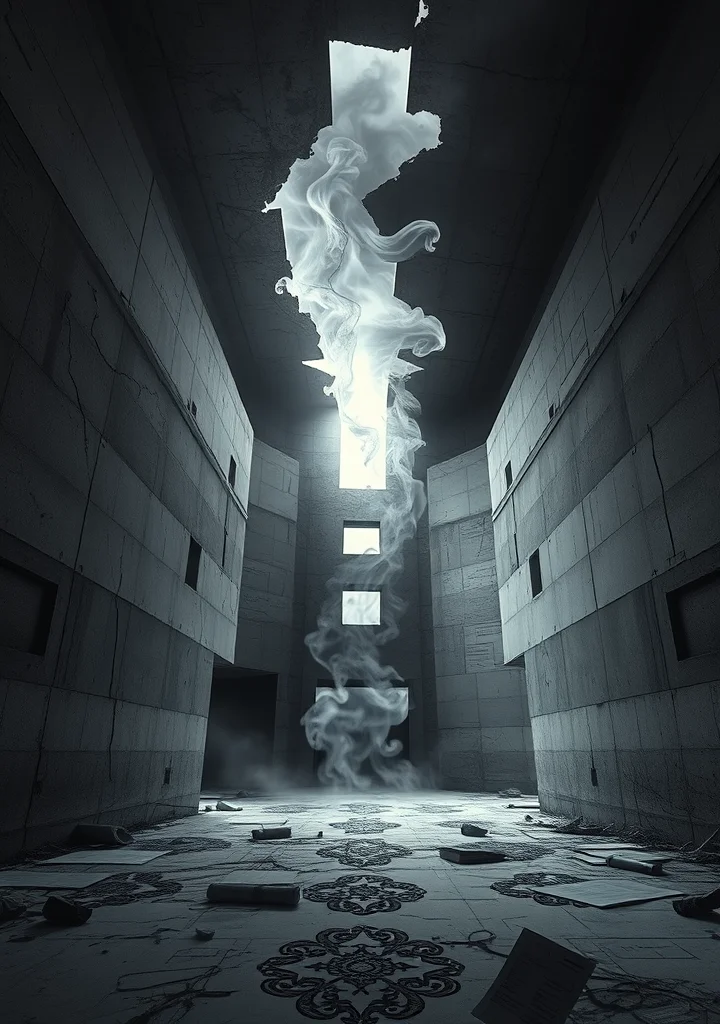
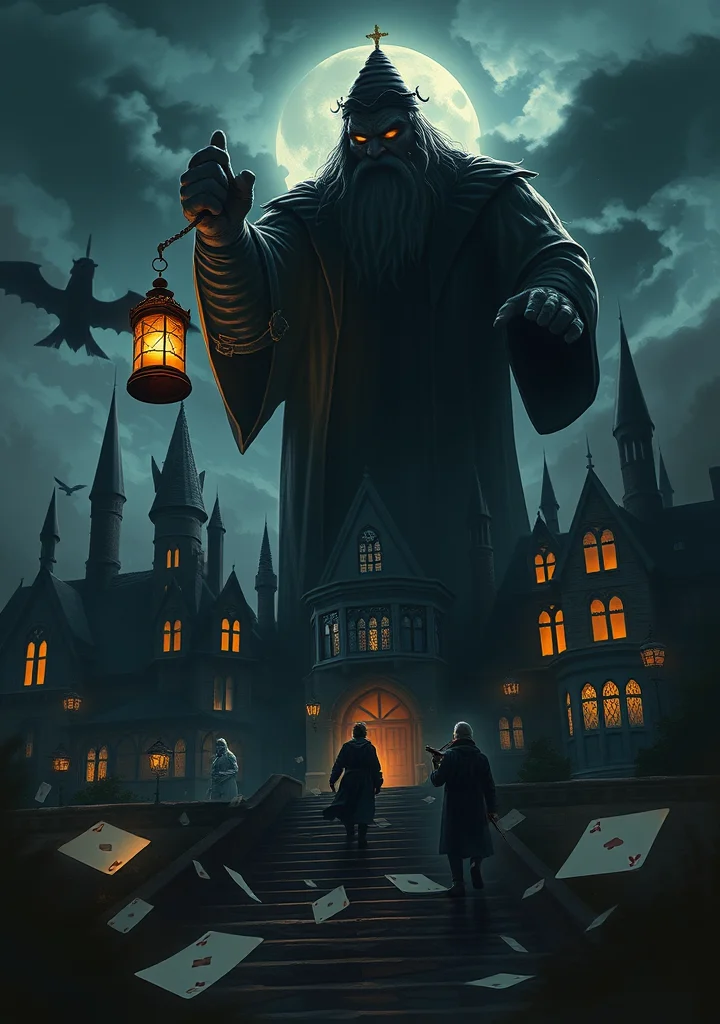
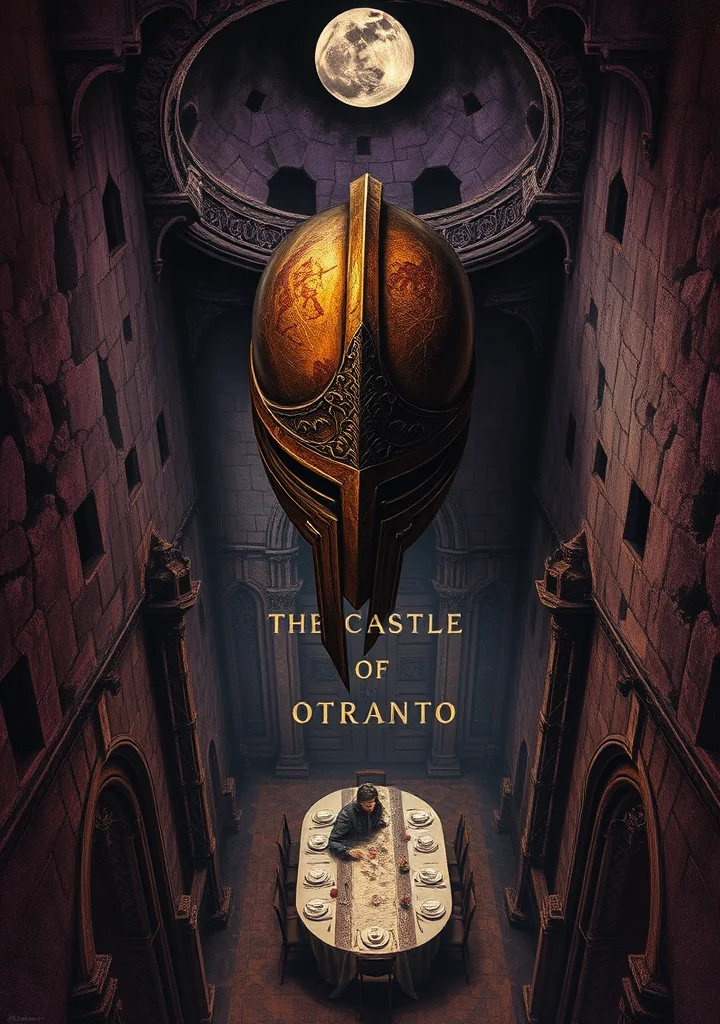
A suffocating dread clings to the stone of Otranto, a castle steeped in ancient prophecy and shadowed by generations of ambition. Within its echoing halls, the weight of a forgotten lineage presses down, manifested in the monstrous size of a helmet descending from unseen heights, crushing a son on his wedding day. The air itself is thick with superstition—portents bleed from decaying tapestries, and the very architecture seems to conspire against the living. A labyrinthine network of secret passages, crumbling vaults, and forgotten chambers breathes with the ghosts of tyrannical ancestors. The narrative unravels amidst flickering candlelight, revealing a lineage cursed by a dark inheritance—a claim to power purchased with blood and sealed by generations of unlawful deeds. The castle is not merely a structure, but a prison woven from despair. Its chambers are haunted by whispers of stolen birthrights, and the scent of decay permeates every stone. A creeping claustrophobia descends as the characters become puppets in a drama dictated by ancient scrolls and the machinations of a relentless, consuming fate. The shadows lengthen with each revelation, revealing a world where the boundaries between the living and the dead blur, and where the foundations of sanity crumble beneath the weight of ancestral sin. The narrative coils tighter, drawing the reader into a suffocating darkness where every breath is shadowed by the promise of violence and the chilling inevitability of the past returning to claim its due.
73 Part
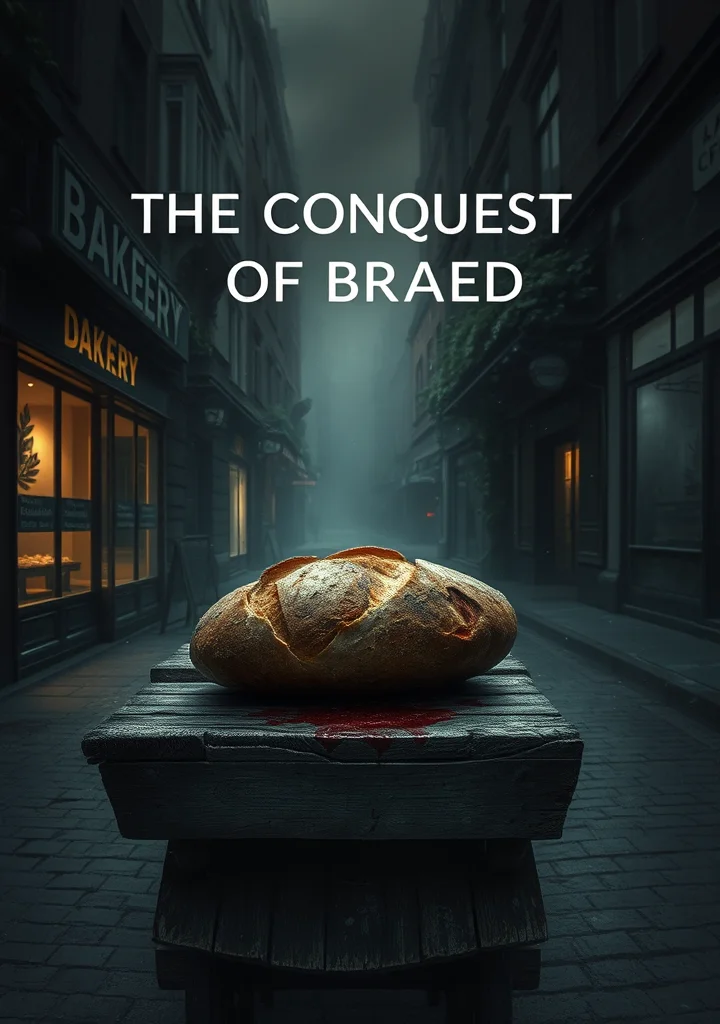
Dust motes dance in the perpetual twilight of abandoned mills and shadowed bakeries. A creeping dread clings to the cobblestones, not of starvation’s gnaw, but of a cold, methodical dismantling of habit. This is not a tale of revolution’s fire, but of its slow, fungal growth within the bones of a dying world. Kropotkin’s vision isn’t one of barricades and blood, but of a silent, relentless erosion of ownership, a reclamation not through violence, but through the ghostly presence of communal need. The narrative exhales a peculiar stillness, like a mausoleum filled with the scent of rising dough and the whispers of forgotten hands. Each chapter unfolds as a spectral blueprint of a possible future, sketched in the dim light of necessity. It’s a world where the boundaries between labour and leisure dissolve into a perpetual, aching grey, where the very act of sharing becomes a haunting ritual. There's a chilling beauty in the prose, a meticulous accounting of resources that feels less like instruction and more like an incantation. The atmosphere is one of damp earth, the metallic tang of tools left to rust, and the unnerving quietude of fields yielding not to a lord, but to the communal breath of those who understand the earth’s yielding is not conquest, but communion. The book doesn’t promise liberation, it presents a slow, unsettling haunting of the old order, a creeping tendril of possibility that leaves one wondering if the ghosts of hunger have finally found their bread.
45 Part
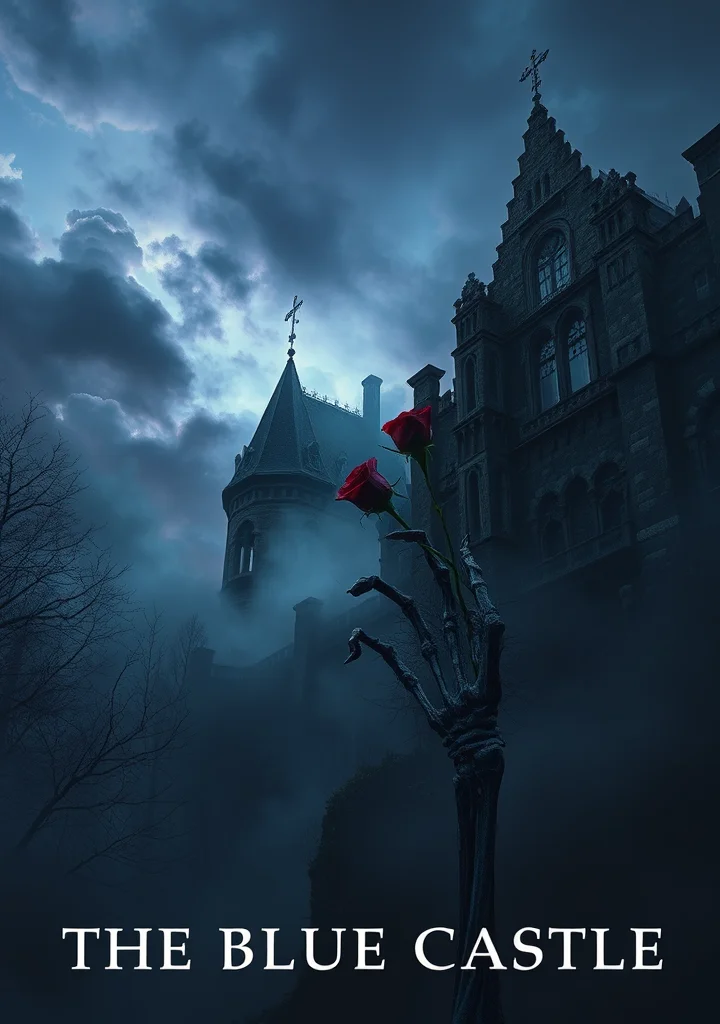
A creeping dampness clings to the shadowed corners of Valley of Blue Castles, where Valerian Barclay, a woman withered by years of stifling duty and whispered scorn, discovers a freedom born of bitter defiance. The narrative exhales a melancholic haze, thick with the scent of decaying roses and the murmur of regret. Old Man Barclay’s estate, a crumbling edifice of ancestral pride, looms like a skeletal hand against perpetually bruised skies. The castle itself is less stone and mortar than a cage of expectations, its blue hue mirroring Valerian's own bruised spirit. A slow unraveling of societal constraints bleeds into a strange, almost feverish awakening as Valerian dares to embrace the eccentricities of her world. The forest surrounding the castle breathes with a secret life, teeming with shadowed paths and whispers of forgotten lore. A haunting stillness pervades the narrative, broken only by the creak of ancient timbers and the rustle of unseen things in the shadowed depths of the woods. The air is thick with the weight of unspoken desires and the chilling possibility of a love that blooms only in the wreckage of shattered reputations. Even as Valerian's heart opens to a fragile hope, the specter of her past – and the castle’s own decaying grandeur – casts a long, unforgiving shadow. The novel is steeped in a sense of lonely grandeur, where the echoes of loss resonate through every darkened hall, and even the most vibrant bloom is tinged with the blue of sorrow.