
Troca de cabelo azul
  • 10
  • 0
  • 3
  • Read 10
  • 0
  • Part 3
Ongoing, First published May 29, 2026

A história se abre para o primeiro dia ansioso de Cleo Thomas em uma escola secundária de Los Angeles, um novo começo complicado pela dor e uma nova cidade. Quase imediatamente, ela se vê envolvida com Billie, uma garota impressionante com cabelo azul que exige a ajuda de Cleo com tarefas matemáticas em troca de um tipo estranho de proteção. Esses capítulos traçam um arranjo tenso alimentado pelo medo e manipulação, desdobrando-se como Cleo navega novas amizades e um acordo precário..
Copyright: All Rights Reserved
No person is allowed to use, redistribute, or modify your work in any form without your explicit permission.
Recommended for you
10 Part
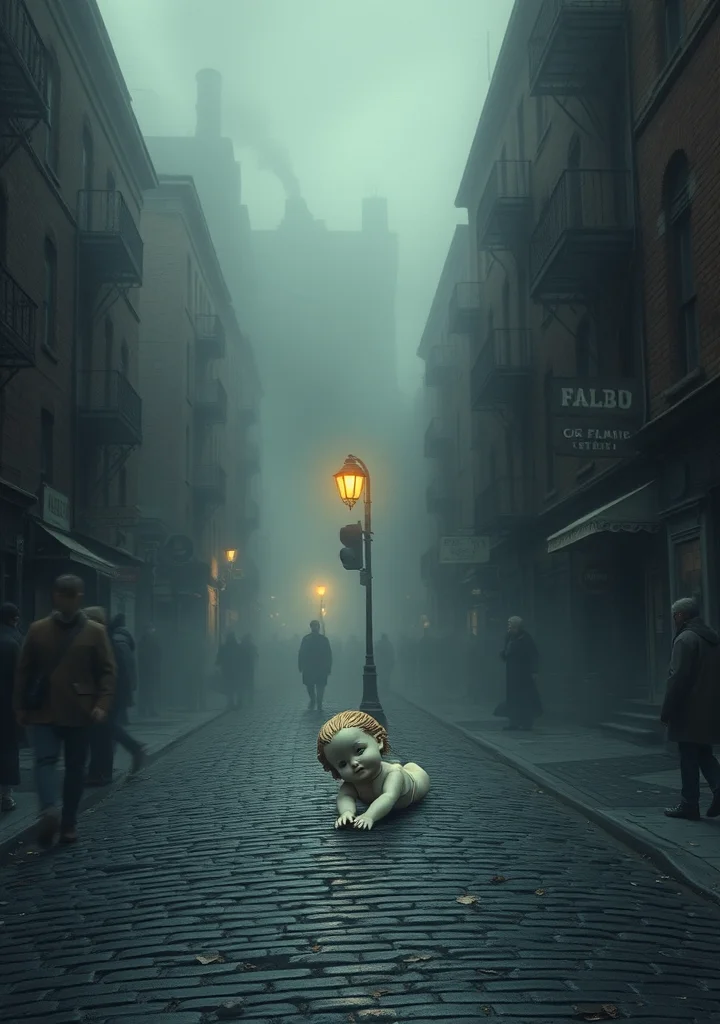
A creeping fog clings to the crumbling tenements of industrial cities, mirroring the stagnation within the minds of their inhabitants. This is not a tale of spectral hauntings, but of a more insidious decay—the erosion of connection, the calcification of habit. Within the labyrinthine streets, shadowed by factory smoke, faces blur, indistinguishable in their compliance. A suffocating sense of isolation permeates each brick edifice, each cobbled lane, a despair born not of malice, but of apathy. The narrative unfolds as a slow, suffocating descent into a world where individual will has been subsumed by the cold logic of the machine. Every transaction, every gesture, is a repetition of the meaningless. The weight of expectation, a leaden shroud, smothers any spark of genuine exchange. Voices, once vibrant with dissent, are reduced to murmurs, swallowed by the echoing chambers of a society built on pretense. A pervasive melancholy settles upon the reader, as they witness the quiet disintegration of shared purpose. The architecture itself seems to mourn, its decaying grandeur reflecting the decay of the civic spirit. A sense of dread permeates the very air—not a sudden, violent horror, but the chilling realization that the rot has taken root, and the edifice of public life is crumbling from within, leaving only hollow shells of expectation and regret. The silence is the loudest terror, a testament to the problem’s insidious, irreversible grip.
36 Part
A creeping chill settles over the brownstone facades of New York, mirroring the slow, insidious decay of innocence within Catherine Sloper. The air hangs heavy with unspoken anxieties, thick with the scent of decaying roses and the hushed judgments of a society obsessed with pedigree. Every shadowed corner of Washington Square seems to breathe with the weight of expectation, a gilded cage designed to stifle the blossoming spirit of a woman deemed plain, practical, and possessed of a fortune too easily coveted. A suffocating inheritance becomes a cage of observation, where every glance, every calculated kindness, is a transaction in the currency of social climbing. The narrative unfolds as a slow, deliberate unraveling—a dance between perception and reality, shadowed by the predatory gaze of a man whose motives are as labyrinthine as the wrought iron gates guarding the square. A haunting sense of isolation permeates the story, clinging to the damp cobblestones and echoing in the cavernous parlors. It is a world rendered in shades of grey—the grey of dust motes dancing in sunbeams, the grey of faded portraits mirroring past failures, the grey of a heart slowly calcifying beneath layers of constraint. The very architecture seems to conspire to trap Catherine within a suffocating cycle of appraisal, and the final, desolate revelation will leave a residue of unspoken grief clinging to the reader long after the final page is turned. It is a portrait of a life lived not within warmth and light, but within the glacial shadow of expectation.