Casa Azul, Lazos Nuevos
  • 7
  • 0
  • 3
  • Read 7
  • 0
  • Part 3
Ongoing, First published May 23, 2026

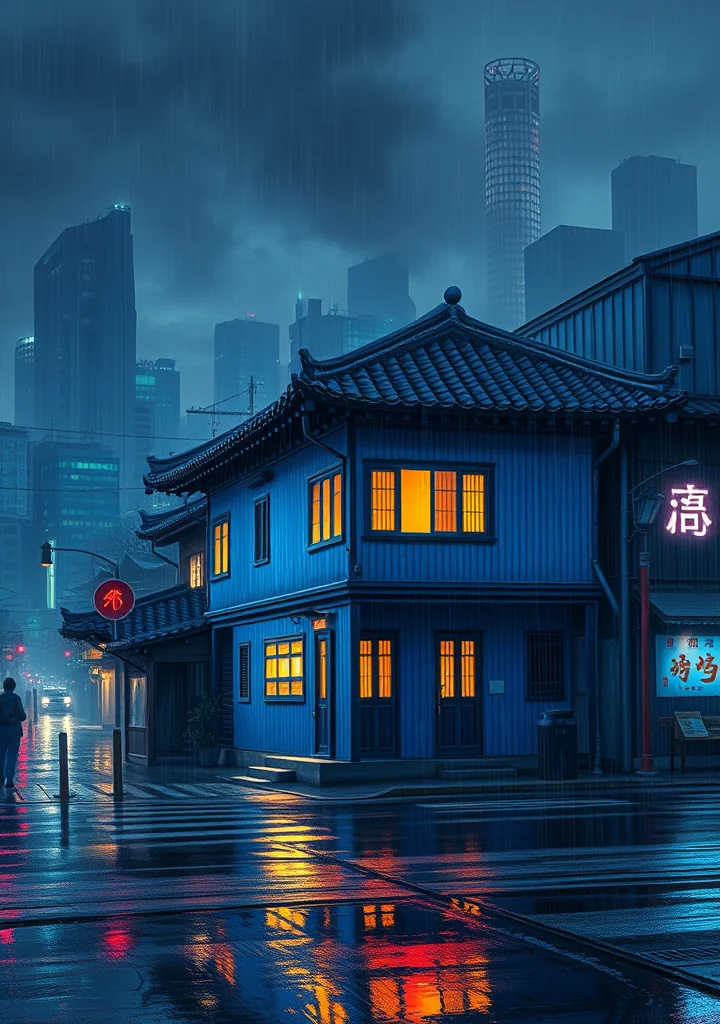
Seúl es un laberinto de vidas entrelazadas. La familia Kim, dueña de un restaurante local, y Jungkook, un CEO de Jeon Group junto a Min Yoongi y Jung Hoseok, se cruzan cuando Jungkook salva a Taehyung de un acto desesperado. Este encuentro inesperado despierta una atracción mutua. La historia se desarrolla en una casa azul, refugio de Taehyung con sus padres y amigos, donde Jungkook se siente atraído por su inocencia y curiosidad. La novela explora la salud mental y la búsqueda de un hogar, de una familia elegida, en medio de la vida moderna.
Copyright: All Rights Reserved
No person is allowed to use, redistribute, or modify your work in any form without your explicit permission.
Recommended for you
35 Part
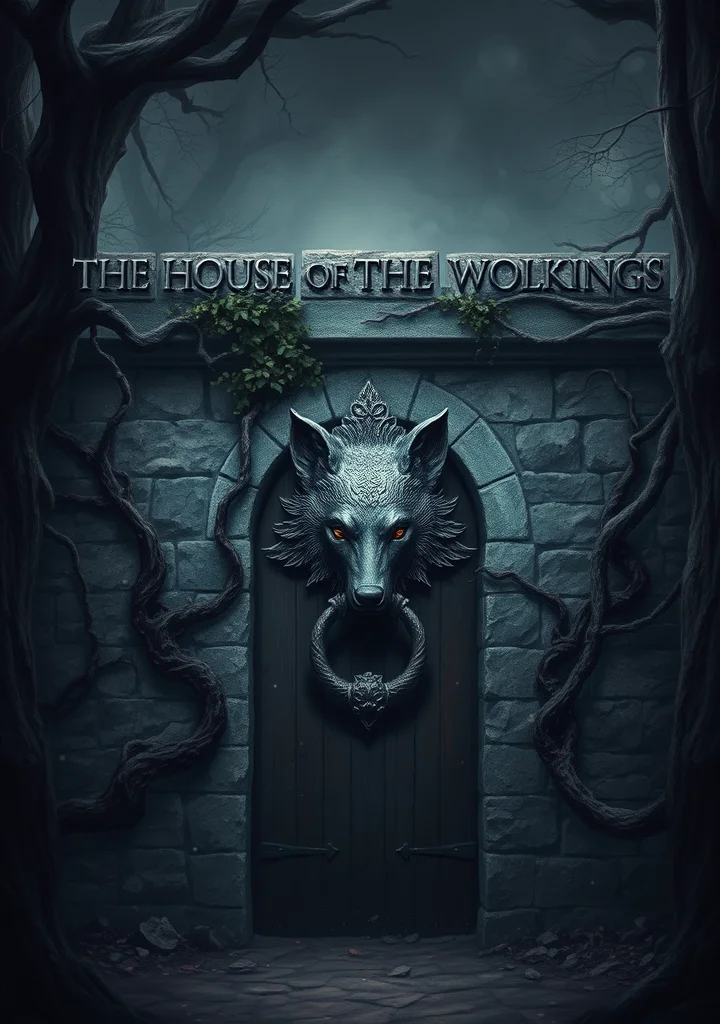
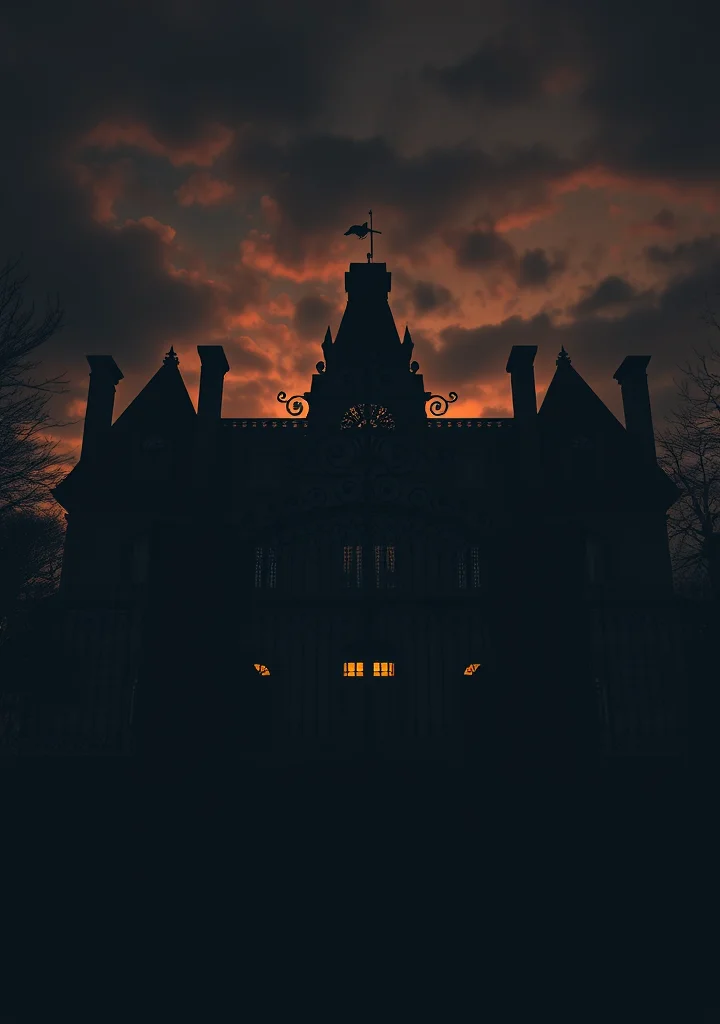
A creeping dread clings to the stone of the Wolfings’ hall, a northern keep haunted by the echoes of a forgotten lineage. Dust motes dance in the perpetual twilight of its shadowed chambers, each a phantom memory of strength and sorrow. The very air tastes of iron and decay, of a glory fading into the encroaching forest. Here, the last of a noble kin, Northmen forged in the crucible of ancient lore, find their heritage besieged not by raiding armies, but by a subtle, insidious rot—a loneliness that breeds despair, a creeping curse woven into the very fabric of the house. Days bleed into nights indistinguishable save for the flickering hearthlight revealing grotesque carvings of wolves and the faces of long-dead ancestors. A sense of isolation, of being watched by something cold and ancient within the walls, permeates every corner. The whispers of the past become tangible—a scent of woodsmoke and blood, a chilling touch on bare skin, a heartbeat echoing in the empty towers. The land itself seems to mourn alongside the Wolfings, the trees clawing at the sky like skeletal hands, the moor stretching out like a grey, undulating sea of forgotten gods. It is a place where the boundaries between the living world and the realm of shadow blur, where the weight of history crushes the spirit, and the heart grows stone within its chest. The house is not merely a structure, but a tomb breathing with the slow, ragged breaths of a dying race, and the wolf, both symbol and specter, waits patiently for its final claim.
41 Part
A creeping dread clings to the shadowed corners of Blackwood Manor, where the decaying legacy of the Festus family festers like a wound refusing to heal. The narrative unfolds not as a story *told*, but as one *breathed* from the very stones of the estate, a suffocating presence woven into the tapestry of perpetual twilight. Each chamber exhumes the scent of mildew and regret, echoing with the phantom footsteps of generations consumed by an insidious, inherited madness. The air hangs thick with the weight of unspoken sins – whispers of alchemical experiments gone awry, of pacts forged with something ancient and hungry beneath the moor. A slow rot permeates the land, mirroring the dissolution of the Festus lineage, each heir more spectral, more fractured than the last. The novel doesn’t merely depict horror; it *becomes* it – a labyrinth of suffocating hallways, choked gardens, and the unsettling stillness of portraits whose eyes follow you with a chilling, predatory intelligence. Expect a descent into a suffocating claustrophobia of the mind, where the boundaries between dream and nightmare dissolve into a single, suffocating darkness. The landscape itself is a character, a brooding, desolate expanse that feeds on the sanity of those who dare to linger within its grasp. It is a place where the past doesn’t haunt you, it *becomes* you, molding flesh and bone to the shape of Blackwood’s unending sorrow. The narrative unfolds with the slow, deliberate cadence of a coffin being lowered into the earth, each chapter a layer of dust settling upon a forgotten grave.
10 Part
A creeping twilight descends upon young Emil Sinclair as he’s drawn into the magnetic orbit of Max Demian, a figure both beautiful and terrifyingly unbound. Hesse’s narrative isn’t merely a coming-of-age, but a descent into shadowed chambers of the self, where inherited morality fractures against the raw stone of instinct. The air thickens with the scent of incense and forbidden knowledge as Sinclair’s world fractures – the rigid structure of his upbringing, the suffocating piety of his mother, all crumble beneath Demian’s gaze. Every encounter is layered with a premonition of doom, a cold wind whistling through the hollows of Sinclair’s nascent soul. The novel breathes with the claustrophobia of a gilded cage, the oppressive weight of societal expectations pressing down like lead. Dreams twist into grotesque allegories, mirroring Sinclair’s inner turmoil with unsettling clarity. Ancient symbols, unearthed from the loam of forgotten myths, become obsessions, fueling a desperate quest for liberation. The narrative is haunted by the specter of a fractured duality, a constant blurring of light and shadow, innocence and corruption. Sinclair’s journey isn’t towards enlightenment, but towards a harrowing reckoning with the darkness within—a darkness that threatens to consume him entirely as he spirals towards the inevitable, brutal severing of ties with the world he once knew. The final revelation is less a triumph, more a chilling echo in the vast, empty cathedral of his own becoming.