
Chatroom Chaos
  • 68
  • 0
  • 11
  • Read 68
  • 0
  • Part 11
Completed, First published Jun 26, 2026

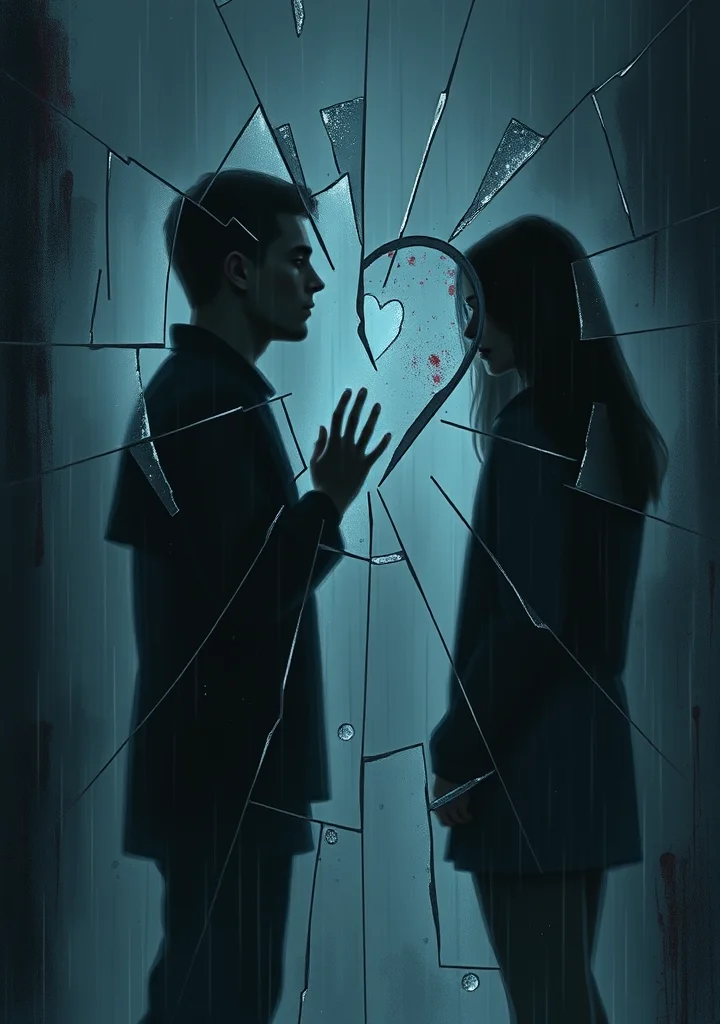
The narrative plunges into the frenetic world of online chatrooms, where a tangled web of identities and affections quickly unravels. These chapters follow a group of users – including characters known as Nagi, Y/n, Bachira, and Isagi – as they navigate confusion, escalating arguments, and obsessive social media stalking. The story unfolds through rapid-fire exchanges filled with slang and emotional outbursts, revealing a chaotic dynamic fueled by flirtation, rivalry, and the ever-present desire to uncover each other’s secrets. As users grapple with online safety and personal preferences, the conversation devolves into a whirlwind of accusations and immature banter.
Copyright: All Rights Reserved
No person is allowed to use, redistribute, or modify your work in any form without your explicit permission.
Recommended for you
48 Part
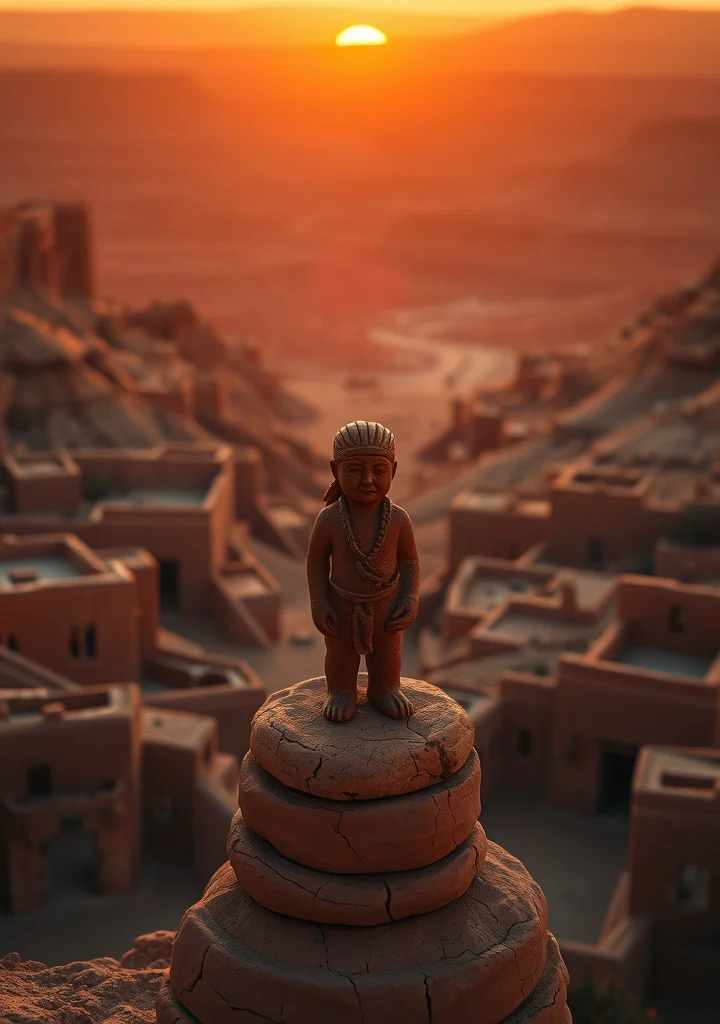
Dust-choked canyons whisper with the ghosts of sun-scorched prayers. Within the crumbling adobe walls, the air hangs thick with the scent of piñon smoke and something older – the weight of stories carved into bone and stone. These are not tales told around hearthfires, but echoes dragged from the mouths of the dead, carried on the rasping breath of the desert wind. Cushing doesn’t offer simple myth; he peels back the layers of Zuni belief, revealing a labyrinth of shadowed kivas and star-haunted mesas. The sun bleeds crimson onto the mesas as Coyote’s trickery unravels the boundaries between worlds. Each story feels less like a recounting and more like an excavation—a digging into the earth to unearth a cold, pulsing heart of ancestral memory. The narrative is fractured, possessed by the spirit of the storyteller, a man lost in the labyrinth of the Zuni world. The beauty is brittle, laced with the desperation of a people clinging to their past as the white man’s shadow lengthens. It’s a haunting, a slow rot of tradition, observed with a scholar's detachment and yet steeped in an unnerving intimacy with the spirits of the place. The reader is not simply told of the Zuni world—they are *held* within it, gasping for air in the suffocating darkness of the kivas, and witnessing the dance of the dead under a moon of bleached bone. This is not folklore, but a descent into a ritualistic dreamscape where the line between the living and the vanished dissolves into sand.