
Secretos de Chatterbox
  • 13
  • 0
  • 4
  • Read 13
  • 0
  • Part 4
Ongoing, First published May 23, 2026

La novela sigue los primeros días de un sitio web llamado Chatterbox, concebido como un espacio para la conexión anónima y la narración de historias. Los capítulos iniciales revelan la visión esperanzadora, aunque cohibida, del autor para la plataforma, inspirada por un deseo de conexión. A medida que Chatterbox toma forma, la narrativa traza una conversación entre dos usuarios, LiLAHANNE y hrryotel, revelando su confusión inicial sobre el propósito de la aplicación..
Copyright: All Rights Reserved
No person is allowed to use, redistribute, or modify your work in any form without your explicit permission.
Recommended for you

40 Part
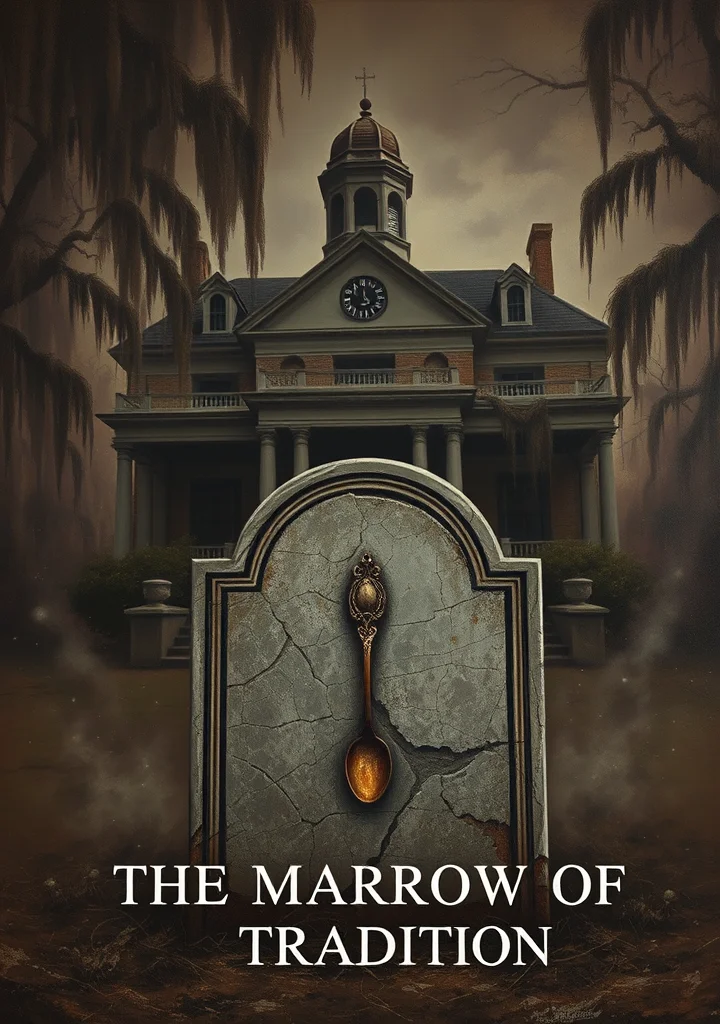
Dust motes dance in the stagnant air of Welch Hall, clinging to the decay like Spanish moss to cypress. The scent of rot and resentment hangs heavy, thicker than the humid Carolina night. A lineage steeped in privilege, brittle with pride, fractures under the weight of a secret – a truth buried in the graveyard beyond the fields, where the bones of the disenfranchised whisper against the stones. This is a story not of ghosts, but of *presences* – the suffocating weight of a past that refuses to stay buried, leaching into the present. The narrative coils tight as a noose around the neck of a dying aristocracy, each chapter a slow unraveling of composure and the cold, calculating logic of vengeance. Shadows stretch long from the grand columns, obscuring the faces of those who claim ownership of the land, while whispers of rebellion stir in the cabins beyond the manicured lawns. It’s a darkness born not of the supernatural, but of the human heart, festering in the humid heat. The air itself feels complicit, a suffocating blanket woven with the silken threads of deception and the coarse fibers of simmering rage. Every rustle of leaves, every crack of a floorboard, echoes with the unspoken accusations of generations. The narrative doesn't simply unfold; it *bleeds* into the landscape, staining the very soil with the crimson residue of injustice. A suffocating dread permeates every sun-drenched porch and darkened hallway, promising a reckoning steeped in the marrow of tradition itself.
110 Part
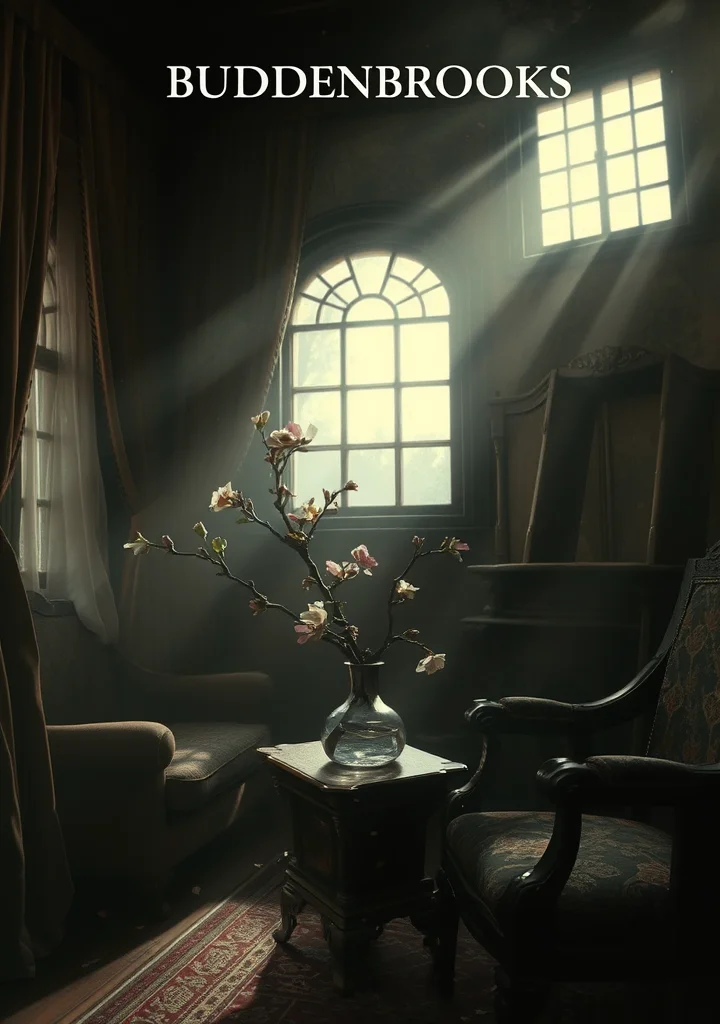
A creeping fog of decline settles over Lübeck, mirroring the slow, inexorable decay of the Buddenbrook family. Within the opulent, shadowed confines of their merchant house, generations unravel, bound by tradition yet suffocated by its weight. A chill permeates the ornate rooms, not of winter, but of a creeping malaise—a spiritual exhaustion that clings to velvet curtains and polished mahogany. The scent of almonds and decay hangs heavy in the air, a subtle poison seeping into the veins of each heir. Each chapter unfolds like a funeral procession, hushed and dignified, yet laced with a subtle, suffocating dread. The city itself becomes a character—its canals reflecting the family's fading fortunes, its cobbled streets echoing with the ghosts of ambition and lost vitality. A profound loneliness permeates the narrative, a sense of being entombed alive within a legacy of prosperity. The narrative is not one of dramatic catastrophe, but of a quiet unraveling, a slow erosion of will masked by polite society’s rigid formality. The characters move through their lives as though in a dream, haunted by the specter of what once was—their faces pale and drawn, their voices laced with a melancholy that clings like the damp sea air. The weight of expectation, the burden of inheritance, become visible as a spectral presence in every room, a chilling reminder of the inevitability of dissolution. The novel breathes with the scent of dust, of old money, of secrets whispered in darkened hallways, and the slow, agonizing realization that even the most solid foundations can crumble into nothingness.
61 Part
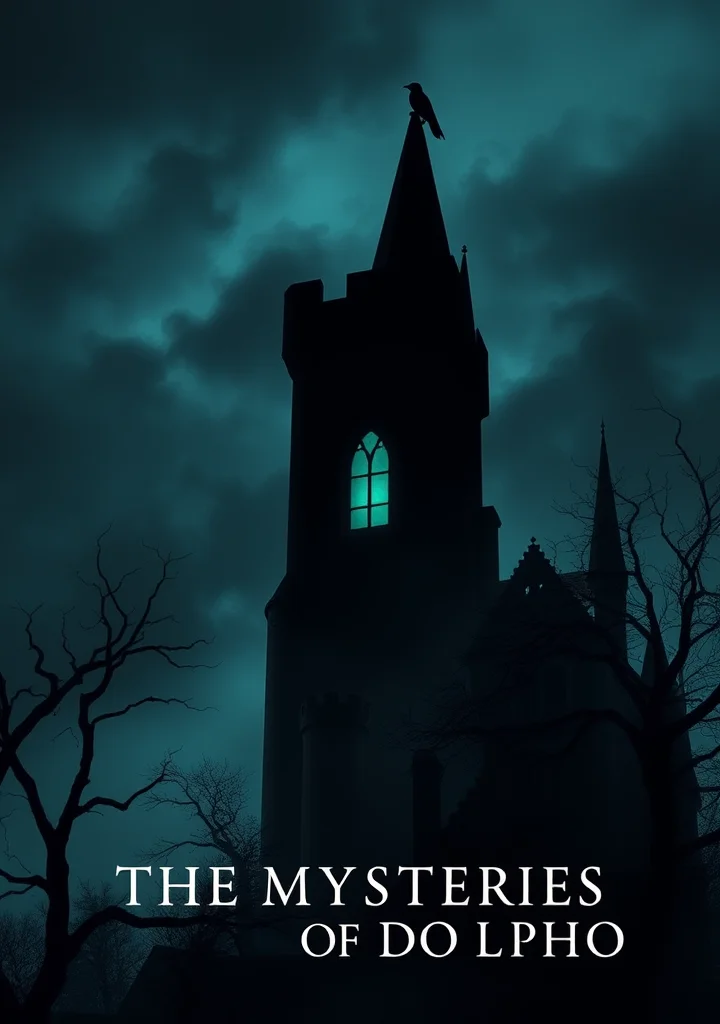
A perpetual twilight clings to the shadowed halls of Udolpho, where innocence is tested by the suffocating weight of ancestral secrets. The narrative unfolds within a labyrinth of crumbling castles and sunless forests, mirroring the fractured psyche of its heroine, Emily St. Aubert. Every echoing corridor whispers of past betrayals, every darkened chamber breathes with the icy presence of unspoken fears. A suffocating dread permeates the Italian landscape, born not of overt horror, but of insidious suspicion and the slow unraveling of sanity. The oppressive grandeur of Udolpho itself becomes a character, its vastness mirroring the boundless anxieties that consume Emily. The air is thick with the scent of decaying grandeur, and the story unfolds with the deliberate pace of a nightmare, punctuated by stolen glances, intercepted letters, and the chilling resonance of distant screams. It is a world where the boundaries between reality and hallucination blur, where the imagination, fueled by isolation and paranoia, conjures terrors far more potent than any visible threat. A creeping sense of helplessness pervades as Emily is drawn deeper into a web of familial intrigue, shadowed by the looming specter of a tyrannical uncle and the veiled machinations of those who would claim her inheritance. The narrative is steeped in a melancholic beauty, a haunting symphony of vulnerability and veiled menace, forever lingering in the half-light between revelation and despair.