Daughters and Old Clothes
  • 48
  • 0
  • 11
  • Read 48
  • 0
  • Part 11
Completed, First published Jun 26, 2026

This novel follows Lauren as she navigates the complexities of motherhood and a demanding career, while also revisiting the emotional landscape of past relationships. The early chapters depict an intimate connection with Camila, and the challenges of balancing family life with professional commitments. As Lauren reconnects with former bandmates, tensions surface over past accusations and lingering feelings. Woven through these interactions are tender moments – daughters playing with old baby clothes, and the everyday bustle of managing attention from fans. These chapters offer a glimpse into the delicate balance between personal history and present-day responsibilities.
Copyright: All Rights Reserved
No person is allowed to use, redistribute, or modify your work in any form without your explicit permission.
Recommended for you
70 Part
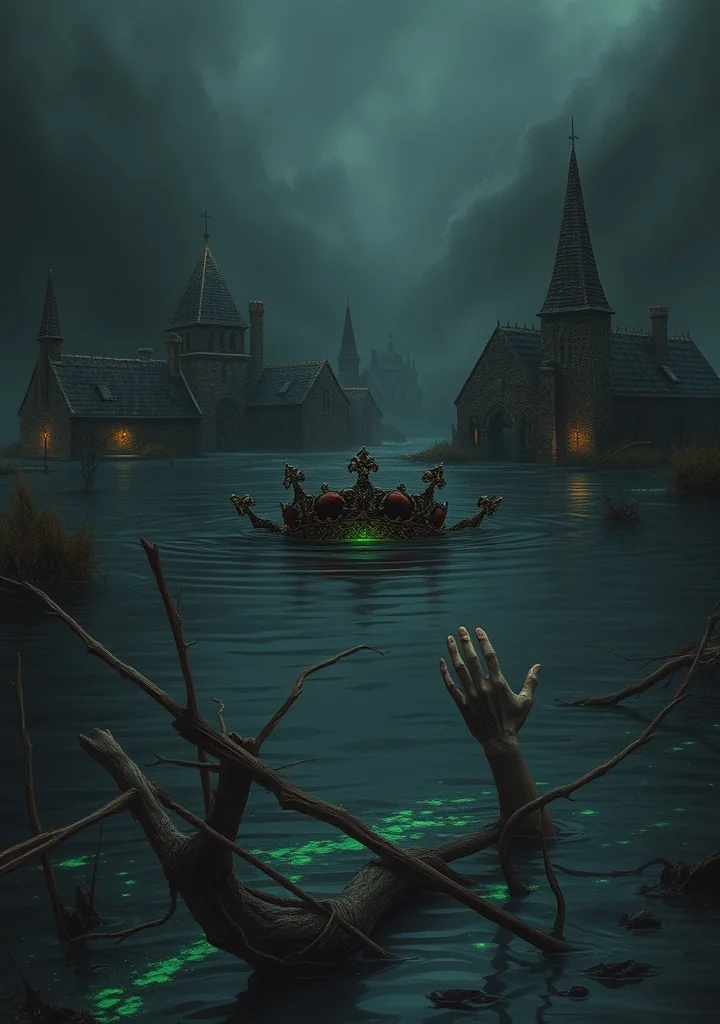
A creeping dread settles over the marshlands of Anglia, mirroring the slow rot within the bones of its last kings. Morris weaves a tale not of glorious battle, but of a world drowning—not in water alone, but in the melancholic decay of forgotten gods and the venomous whispers of those who would usurp them. The narrative clings to the peat bogs like a clinging mist, smelling of salt and brine, of drowned things and the iron tang of blood. Villages vanish beneath encroaching tides, their stone foundations swallowed by the relentless grey, while within crumbling halls, the remnants of a fractured kingdom barter with shadow-things for survival. Each chapter feels like a descent into a waterlogged grave, the prose thick with the weight of loss and the insidious bloom of fungal blooms on rotting timbers. The sun, when it dares to appear, casts no warmth, only long, skeletal shadows stretching across the drowned fields. A sense of inevitable collapse permeates every line; not a heroic struggle against fate, but a mournful acceptance of its glacial, crushing embrace. The flood isn’t merely a rising water level, but a fracturing of the world itself, revealing the skeletal truths of a land consumed by its own melancholic past. The voices that linger are not those of the living, but the drowned echoes of kings, lovers, and children, murmuring from beneath the surface, beckoning the reader to join them in the cold, suffocating embrace of the sundering flood.
30 Part
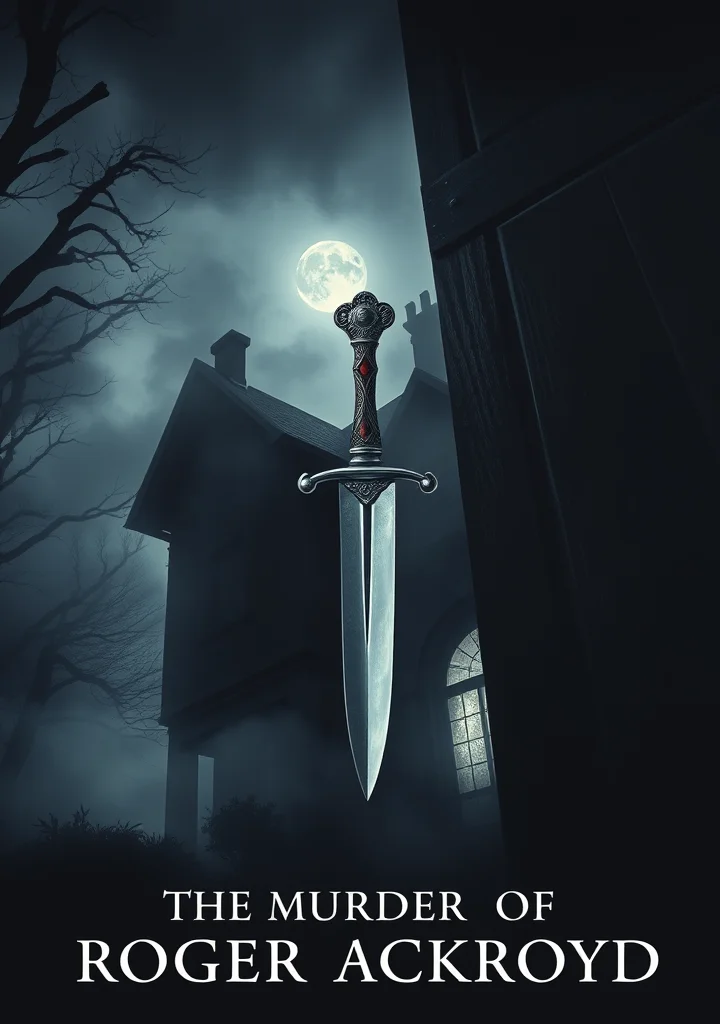
A creeping fog clings to the village of King’s Abbots, mirroring the suffocating secrets held within its shadowed lanes. The late Roger Ackroyd, a man of standing, lies dispatched with a silver dagger in his study – a room thick with the scent of old money and unspoken dread. But the true horror isn’t the act itself, but the confession whispered to a bewildered Dr. Sheppard, a man now bound by a pact of silence, a complicity that chills him to the bone. The house itself breathes with a stifled history, each antique object a witness to the decaying morality of its inhabitants. Whispers follow Sheppard through the darkened hallways, hints of illicit affairs, concealed debts, and the simmering resentments of a household poised on the brink of collapse. Every face observed through the leaded windows is a mask concealing a hidden motive. The investigation is a descent into a labyrinth of deception, where the truth is buried beneath layers of polite society and the weight of unconfessed sins. A sense of decay permeates every interaction, a sense that the very foundations of this idyllic village are riddled with rot. The reader is drawn into the suffocating grip of a narrative where every conversation feels like a carefully constructed lie, and the final revelation will leave a lingering chill long after the last page is turned. The darkness doesn’t come from the crime, but from the monstrous humanity that orchestrated it.