
Forest Mercy (en inglés)
  • 14
  • 0
  • 4
  • Read 14
  • 0
  • Part 4
Ongoing, First published May 24, 2026

Impulsada por el abuso, la narrativa sigue a un personaje que huye a un bosque prohibido, donde los encuentros con lo extraño se intensifican rápidamente. Los capítulos iniciales detallan una aterradora confrontación con una criatura que cambia entre lobo y hombre, exigiendo respuestas al propósito del personaje. Más tarde, una búsqueda desesperada de una reliquia perdida conduce a una misericordia inesperada: un hombre lobo atrapado que ofrece ayuda a cambio de desafío..
Copyright: All Rights Reserved
No person is allowed to use, redistribute, or modify your work in any form without your explicit permission.
Recommended for you

6 Part
Dust motes dance in the gaslight of provincial theaters, clinging to the velvet drapes and the tarnished gilt of crumbling grandeur. A fever dream of ambition, *Lost Illusions* unfolds in a Paris steeped in shadow, where the scent of stale perfume mingles with the bitterness of thwarted dreams. The novel breathes with the stifled sighs of Lucien de Rubempré, a provincial editor cast adrift in a sea of cynical brilliance. Every cobbled street echoes with whispered betrayals, every drawing room glitters with the venom of social climbing. The air thickens with the rot of compromised ideals; a suffocating perfume of decaying morality. It’s a city of mirrors, reflecting not truth but the grotesque distortions of power. The narrative clings to you like a damp shroud, revealing a world where talent is bartered for influence, and innocence is devoured by the ravenous maw of the press. The characters move through perpetual twilight, haunted by the ghosts of their own making. Each revelation is a splinter of ice in the heart, each success a further descent into a labyrinth of disillusionment. The prose itself feels aged, brittle as parchment, stained with the ink of regret. It is a slow, insidious unraveling, a descent into the suffocating darkness where hope is extinguished, and only the hollow echoes of ambition remain. The final pages leave a residue of ash and despair, a chilling testament to the price of vanity and the corrosive nature of ambition.
71 Part
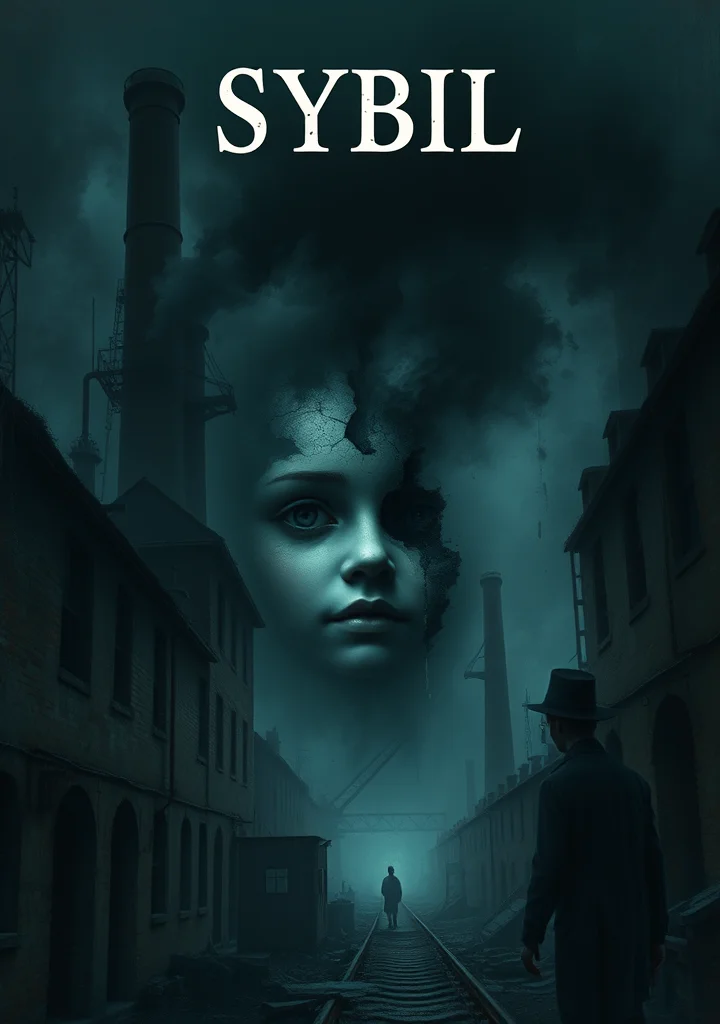
A creeping dread clings to the shadowed corners of Sybil, a novel steeped in the miasma of industrial England’s decay. The narrative exhales a perpetual twilight, where soot-stained brick and crumbling mills mirror the fractured souls within. Disraeli doesn't offer mere poverty, but a spectral haunting of ambition, of a nation consuming itself. Sybil, the eponymous ward, drifts through a landscape of feverish unrest – a phantom flitting between the opulent indifference of the aristocracy and the ravenous hunger of the working class. The story unfolds not as a progression, but as an erosion. Each encounter, each act of charity or cruelty, feels carved from the same granite despair. A suffocating claustrophobia pervades, born not of physical confinement, but of the relentless, grinding monotony of lives lived in the shadow of the furnace. The language itself is a pallid imitation of grandeur, echoing with the hollowness of privilege. Expect not soaring romance, but the slow, agonizing unraveling of hope. The novel breathes with the chill of damp stone, the metallic tang of blood and coal dust. It’s a world where every smile is a brittle facade, every kindness laced with the bitter knowledge of its futility. A darkness, not of supernatural design, but of systemic fracture—a creeping rot that consumes the heart of England itself. The air thickens with the weight of unfulfilled promises, and the shadows lengthen with each passing, suffocating hour.