
-
Read 515
-
0
-
Part 39
Completed, First published Mar 02, 2026
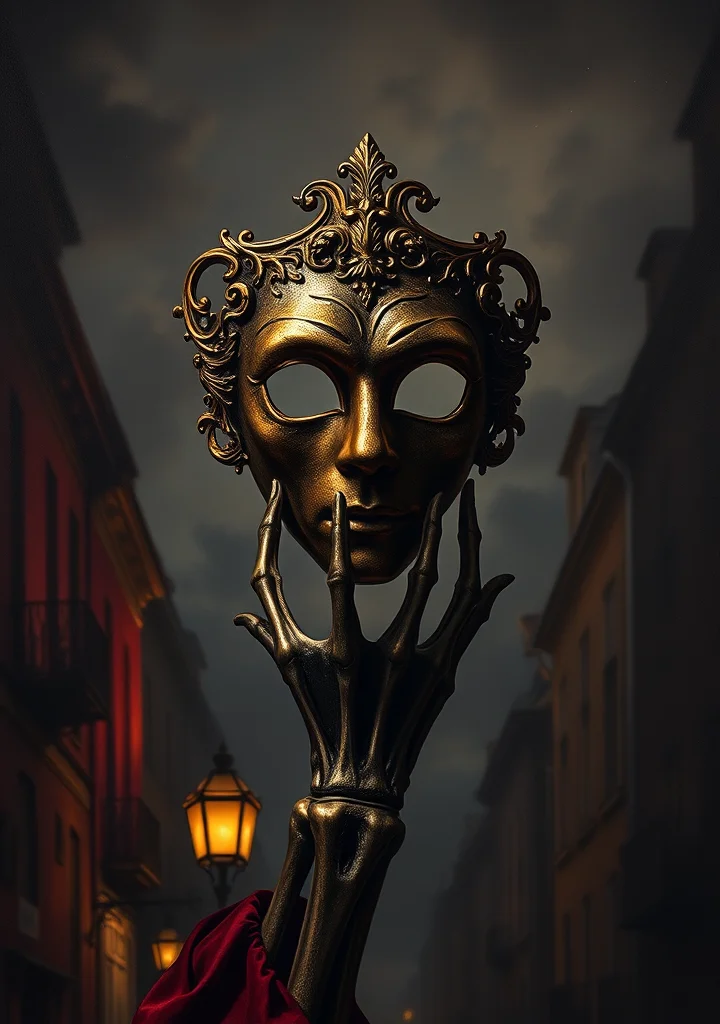
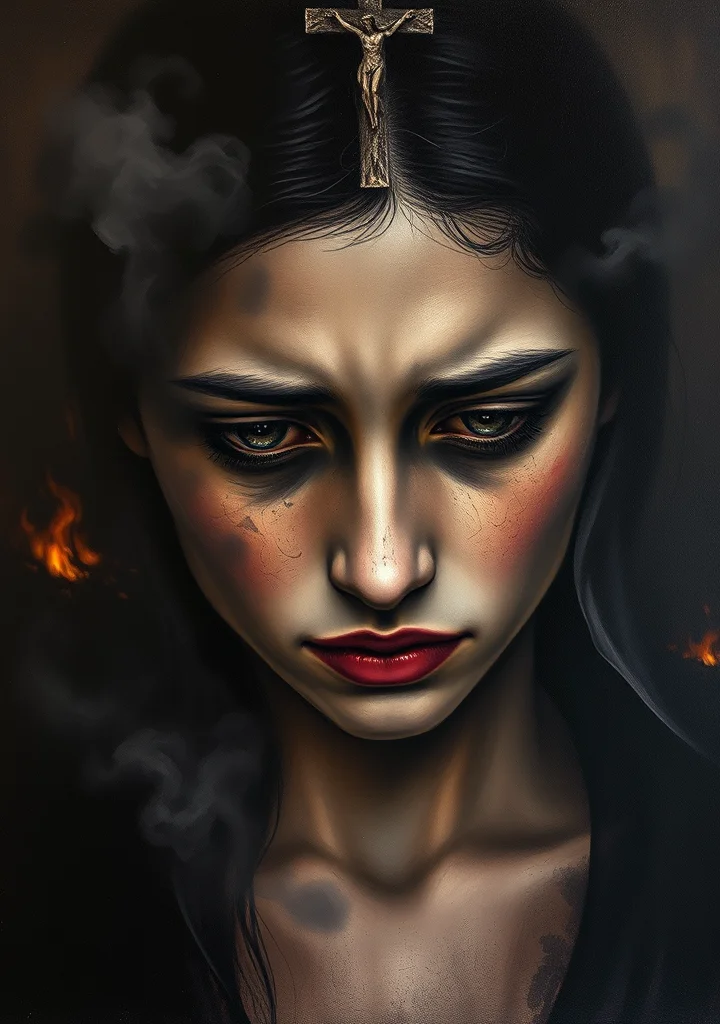
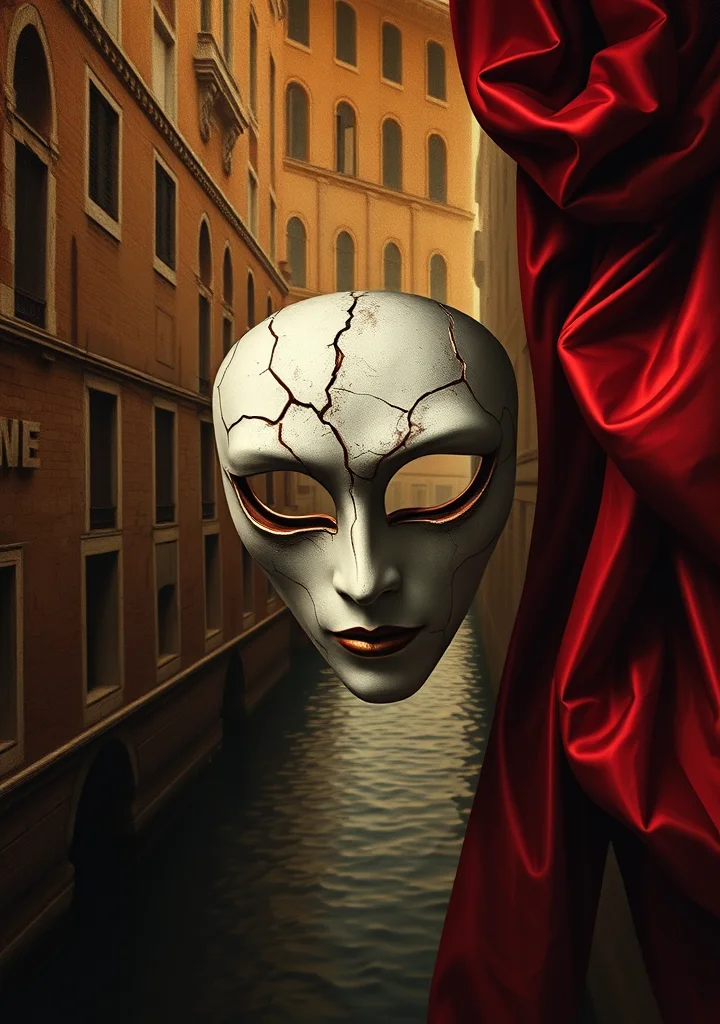
Venice bleeds into shadow, a labyrinth of canals mirroring the fractured soul of Silvio Scaramouche. He is born of a noble’s illicit tryst, marked by a birthmark mirroring the harlequin’s mask—a brand of shame and defiance in a city built on secrets. Sabatini weaves a tale not of swashbuckling glory, but of a man haunted by his origins, forever dancing on the precipice of exposure. The Palazzo’s gilded cages hold not just courtesans, but suffocating ambitions. Every masked ball, every whispered conspiracy, feels weighted with the scent of decay and the chill of betrayal. Scaramouche’s agility isn’t mere bravado; it’s the desperate grace of a creature fleeing its own shadow. His love for the fiery, defiant Nerina is a desperate bloom in a garden of thorns, shadowed by the machinations of a vengeful Cardinal and the ever-present threat of his true parentage being revealed. The story unfolds under a perpetual twilight, a Venice drowning in its own opulence and vice, where every act of courage is stained with the crimson of desperation and the scent of jasmine clings to the scent of blood. The air vibrates with the tension of a blade held too close, the echo of whispered promises, and the chilling realization that even the most dazzling performance can end in a fatal fall.
Copyright: Public Domain
This license allows anyone to use your story for any purpose, including printing, selling, or adapting it into a film freely.
This license allows anyone to use your story for any purpose, including printing, selling, or adapting it into a film freely.
Chapter List
-
« Scaramouche »📖 Continue Reading
-
« I »
-
« II »
-
« III »
-
« IV »
-
« V »
-
« VI »
-
« VII »
-
« VIII »
-
« IX »
-
« I »
-
« II »
-
« III »
-
« IV »
-
« V »
-
« VI »
-
« VII »
-
« VIII »
-
« IX »
-
« X »
-
« XI »
-
« I »
-
« II »
-
« III »
-
« IV »
-
« V »
-
« VI »
-
« VII »
-
« VIII »
-
« IX »
-
« X »
-
« XI »
-
« XII »
-
« XIII »
-
« XIV »
-
« XV »
-
« XVI »
-
« XVII »
-
« XVIII »
More like this