
Glass and Shadows
  • 33
  • 0
  • 6
  • Read 33
  • 0
  • Part 6
Completed, First published May 18, 2026

The story opens onto a chilling discovery: within a hidden HYDRA base, Avengers stumble upon a woman frozen in crystalline frost—a sister to Bucky Barnes, lost for seventy years. As Y/n is brought back to the facility, unsettling questions arise about her prolonged stasis and the brutal experiments HYDRA inflicted upon her. Now in a coma, her altered physiology and violent awakening raise fears of lingering HYDRA influence. The Avengers grapple with how to help her heal, while desperately trying to understand the secrets hidden within her altered DNA and the trauma she endured.
Copyright: All Rights Reserved
No person is allowed to use, redistribute, or modify your work in any form without your explicit permission.
Recommended for you
32 Part
A creeping mist clings to the shadowed valley of Blithedale, a haven built on the fractured dreams of reformers and the hollow promises of a new Eden. Within its decaying grandeur, a subtle rot permeates not just the timber and stone, but the very souls of those who seek refuge there. The air hangs thick with unspoken desires, simmering resentments, and the stifled cries of past failures. A young surveyor, drawn into the web of this communal experiment, finds himself caught between the magnetic fervor of a visionary founder and the haunting beauty of a woman haunted by a grief that seems to bleed into the landscape itself. Every shadowed corner breathes with the weight of unfulfilled longing, while the sun-drenched fields conceal a darkness born of obsession. The narrative unravels not as a tale of progress, but as a slow exposure of the decay beneath the surface—a crumbling edifice of idealism haunted by the specters of unacknowledged desires. The scent of dying flowers, the rustle of unseen presences in the overgrown gardens, and the chilling silence of moonlit nights weave a tapestry of melancholy, revealing a world where the pursuit of perfection breeds only despair, and the heart, once aflame with conviction, is left to wither in the cold embrace of disillusionment. It is a place where the boundaries between reality and illusion blur, where the past refuses to remain buried, and where the seeds of ruin are sown within the very soil of hope.
13 Part
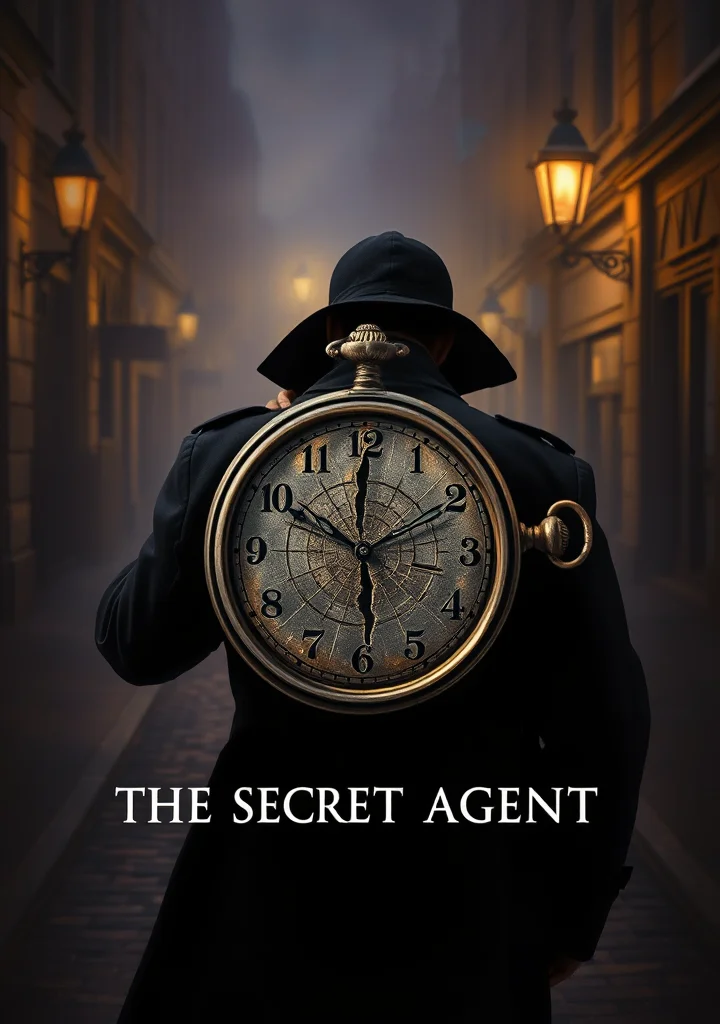
A creeping fog of moral decay clings to the damp cobblestones of 19th-century Europe, mirroring the rot within Winston Churchill’s protagonist, Marlow. Not a tale of daring exploits, but of insidious compromise, of a man hollowed by the weight of a nation’s secrets. The narrative coils like a serpent in the dim parlors of London and the shadowed cafes of Geneva, each whispered confidence a tightening noose. Marlow isn’t merely tasked with espionage; he’s consumed by it, his very identity dissolving into the guise of another’s ambition. The true horror isn’t the plot itself, but the glacial erosion of the soul. Conrad doesn’t offer spectacle, but a suffocating claustrophobia born of suspicion, the constant awareness of being observed, of being a puppet strung along threads of power. Every encounter is veiled in politeness, yet vibrates with a cold, predatory intent. The prose itself is a deliberate, slow burn, mirroring the deliberate pace of the agent’s infiltration. Expect not grand chases or explosive reveals, but the insidious bloom of disillusionment. The novel’s true darkness isn’t found in what is done, but in the casual, almost clinical acceptance of its necessity. It’s a descent into a world where honour is a currency debased by necessity, and where the very act of witnessing leaves its mark like a brand upon the heart. The air hangs heavy with the scent of stale tobacco and unspoken bargains, a chilling premonition of the century's coming shadows.