Hidden Intentions
  • 44
  • 0
  • 8
  • Read 44
  • 0
  • Part 8
Completed, First published Jun 26, 2026

The narrative traces NuNew’s rising career as he accepts a role in a new series alongside Matthew, a prospect that stirs both excitement and uncertainty. While supportive, Zee grapples with jealousy as NuNew’s commitments grow, leading to strained communication and hidden intentions. These chapters reveal a complex dynamic between the two, marked by affectionate reassurances alongside frustration and possessive behavior. As NuNew navigates professional demands, the story explores the delicate balance of ambition and affection, hinting at tensions simmering beneath the surface of their relationship.
Copyright: All Rights Reserved
No person is allowed to use, redistribute, or modify your work in any form without your explicit permission.
Recommended for you

10 Part
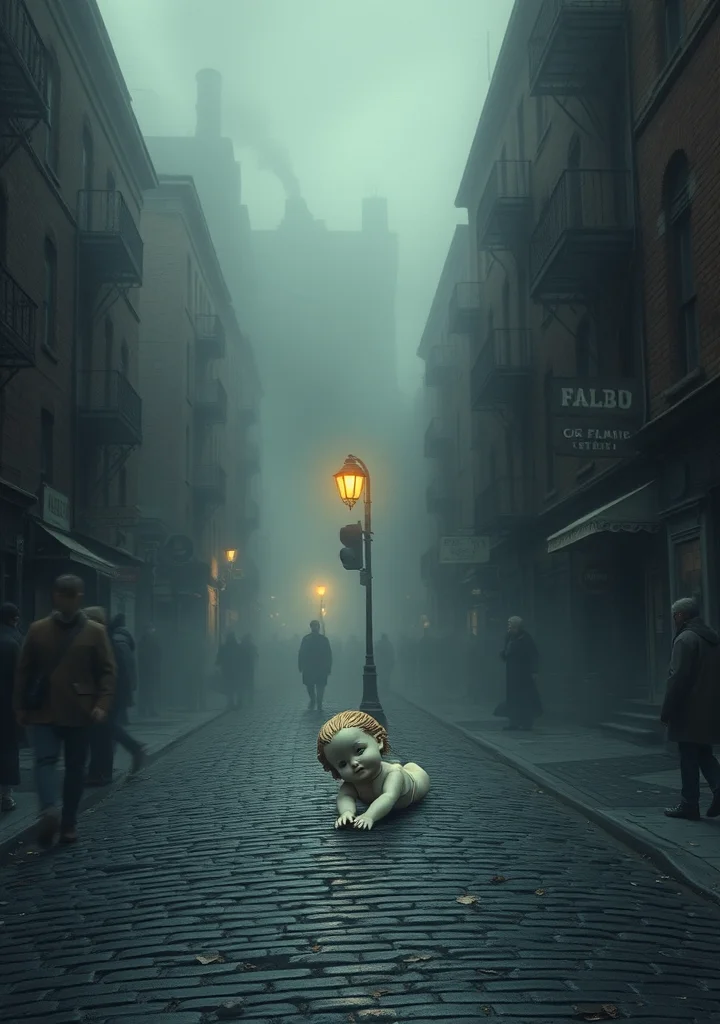
A creeping fog clings to the crumbling tenements of industrial cities, mirroring the stagnation within the minds of their inhabitants. This is not a tale of spectral hauntings, but of a more insidious decay—the erosion of connection, the calcification of habit. Within the labyrinthine streets, shadowed by factory smoke, faces blur, indistinguishable in their compliance. A suffocating sense of isolation permeates each brick edifice, each cobbled lane, a despair born not of malice, but of apathy. The narrative unfolds as a slow, suffocating descent into a world where individual will has been subsumed by the cold logic of the machine. Every transaction, every gesture, is a repetition of the meaningless. The weight of expectation, a leaden shroud, smothers any spark of genuine exchange. Voices, once vibrant with dissent, are reduced to murmurs, swallowed by the echoing chambers of a society built on pretense. A pervasive melancholy settles upon the reader, as they witness the quiet disintegration of shared purpose. The architecture itself seems to mourn, its decaying grandeur reflecting the decay of the civic spirit. A sense of dread permeates the very air—not a sudden, violent horror, but the chilling realization that the rot has taken root, and the edifice of public life is crumbling from within, leaving only hollow shells of expectation and regret. The silence is the loudest terror, a testament to the problem’s insidious, irreversible grip.
45 Part
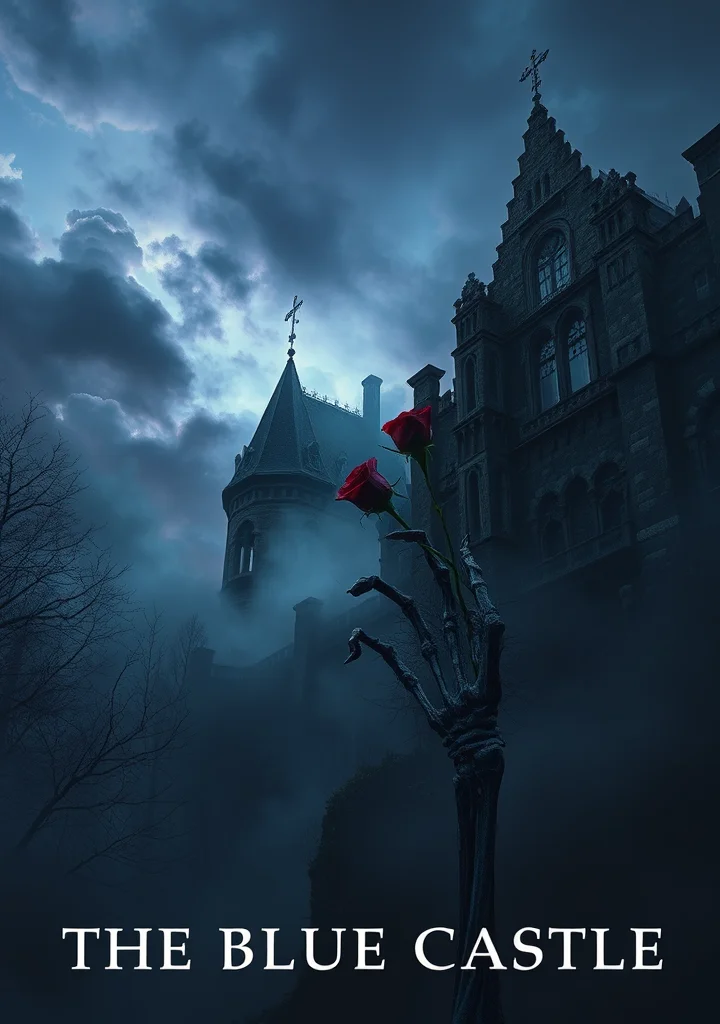
A creeping dampness clings to the shadowed corners of Valley of Blue Castles, where Valerian Barclay, a woman withered by years of stifling duty and whispered scorn, discovers a freedom born of bitter defiance. The narrative exhales a melancholic haze, thick with the scent of decaying roses and the murmur of regret. Old Man Barclay’s estate, a crumbling edifice of ancestral pride, looms like a skeletal hand against perpetually bruised skies. The castle itself is less stone and mortar than a cage of expectations, its blue hue mirroring Valerian's own bruised spirit. A slow unraveling of societal constraints bleeds into a strange, almost feverish awakening as Valerian dares to embrace the eccentricities of her world. The forest surrounding the castle breathes with a secret life, teeming with shadowed paths and whispers of forgotten lore. A haunting stillness pervades the narrative, broken only by the creak of ancient timbers and the rustle of unseen things in the shadowed depths of the woods. The air is thick with the weight of unspoken desires and the chilling possibility of a love that blooms only in the wreckage of shattered reputations. Even as Valerian's heart opens to a fragile hope, the specter of her past – and the castle’s own decaying grandeur – casts a long, unforgiving shadow. The novel is steeped in a sense of lonely grandeur, where the echoes of loss resonate through every darkened hall, and even the most vibrant bloom is tinged with the blue of sorrow.