
Hamburg Echoes
  • 64
  • 0
  • 18
  • Read 64
  • 0
  • Part 18
Completed, First published May 09, 2026

The story opens with a direct address from the author, acknowledging the novel’s origins and offering a candid note regarding potentially sensitive content—including dramatic conflict and self-harm—while promising clear trigger warnings. Subsequent chapters trace the unfolding excitement surrounding interactions between Harry Styles and Louis Tomlinson on social media. These exchanges, initially observed by a devoted fan named Liam, quickly ignite a frenzy of online adoration. The narrative follows the ripple effect of these interactions, capturing the intensity of fan response and hinting at a deeper connection between the two musicians.
Copyright: All Rights Reserved
No person is allowed to use, redistribute, or modify your work in any form without your explicit permission.
Recommended for you

73 Part
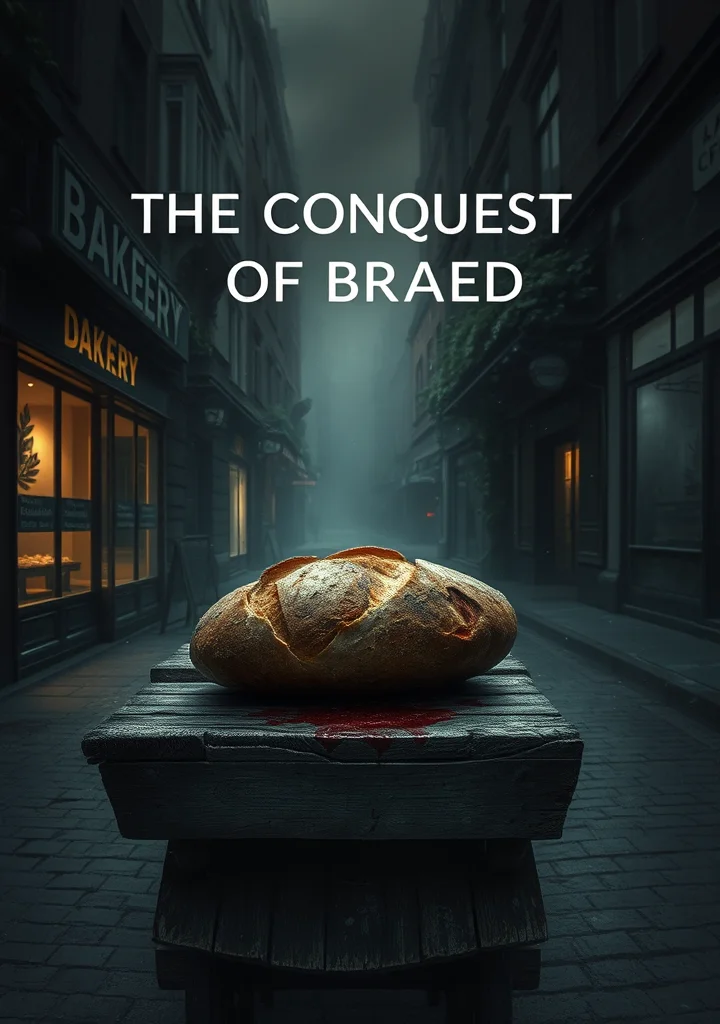
Dust motes dance in the perpetual twilight of abandoned mills and shadowed bakeries. A creeping dread clings to the cobblestones, not of starvation’s gnaw, but of a cold, methodical dismantling of habit. This is not a tale of revolution’s fire, but of its slow, fungal growth within the bones of a dying world. Kropotkin’s vision isn’t one of barricades and blood, but of a silent, relentless erosion of ownership, a reclamation not through violence, but through the ghostly presence of communal need. The narrative exhales a peculiar stillness, like a mausoleum filled with the scent of rising dough and the whispers of forgotten hands. Each chapter unfolds as a spectral blueprint of a possible future, sketched in the dim light of necessity. It’s a world where the boundaries between labour and leisure dissolve into a perpetual, aching grey, where the very act of sharing becomes a haunting ritual. There's a chilling beauty in the prose, a meticulous accounting of resources that feels less like instruction and more like an incantation. The atmosphere is one of damp earth, the metallic tang of tools left to rust, and the unnerving quietude of fields yielding not to a lord, but to the communal breath of those who understand the earth’s yielding is not conquest, but communion. The book doesn’t promise liberation, it presents a slow, unsettling haunting of the old order, a creeping tendril of possibility that leaves one wondering if the ghosts of hunger have finally found their bread.
17 Part
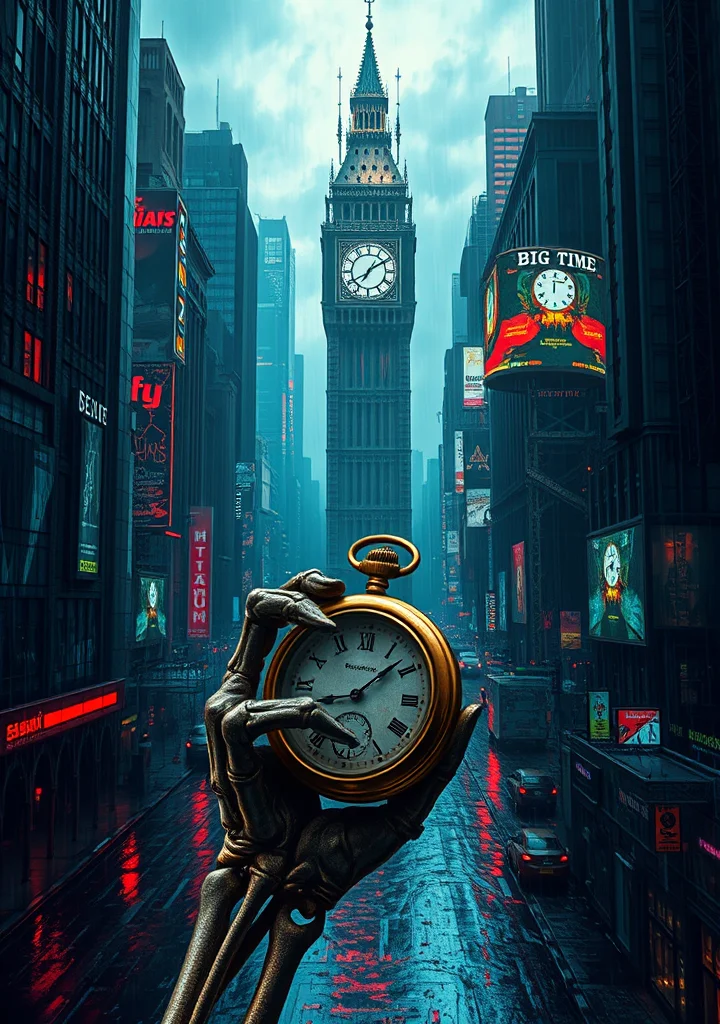
The crumbling grandeur of Old Chicago bleeds into the shadowed alleys where ghosts of ambition and regret cling to brick and steel. Leiber’s Big Time isn’t a future of chrome and efficiency, but a slow rot of decay masking a desperate, fractured empire. The air hangs thick with the metallic tang of ozone and the phantom scent of long-dead gods. Every shadowed doorway promises a bargain struck with entities older than humanity, deals paid for in stolen years and fractured sanity. This isn't about conquest, but about scavenging for scraps of power in a landscape where the lines between reality and illusion blur with each passing hour. The city itself is a wound, pulsing with the fever dreams of those who clawed their way to the top, only to find the view from the penthouse a desolate vista of echoing emptiness. The narrative unfolds in a twilight of collapsing timelines and borrowed lives, where identities are traded like trinkets and the cost of immortality is measured in lost souls. The narrative breathes with a suffocating claustrophobia, the weight of the city pressing down, threatening to swallow its inhabitants whole. It’s a world where every victory is tainted by loss, every alliance forged in treachery, and the only certainty is the creeping dread of something ancient and hungry stirring in the ruins. The shadows don’t just hide monsters; they *are* the monsters, woven into the very fabric of this decaying, timeless metropolis.