The Empathy Tax
  • 47
  • 0
  • 7
  • Read 47
  • 0
  • Part 7
Ongoing, First published May 01, 2026

The narrative traces Kaelen Vance navigates a world where emotional labor is currency. She works as an emotional processor, absorbing the trauma of others, yet struggling to maintain her own detachment. The narrative traces Kaelen’s path as she infiltrates a clandestine auction—a lavish event offering immunity from emotional fallout—and encounters a mysterious stranger, Ezra Thorne. He warns her of corruption and provides evidence of systemic manipulation. As Kaelen delves deeper, she uncovers a conspiracy suggesting emotions themselves are manufactured and controlled, hinting at a hidden role for herself within the system.
Copyright: All Rights Reserved
No person is allowed to use, redistribute, or modify your work in any form without your explicit permission.
Recommended for you
148 Part
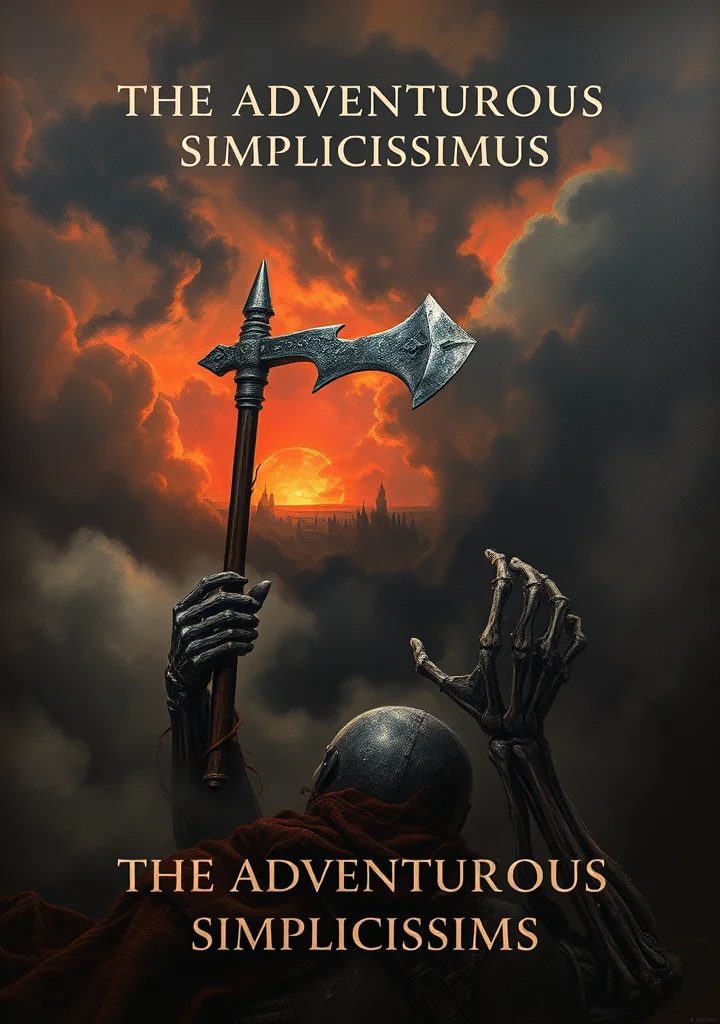
A world steeped in the mud and iron of the Thirty Years’ War bleeds into every page. Simplicissimus doesn't merely recount adventure; it exhumes it from the rotting timbers of abandoned villages and the hollow stares of famine’s ghosts. The narrative coils around you like a creeping fog, thick with the stench of gunpowder and the sour tang of desperation. It isn't heroism that echoes through these chapters, but a brutal, animalistic survival. Each encounter – a brawl in a mercenary camp, a desperate plea for shelter, a glimpse of skeletal families huddled around dying embers – is rendered with a chilling immediacy. The prose itself feels like a shard of glass pressed against the skin, sharp and unforgiving. Grimmelshausen doesn't offer escape, but immersion. You walk alongside Simplicissimus through landscapes ravaged not by armies alone, but by a spiritual decay that festers in the hearts of men. The castles loom as skeletal frameworks against bruised skies, and the forests whisper with the cries of the lost. The novel’s relentless forward motion mirrors the descent into madness, the erosion of innocence, and the ultimate realization that even in the deepest darkness, humanity finds a way to both inflict and endure. A suffocating claustrophobia settles over the reader as the narrative descends into a labyrinth of moral compromise and the casual horrors of a world utterly consumed by war. It is a world where the only virtue is the will to survive, and even that is often purchased with pieces of the soul.
72 Part
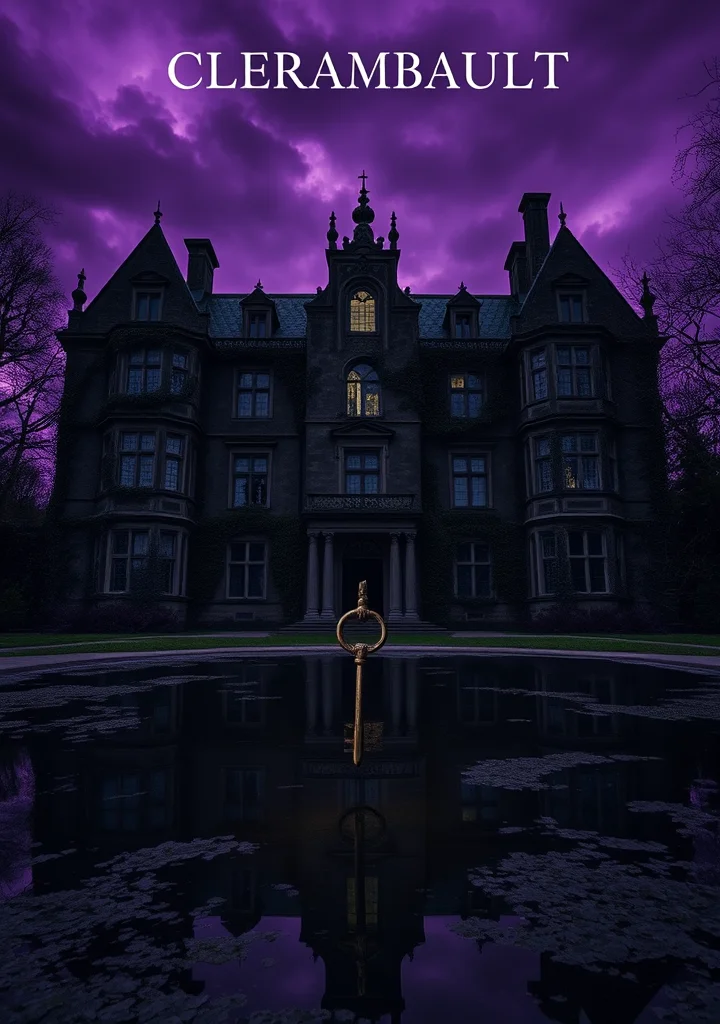
The air hangs thick with the scent of decay and damp earth within the crumbling chateau of Clerambault. Here, amidst shadowed corridors and portraits whose eyes seem to follow your every move, a man named Jean, haunted by a past he cannot escape, wages a silent war against his own fracturing mind. The estate itself is a character—a labyrinthine monument to a noble lineage crumbling under the weight of inherited madness and suffocating isolation. Rolland weaves a suffocating atmosphere of psychological torment, where the boundaries between reality and delusion blur with each echoing footstep. Jean's descent is not marked by dramatic outbursts, but by a creeping, insidious unraveling—a quiet rot consuming him from within. The oppressive weight of family history, the suffocating expectations of his ancestral home, and the insidious whispers of his own internal demons create a sense of dread that clings to the reader like a shroud. Sunlight rarely penetrates the overgrown gardens or the dust-veiled windows, lending the narrative a perpetual twilight. Every creaking floorboard, every rustle of leaves, is imbued with a sinister significance. The true horror isn’t found in specters or ghouls, but in the slow, agonizing disintegration of a man’s sanity, witnessed through the fractured lens of his own unreliable perception. It is a story steeped in the melancholic beauty of ruin, a haunting meditation on the fragility of the self, and the suffocating power of memory.