
The Titan
  • 723
  • 0
  • 64
  • Read 723
  • 0
  • Part 64
Completed, First published Mar 02, 2026

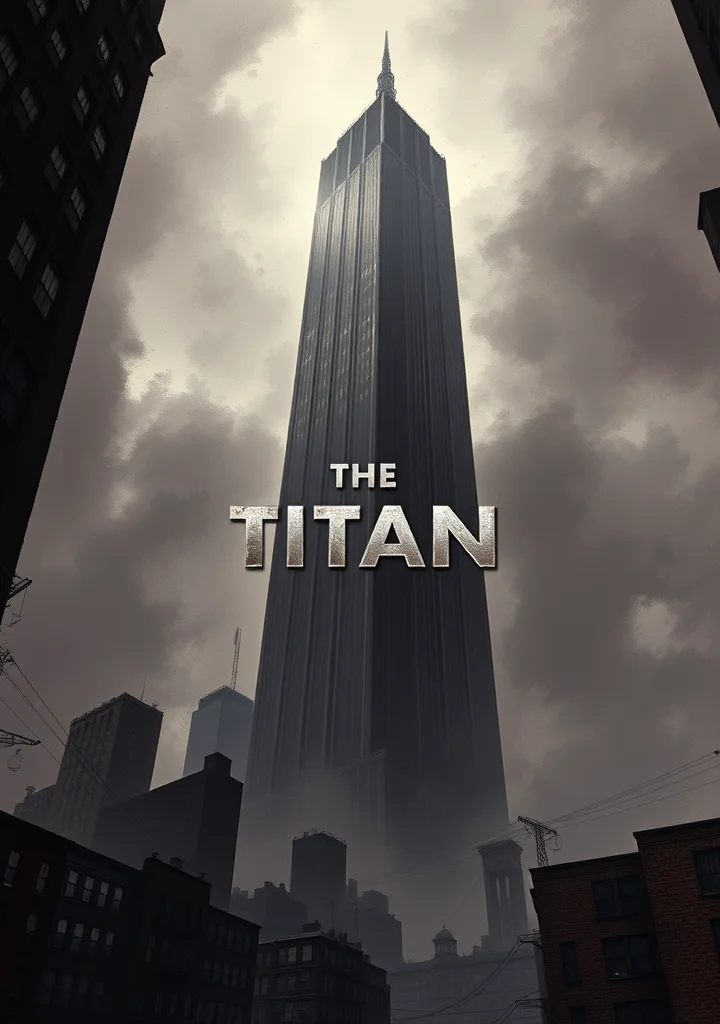
A creeping dread clings to the shadowed avenues of New York, mirroring the suffocating ambition of Silas Thorne. Dreiser paints a city not of gilded promise, but of iron bone and suffocating brick, where Thorne’s ascent – fueled by ruthless calculation and the hollow echo of inherited wealth – casts a lengthening pall over all who dare to witness it. The narrative unfolds not as a story of triumph, but as a slow, agonizing compression of the human spirit, each step on Thorne’s staircase to power marked by the crumbling residue of lives discarded as if they were merely stones in his foundation. Fog-choked streets become a labyrinth of moral decay, mirroring the labyrinth within Thorne himself. His mansion, a monolith of granite and shadowed glass, isn’t a home, but a mausoleum for the living, each room echoing with the phantom weight of compromised ideals. The air thickens with the scent of decaying ambition, of secrets corroded by greed. The narrative doesn’t revel in grand spectacle, but in the subtle rot of complicity. It's a story whispered in darkened hallways, a chill felt in the periphery of Thorne's gaze. A sense of inevitability, of a crushing, mechanical doom, pervades the pages. The titan doesn’t conquer; he consumes, leaving behind a barren landscape of broken promises and the dust of extinguished souls. The city itself seems to hold its breath, waiting for the inevitable collapse of this monstrous edifice of a man. It's a darkness not of overt horror, but of a slow, inexorable suffocation.
Copyright: Public Domain
This license allows anyone to use your story for any purpose, including printing, selling, or adapting it into a film freely.
Recommended for you
56 Part
A creeping dread clings to the shadowed lanes surrounding Wildfell Hall, a manor steeped in rumour and whispered anxieties. The narrative unfolds through the anxious observations of a young gentleman drawn into the isolated community, but quickly becomes consumed by the mystery of its reclusive mistress, Helen. She arrives fleeing a monstrous secret, a husband whose depravity festers within the confines of their marriage. The Hall itself breathes with a history of decay, a gothic fortress concealing not merely stone and timber, but the unraveling of a woman’s spirit. The story is one of entrapment—not within walls, but within a marriage that slowly poisons the soul. Helen’s diary, unearthed like a tomb’s unearthed remains, reveals a descent into darkness, fuelled by alcohol-soaked brutality and the insidious erosion of self-worth. Every shadowed room, every stolen glance, echoes with the suffocating weight of a life slowly extinguishing under the weight of a monstrous devotion. The landscape mirrors the internal torment; bleak moors and desolate farmhouses reflect the emotional barrenness of her existence. A relentless tension builds, punctuated by the chilling details of her husband’s escalating cruelty, until the reader is left gasping with Helen, trapped within a nightmare of domestic horror. It is a tale of escape, yes, but the price of freedom is etched in scars both visible and unseen, leaving Wildfell Hall a monument to the harrowing power of abuse and the desperate will to survive.
297 Part
A descent into shadowed valleys where morality itself is a crumbling edifice. The air hangs thick with the scent of decay, not of flesh, but of belief. This is a landscape carved from the obsidian of doubt, where the sun bleeds into a perpetual twilight and the echoes of forgotten gods whisper through fractured minds. It isn’t a story of villains to be vanquished, but of masks discarded, revealing the cold, magnificent indifference beneath. Each chapter unfolds like a slow unraveling—a descent not into sin, but beyond its very definition. The narrative clings to the jagged edges of reason, tracing the contours of a will to power that consumes not with fire, but with a glacial, irresistible logic. Shadows stretch from the ruins of old values, twisting into monstrous forms born of ambition and ressentiment. There are no heroes here, only climbers scaling the precipice of their own self-overcoming, their hands stained with the dust of shattered idols. The silence between the lines is a vast, echoing chasm—a void mirroring the abyss within each self-proclaimed ‘good’ man. It’s a chronicle of becoming, of forging a new dawn from the embers of a dying world, a world where the only truth is the will to create, to destroy, to *become* beyond the shackles of pity and remorse. The landscape is one of perpetual internal warfare, where the battlefield is the self, and the stakes are nothing less than the remaking of existence itself.