
-
Read 491
-
0
-
Part 39
Completed, First published Mar 02, 2026
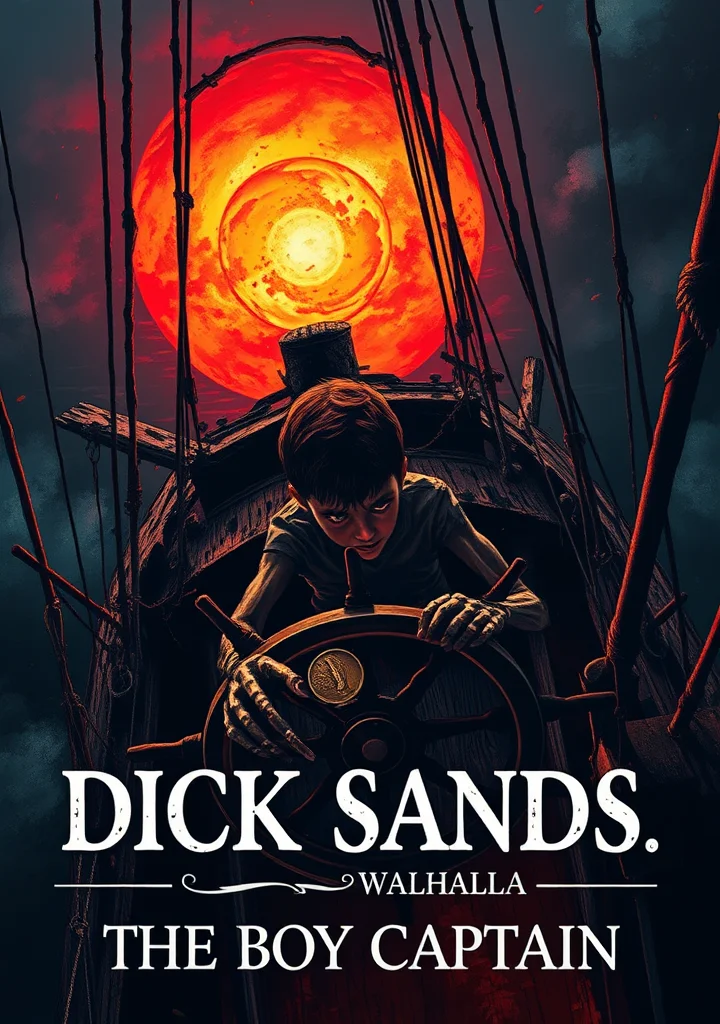
A salt-laced dread clings to the rigging of the *Walhalla*, a phantom ship adrift in a sea of simmering betrayals. Verne doesn’t merely chart a voyage, he maps the rot within men’s hearts. The sun bleeds crimson across the decks as young Dick Sands, thrust into command by a cruel twist of fate, finds himself not master of his vessel, but puppet of a conspiracy woven in the humid shadows of colonial ports. Each wave whispers of mutiny, each horizon hides a lurking threat – not from storms or pirates, but from the elegant poison of civilized deceit.
The narrative unfurls like a fever dream, drenched in the ochre dust of forgotten African kingdoms and the sickly sweet perfume of smuggled opiums. The air hangs thick with the stench of desperation, of fortunes gambled on the backs of slaves, of lives bartered for a handful of glittering coins. Every act of bravery is shadowed by the gnawing suspicion of a trap, every rescue tainted by the knowledge of a hidden hand pulling the strings.
This is not adventure; it is a slow unraveling, a descent into a darkness where the boundaries of loyalty and betrayal blur until they vanish entirely. The reader is left adrift alongside Sands, choking on the salt spray of paranoia, wondering if the boy captain commands his fate, or merely sails toward the inevitable wreck of his soul. The islands themselves seem to mourn, shrouded in mists that conceal not just land, but the ghosts of those consumed by avarice and despair.
Copyright: Public Domain
This license allows anyone to use your story for any purpose, including printing, selling, or adapting it into a film freely.
This license allows anyone to use your story for any purpose, including printing, selling, or adapting it into a film freely.
Recommended for you