
-
Read 218
-
0
-
Part 11
Completed, First published Mar 02, 2026
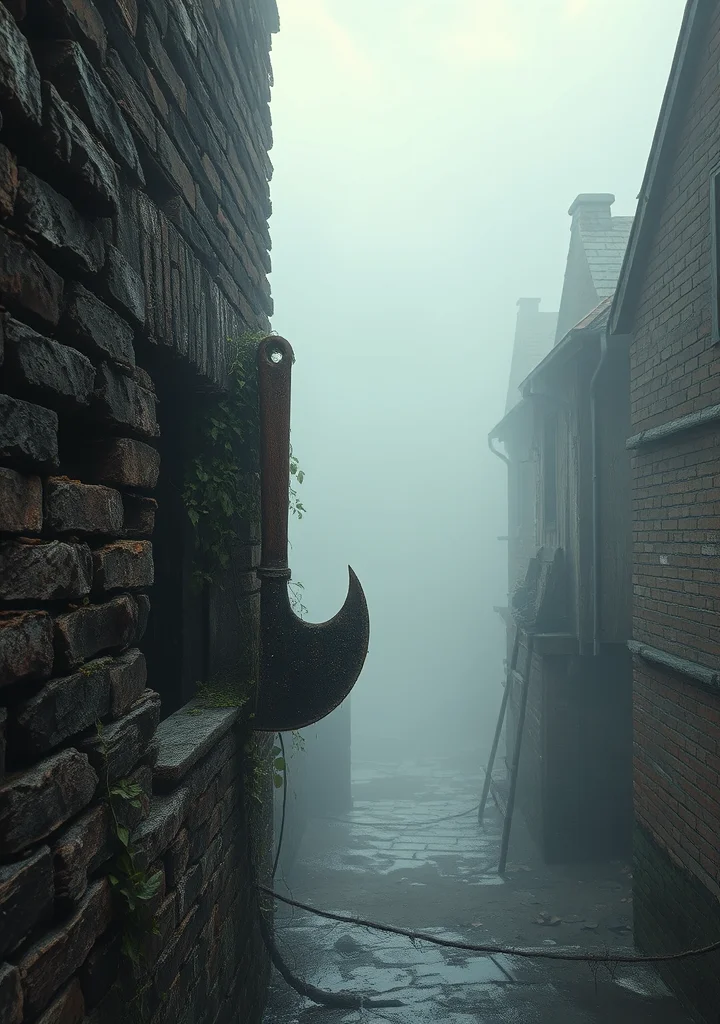
The salt-stained air hangs thick and grey, mirroring the perpetual mist clinging to the crumbling brick of the estuary town. Here, where the river breathes in the tide’s decay, a silence deeper than the water itself has settled. It’s a silence woven with the whispers of forgotten shipwrights, the ghosts of drowned sailors, and the slow, insidious rot of isolation. Every boarded-up window, every weed-choked garden, feels less abandoned than *waiting*. A waiting for the tide to claim something more, for the fog to swallow something whole. The narrative unfolds not as a story *told*, but as one *absorbed* from the very timbers of the decaying houses, the slick mud underfoot. A creeping dread permeates the narrative, not from any singular horror, but from the pervasive sense of being watched by the landscape itself – a landscape that remembers everything, and offers nothing back. It's a place where the boundaries between the living and the lost blur with each mournful chime of the distant buoy, and where the past isn't buried, but breathes beneath your feet. The characters, spectral and fractured, are as much a part of the backwater’s decay as the crumbling docks, their stories echoing in the hollow spaces between the damp-stained walls. It isn’t a tale of what happens *in* Backwater, but of what Backwater *does* to those who linger too long.
Copyright: Public Domain
This license allows anyone to use your story for any purpose, including printing, selling, or adapting it into a film freely.
This license allows anyone to use your story for any purpose, including printing, selling, or adapting it into a film freely.
Recommended for you