
-
Read 226
-
0
-
Part 12
Completed, First published Mar 02, 2026
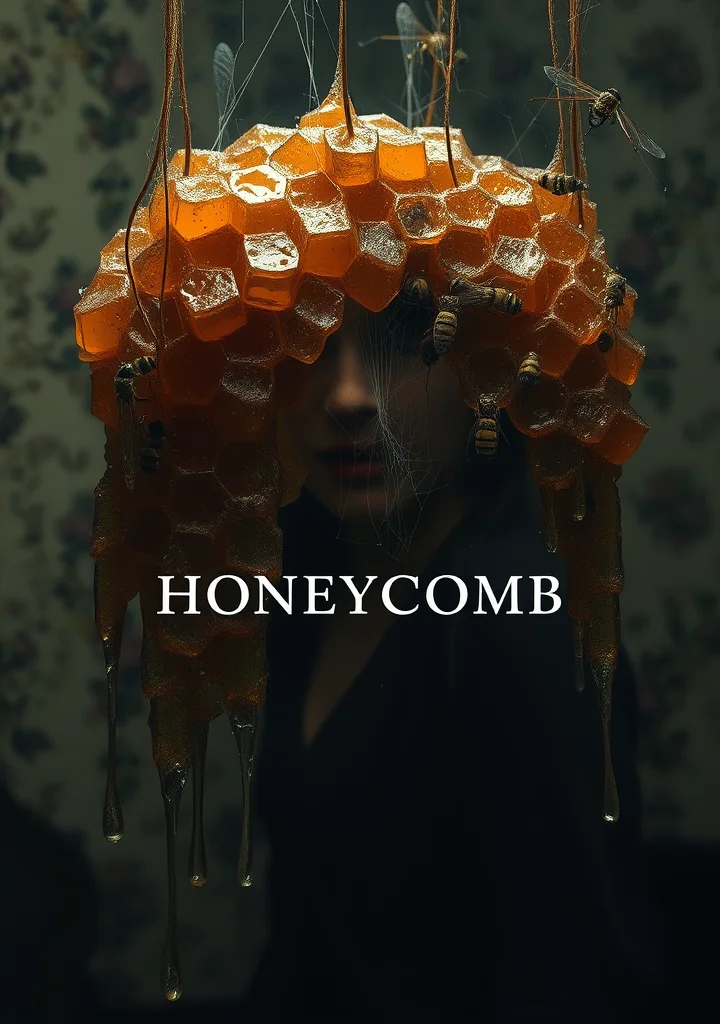
The air hangs thick with the scent of beeswax and rot, clinging to the shadowed corners of a decaying manor house. Here, amidst crumbling plaster and the drone of unseen insects, a woman named Evelyn finds herself drawn into a suffocating domesticity. Not a life of comfort, but one of brittle, gilded cages constructed by the demands of a husband whose affection is as cloying as the honey he keeps. Each room breathes with a stifled history, a suffocating sweetness that masks a creeping dread. Days bleed into one another, marked only by the meticulous arrangement of objects – dolls with vacant eyes, pressed flowers within glass cases, the endless, intricate patterns of the honeycomb itself. Evelyn’s own reflection, fractured in antique mirrors, becomes a stranger's face, haunted by glimpses of a former self. The garden, overgrown with thorny roses, offers no escape, only the echoing promise of something lost, something devoured. A slow, insidious unraveling occurs as the boundaries between Evelyn’s sanity and the oppressive architecture begin to blur, the house becoming a living entity feeding on her vitality. The narrative coils like a tendril around a decaying core, dripping with the residue of unspoken desires and the silent screams of a woman entombed within her own perfect, suffocating world.
Copyright: Public Domain
This license allows anyone to use your story for any purpose, including printing, selling, or adapting it into a film freely.
This license allows anyone to use your story for any purpose, including printing, selling, or adapting it into a film freely.
Recommended for you