
The Confessions of Arsène Lupin
  • 169
  • 0
  • 10
  • Read 169
  • 0
  • Part 10
Completed, First published Mar 02, 2026

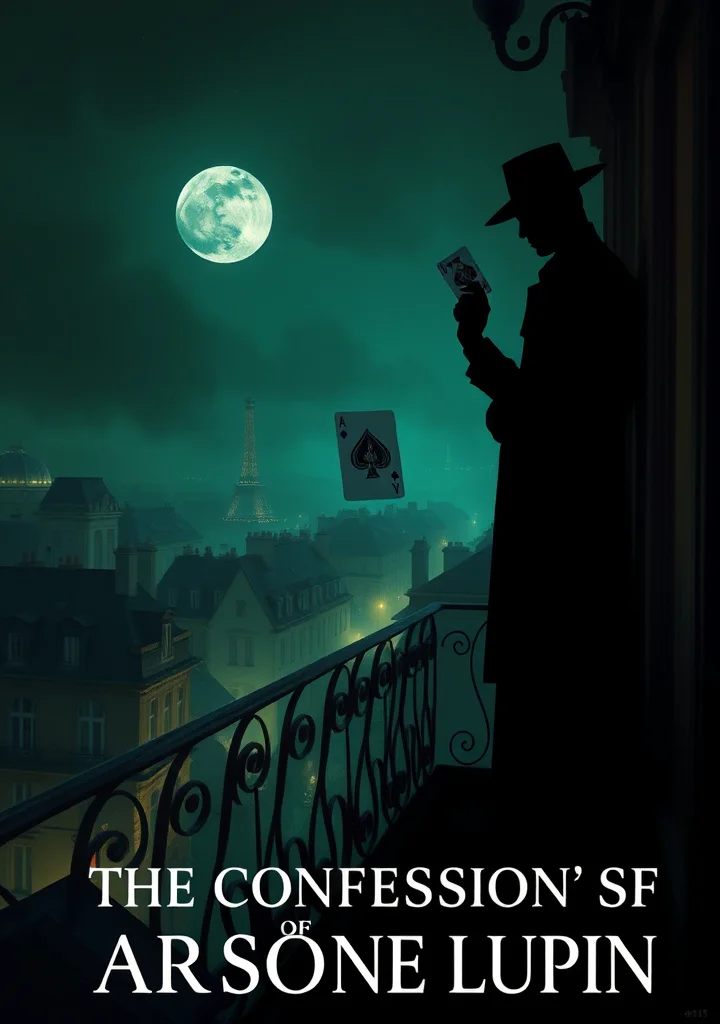
Shadows cling to the opulent Parisian rooftops, mirroring the labyrinthine schemes of Arsène Lupin. A chill, not of winter but of calculated audacity, permeates the gaslit streets where whispers follow the gentleman thief like a phantom limb. This is not merely a chronicle of stolen jewels and daring escapes, but a descent into the velvet darkness of a gilded age, where morality is a performance and every locked door yields to a master’s touch. Leblanc weaves a narrative thick with the scent of expensive cigars and the rustle of silk in darkened corridors. The reader is drawn into a world where the line between genius and madness blurs with each stolen glance, each expertly crafted deception. A subtle rot underlies the elegance of the era—a despair born of privilege and boredom—and Lupin, like a beautiful parasite, feeds upon it. The story unfolds not as a hunt, but as a seduction, a slow unraveling of trust and certainty. Each confession is a fragment of a shattered mirror, reflecting not Lupin’s guilt, but the decadence of a society ripe for plunder. The very air vibrates with the tension of waiting, the anticipation of a trap perfectly sprung. It’s a game played in the shadows, where the stakes are not merely wealth, but the very foundations of belief.
Copyright: Public Domain
This license allows anyone to use your story for any purpose, including printing, selling, or adapting it into a film freely.
Recommended for you

13 Part
A creeping mist clings to the borders of the forgotten continent, where three men—Van, Terry, and Jeff—dare to venture into a realm whispered about only in the fever dreams of sailors. This is Herland, a land populated solely by women, born of an ancient, impossible isolation. But the silence is not peaceful. It’s a suffocating weight, pressing down on the explorers as they discover a society built not on conquest or domination, but on an unnervingly serene, biological perfection. The air itself tastes of fecundity and decay, a sweet rot blooming in the humid shadows of colossal, vine-choked trees. Each encounter with the Herland mothers—pale, luminous creatures with eyes that hold the weight of millennia—is a slow unraveling of the explorers’ masculine assumptions. The beauty is not inviting, but predatory, a hypnotic lure promising both salvation and annihilation. Walls of emerald moss hide crumbling structures, remnants of a civilization older than history, hinting at a terrible, organic evolution. The men’s desires—lust, ambition, the need to control—become grotesque caricatures reflected back at them in the unnervingly placid faces of their hosts. Herland isn’t a paradise; it’s a chrysalis, and the men are moths drawn to a flame that will consume them, remaking them into something alien and utterly, irrevocably *other*. The further they delve, the more the land breathes around them, a living entity testing, observing, and ultimately, *claiming* them for its own insidious purpose. It is a land not of monsters, but of a singular, terrifying grace.
2014 Part
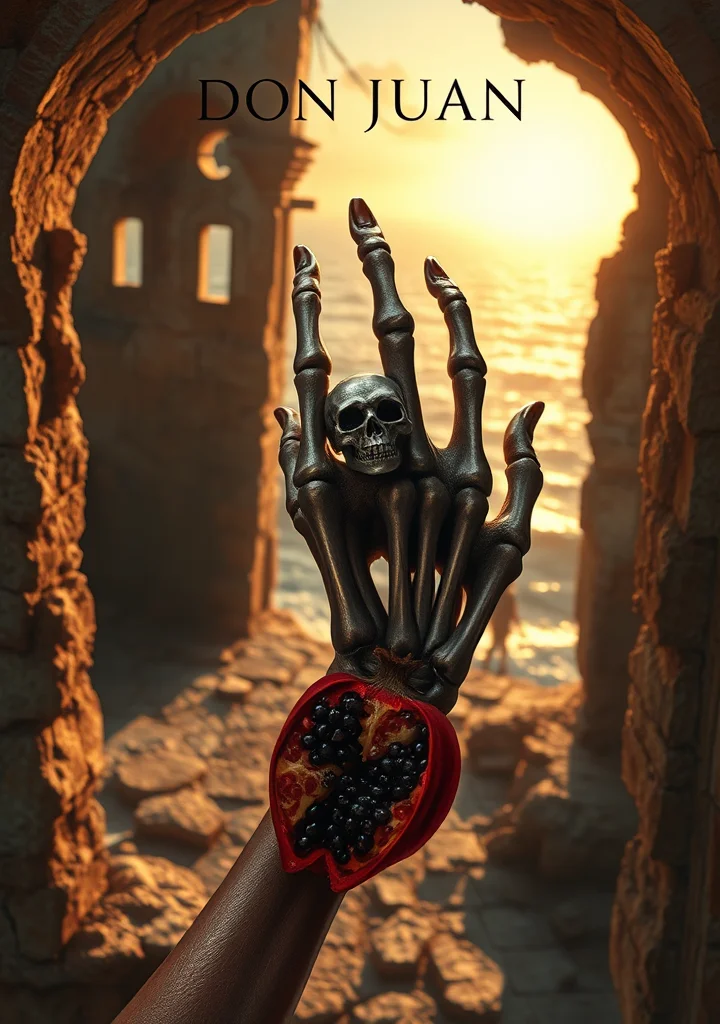
A chill wind whispers through sun-bleached Spanish ruins, carrying the scent of brine and decay. Don Juan is not merely a man, but a shadow stretched long across a continent, a fever dream of indulgence and disillusionment. His journey is one of restless flight, not from justice, but from the suffocating weight of a world built on hypocrisy. Each port, each encounter, peels back another layer of gilded rot, revealing a darkness that clings to him like the salt spray on a decaying mast. The narrative unravels through fractured confessions, a labyrinth of wit and weariness where cynicism blooms like night-blooming cereus. Every smile is a reprieve from a deeper, unspoken grief; every embrace, a fleeting warmth against an encroaching cold. The Mediterranean burns with a feverish brilliance, mirroring the protagonist’s own self-consuming passions, while the echoes of battles – both won and lost – resonate in the hollow chambers of his heart. He drifts through aristocratic salons and Moorish harems, a phantom observer caught between desire and despair. The sea itself seems to conspire with his melancholic fate, drawing him towards a horizon perpetually shrouded in mist. His is a tale of exquisite ruin, where beauty and brutality intertwine, leaving the reader adrift in a sea of unanswered questions and the lingering scent of jasmine and gunpowder. A perpetual twilight clings to his existence, a haunting reminder that even the most dazzling brilliance casts the longest shadows.