
-
Read 221
-
0
-
Part 13
Completed, First published Mar 02, 2026
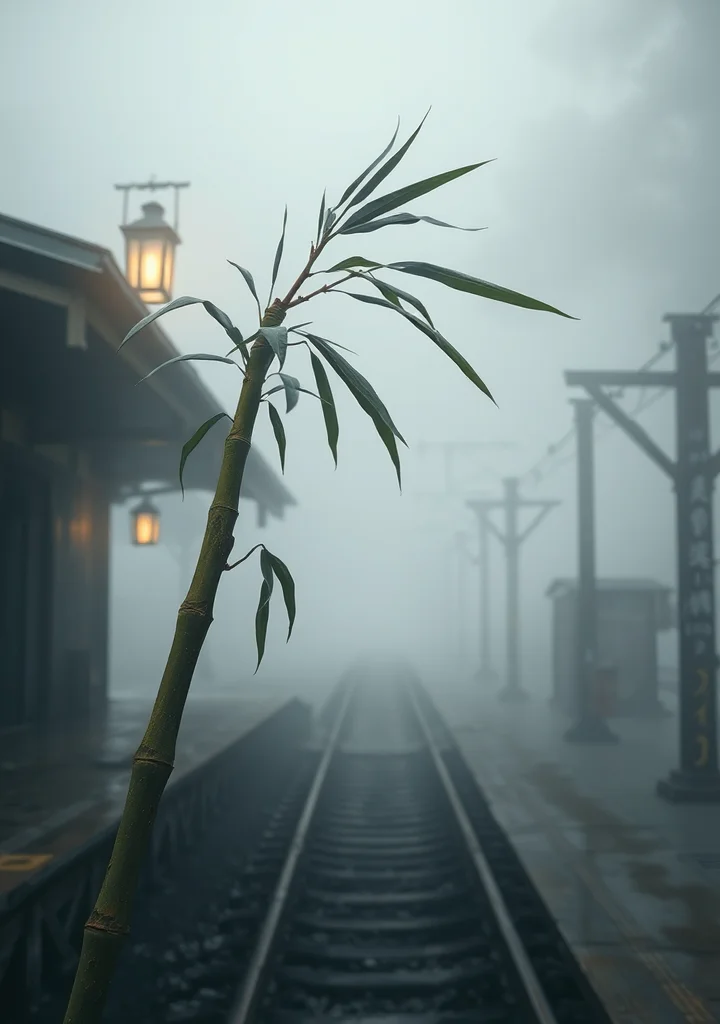
A creeping fog clings to the provincial train station, mirroring the melancholic haze within the unnamed narrator’s soul. He is a man adrift, dispatched to a remote village to await a woman—a fragile, unnamed bride—whose arrival is dictated by the whims of a cruel, indifferent fate. Days bleed into weeks marked only by the rhythmic chug of passing trains and the rustling of bamboo in the encroaching darkness. The village itself is a study in muted grey—houses hunched like weary beasts, fields dissolving into a perpetual twilight. Each encounter with the villagers—the stoic stationmaster, the gossiping women, the echoing laughter of children—is a shard of glass reflecting the narrator’s own fractured isolation. The promised bride exists only as a phantom limb of anticipation, a weightless hope tethered to the ever-shifting timetable. As the autumn chill deepens, a creeping dread seeps into the very timbers of the station house. The narrative isn't one of action, but of exquisite, suffocating waiting—a descent into a spectral stillness where the boundaries between reality and the fevered imaginings of a lonely heart begin to blur. The station becomes a mausoleum, the train’s whistle a mournful cry for a life already lost, or perhaps, never truly begun. It is a story steeped in the scent of damp wood, the taste of ash, and the quiet terror of being utterly, irrevocably alone.
Copyright: Public Domain
This license allows anyone to use your story for any purpose, including printing, selling, or adapting it into a film freely.
This license allows anyone to use your story for any purpose, including printing, selling, or adapting it into a film freely.
Recommended for you