
The Jew of Malta
  • 513
  • 0
  • 32
  • Read 513
  • 0
  • Part 32
Completed, First published Mar 02, 2026

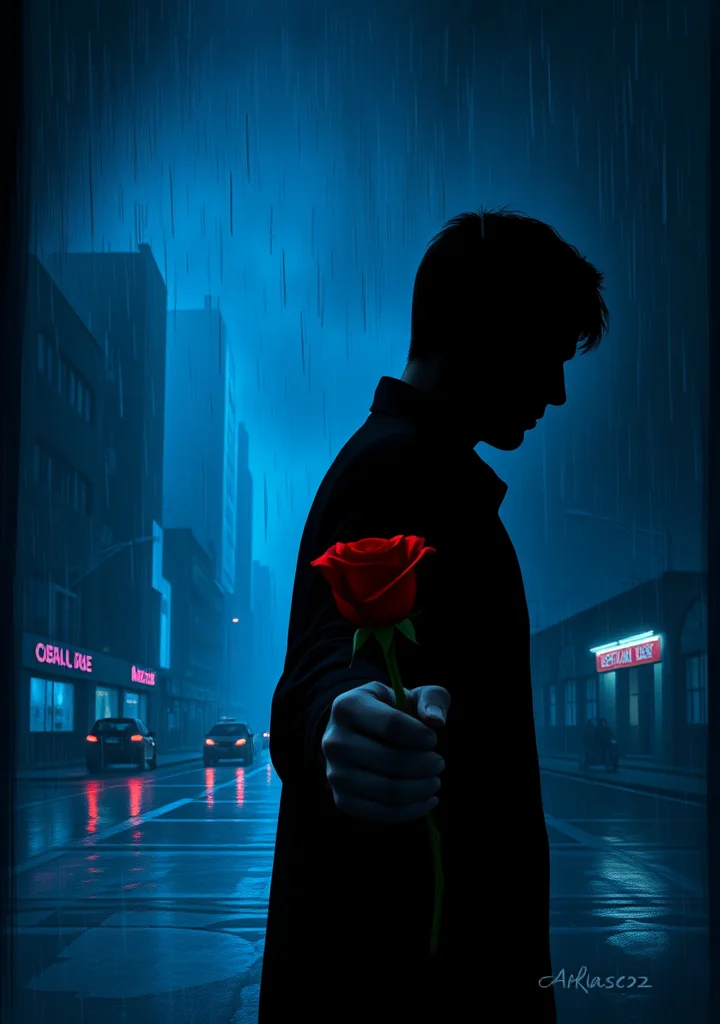
A suffocating heat hangs over Malta, thick with the scent of brine and simmering resentment. The air itself seems to conspire with shadows clinging to Moorish archways and crumbling fortifications. This is a world where piety is a gilded cage for avarice, and faith a weapon honed for vengeance. Barabas, stripped of his fortune and driven to desperate acts, becomes a phantom haunting the alleys of a city bleeding gold and betrayal. The narrative unfolds in a fever-dream of escalating violence—a labyrinth of whispered deals, poisoned gifts, and the chilling precision of calculated cruelty. Every transaction is stained crimson, every alliance built upon a foundation of shifting loyalties. A suffocating claustrophobia pervades, mirroring the constricted streets of Malta and the tightening noose of Barabas’s schemes. The play’s heart beats with a perverse, baroque energy—a relentless descent into the grotesque, fuelled by a relentless hunger for retribution. Blood spills easily, and the stench of decay clings to every act of defiance. The narrative doesn’t simply present horror, it *breathes* it, seeping from the stone walls and twisting through the shadowed corridors of a world consumed by its own corruption. A darkness settles over the reader, mirroring the ever-deepening pit of despair that swallows Barabas—and all those who cross his path.
Copyright: Public Domain
This license allows anyone to use your story for any purpose, including printing, selling, or adapting it into a film freely.
Recommended for you
9 Part
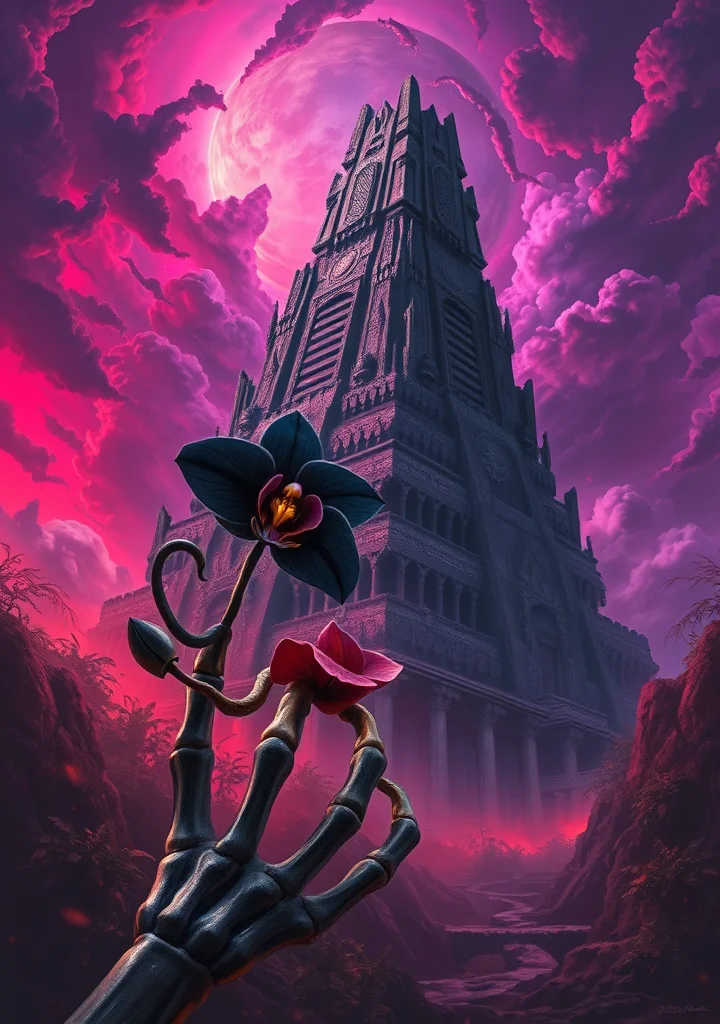
Dust-choked cities bloom amidst the crimson jungles of Xylos, a world steeped in the residue of forgotten gods and the slick, humid breath of ancient sorceries. Here, beneath a bruised violet sky, the echoes of a fallen empire cling to crumbling ziggurats and whisper in the bone-white sands. The air itself is thick with the scent of decaying blooms and the metallic tang of ritual sacrifice. A creeping dread permeates the narrative, not of monstrous beasts or alien invaders, but of something far more insidious: the slow, suffocating unraveling of sanity within a populace bound to a decaying voodoo priesthood. Shadows stretch long and hungry from the monolithic structures, concealing both the predatory grace of the Xylosian natives and the desperate, fever-haunted machinations of the exiled Earthborn seeking to exploit the planet’s dark heart. The narrative unfolds within a claustrophobic maze of decaying grandeur, where every crumbling stone seems to pulse with a latent, venomous life. The atmosphere is one of oppressive heat, stifling incense, and the ever-present hum of unseen rituals. A sense of being watched—not by eyes of flesh and blood, but by the spectral gaze of ancestral spirits—infuses every shadowed corner. It’s a world where the boundaries between dream and nightmare blur, where the rot of the past threatens to consume the present, and where the very soil seems to weep with the memories of unspeakable acts. The pulse of Xylos is a slow, deliberate drumbeat drawing you toward a darkness from which no light returns.
36 Part
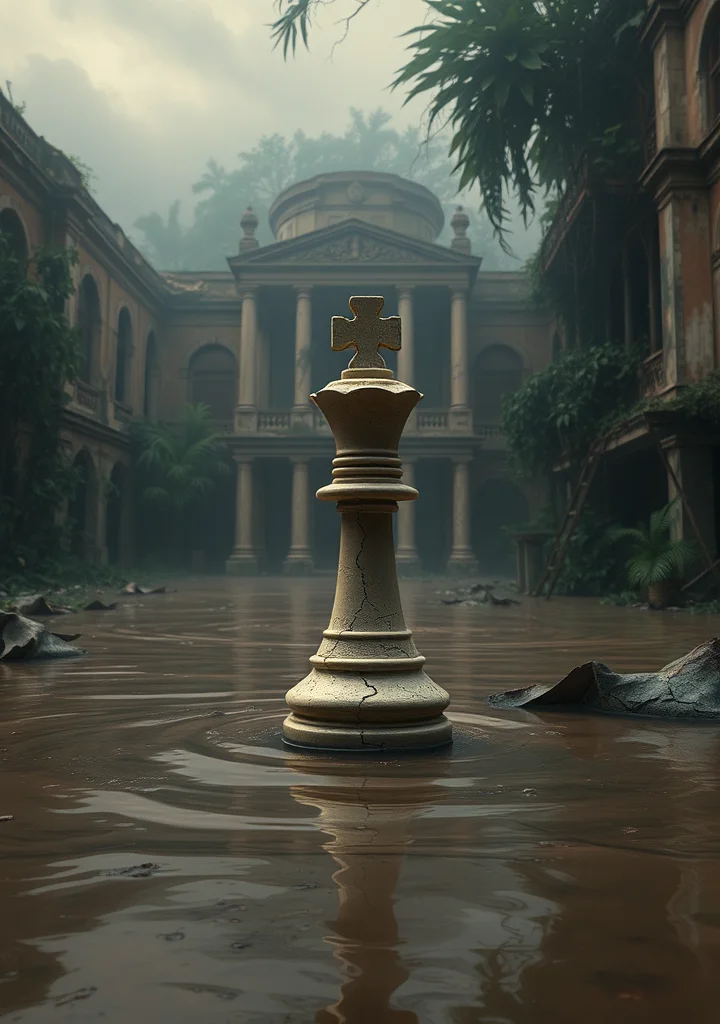
A creeping dread settles amidst the shadowed halls of reason. Locke’s treatises are not merely political arguments, but the cold, meticulous charting of a soul’s decay as it abandons divine right for the brittle embrace of individual will. The very air thickens with the scent of damp parchment and the phantom weight of relinquished authority. Each page feels less a declaration of liberty and more a testament to the fracturing of the ancient order—a splintering of the celestial hierarchy that births a hollow, echoing freedom. The gardens of natural law are overgrown with thorns of self-interest, and the estate of property is haunted by the spectral claims of those who once held dominion through grace. A pervasive unease clings to the text, suggesting that the contract, once sealed with blood and promise, now bleeds a slow poison into the foundations of society. The specter of rebellion, a gaunt figure glimpsed in the periphery of Locke’s measured prose, suggests a final, desperate act of severance—a severance not merely from the Crown, but from the very fabric of a world understood through faith. The silence following each assertion is not one of clarity, but of a widening abyss. It is a silence where the whispers of forgotten gods mingle with the rasping breaths of those who would forge a new world from the wreckage of the old, and it is a silence that promises only the chill of an unyielding, self-made winter. The treatise is a mausoleum built not of stone, but of ideas, and the air within is heavy with the dust of lost illusions.
13 Part
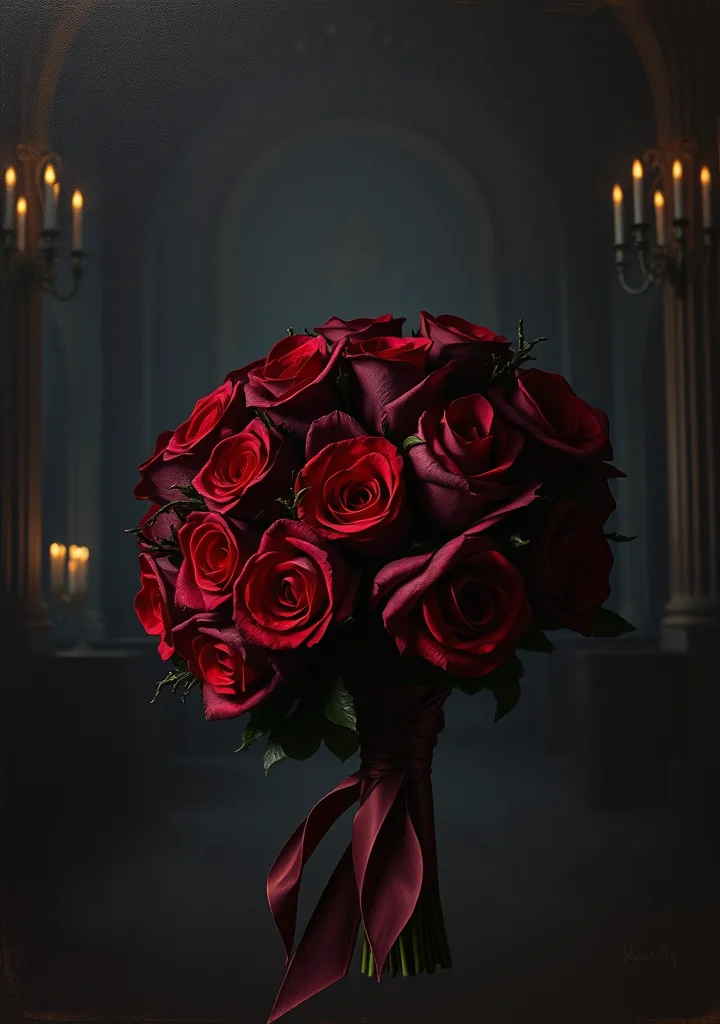
A suffocating dread clings to the stone of Calvary, not of Christ’s ascent, but of a family’s descent into inherited madness. The chateau breathes with the rot of generations, each gilded room echoing with the ghosts of ambition and decay. Here, the de Juvigny lineage festers, consumed by a legacy of brutal land-grabbing, military glory bought with the lives of men, and a morbid obsession with lineage that curdles into a grotesque parody of piety. The air is thick with the scent of damp earth, decaying flowers, and the bitter tang of arsenic, whispered to be the family’s favored tonic. Shadows dance in the crumbling corridors, mirroring the unraveling sanity of the patriarch, a man carved from granite and haunted by the phantom victories of his father. His sons, twisted reflections of his own brutal ambition, circle like carrion birds, each desperate to claim the crumbling estate as their own. A suffocating claustrophobia grips the reader as the narrative burrows deeper into the poisoned roots of the de Juvigny bloodline. The very walls seem to weep with the weight of unspeakable deeds. It is a world where beauty is a fragile veneer masking a core of rot, where devotion is a suffocating ritual, and where the soil itself is stained crimson with the secrets of a dynasty’s savage hunger. The narrative doesn't merely unfold; it *bleeds* into the reader's consciousness, leaving behind a residue of cold stone, whispered curses, and the chilling realization that Calvary is not a place of redemption, but a monument to the enduring power of darkness.