
-
Read 825
-
0
-
Part 71
Completed, First published Mar 02, 2026
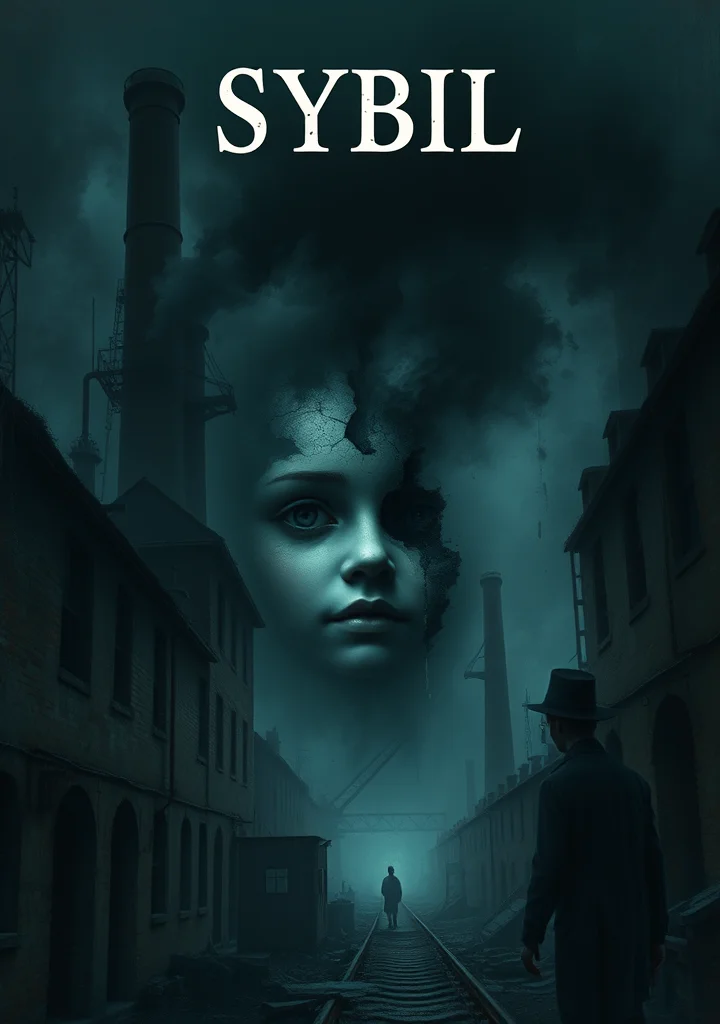
A creeping dread clings to the shadowed corners of Sybil, a novel steeped in the miasma of industrial England’s decay. The narrative exhales a perpetual twilight, where soot-stained brick and crumbling mills mirror the fractured souls within. Disraeli doesn't offer mere poverty, but a spectral haunting of ambition, of a nation consuming itself. Sybil, the eponymous ward, drifts through a landscape of feverish unrest – a phantom flitting between the opulent indifference of the aristocracy and the ravenous hunger of the working class.
The story unfolds not as a progression, but as an erosion. Each encounter, each act of charity or cruelty, feels carved from the same granite despair. A suffocating claustrophobia pervades, born not of physical confinement, but of the relentless, grinding monotony of lives lived in the shadow of the furnace. The language itself is a pallid imitation of grandeur, echoing with the hollowness of privilege.
Expect not soaring romance, but the slow, agonizing unraveling of hope. The novel breathes with the chill of damp stone, the metallic tang of blood and coal dust. It’s a world where every smile is a brittle facade, every kindness laced with the bitter knowledge of its futility. A darkness, not of supernatural design, but of systemic fracture—a creeping rot that consumes the heart of England itself. The air thickens with the weight of unfulfilled promises, and the shadows lengthen with each passing, suffocating hour.
Copyright: Public Domain
This license allows anyone to use your story for any purpose, including printing, selling, or adapting it into a film freely.
This license allows anyone to use your story for any purpose, including printing, selling, or adapting it into a film freely.
Recommended for you