
-
Read 378
-
0
-
Part 24
Completed, First published Mar 02, 2026
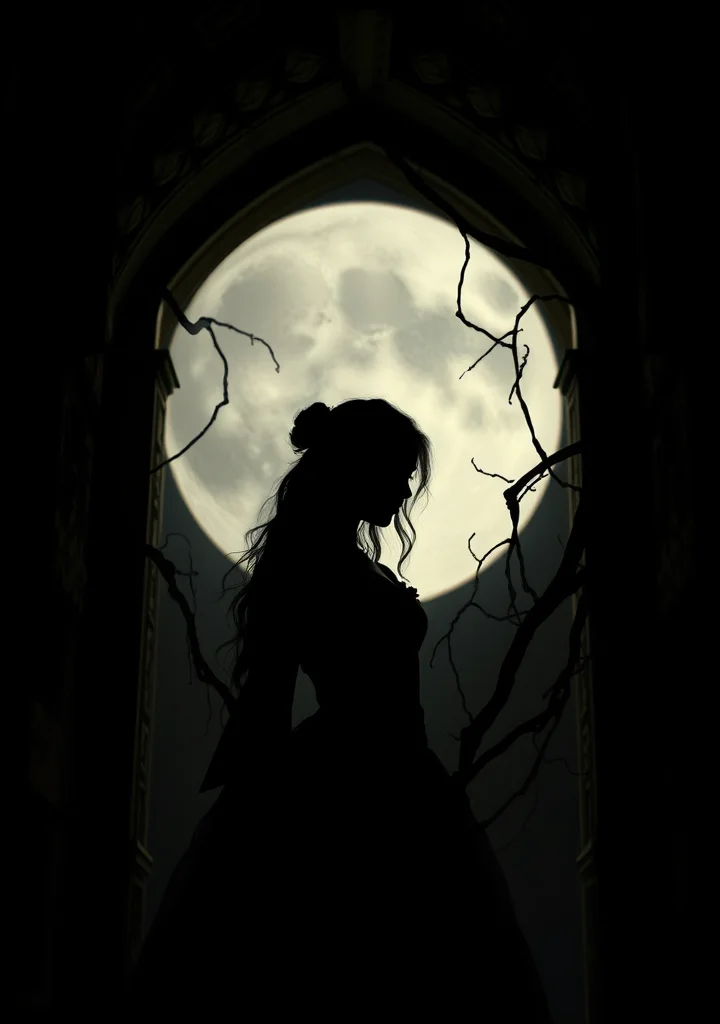
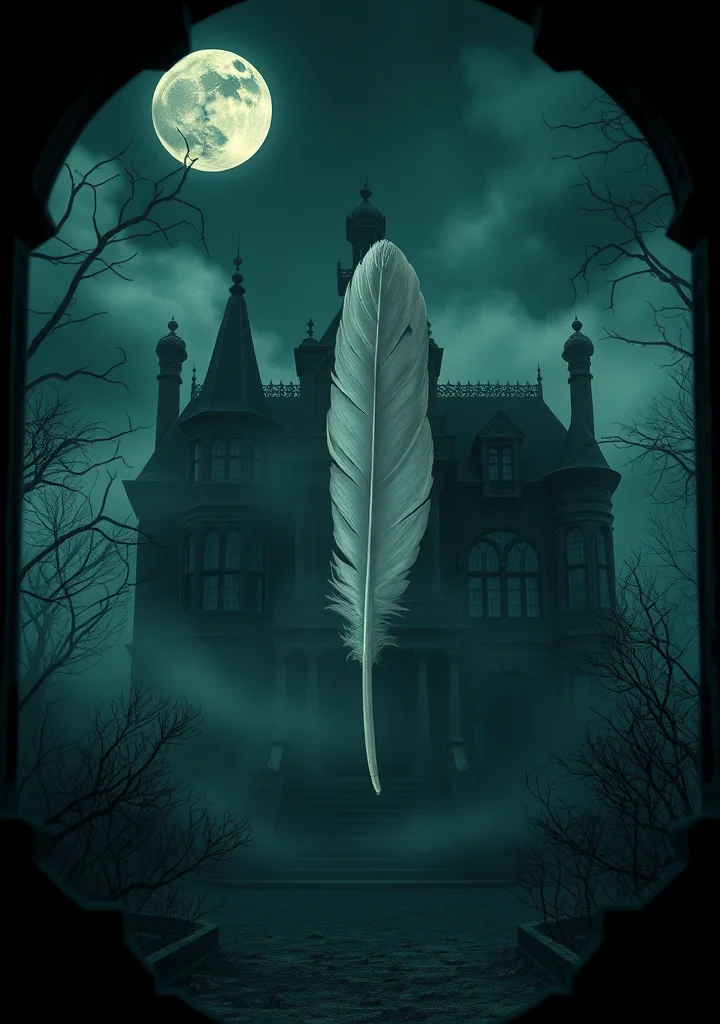
A creeping dread clings to the crumbling manor of Blackwood Hall, where Miss Everly’s arrival coincides with the chilling disappearance of Lord Ashworth’s prized hunting falcon – a bird of alabaster plumage said to carry the family’s secrets. Though Wodehouse’s hand guides the tale with a deceptive lightness, beneath the clipped lawns and drawing-room banter festers a rot of ancient rivalries and shadowed desires. The estate breathes with a mournful stillness, punctuated only by the whisper of wind through skeletal branches and the rustle of silk gowns concealing fractured hearts. Each seemingly innocuous social call feels like a tightening noose, each shared smile a practiced deceit. The scent of dying roses hangs heavy in the air, mirroring the slow decay of innocence within Blackwood’s walls. A phantom grief permeates the stone, leaving visitors haunted by the echoes of a past tragedy—a betrayal marked by a single, dropped white feather. The narrative unfurls not as a straightforward mystery, but as a slow immersion into a suffocating elegance, where every perfectly placed antique hides a fragment of a broken history, and the truth, like the falcon, is forever escaping grasp.
Copyright: Public Domain
This license allows anyone to use your story for any purpose, including printing, selling, or adapting it into a film freely.
This license allows anyone to use your story for any purpose, including printing, selling, or adapting it into a film freely.
Recommended for you