
Oro de sangre pálida
  • 9
  • 0
  • 3
  • Read 9
  • 0
  • Part 3
Ongoing, First published May 24, 2026

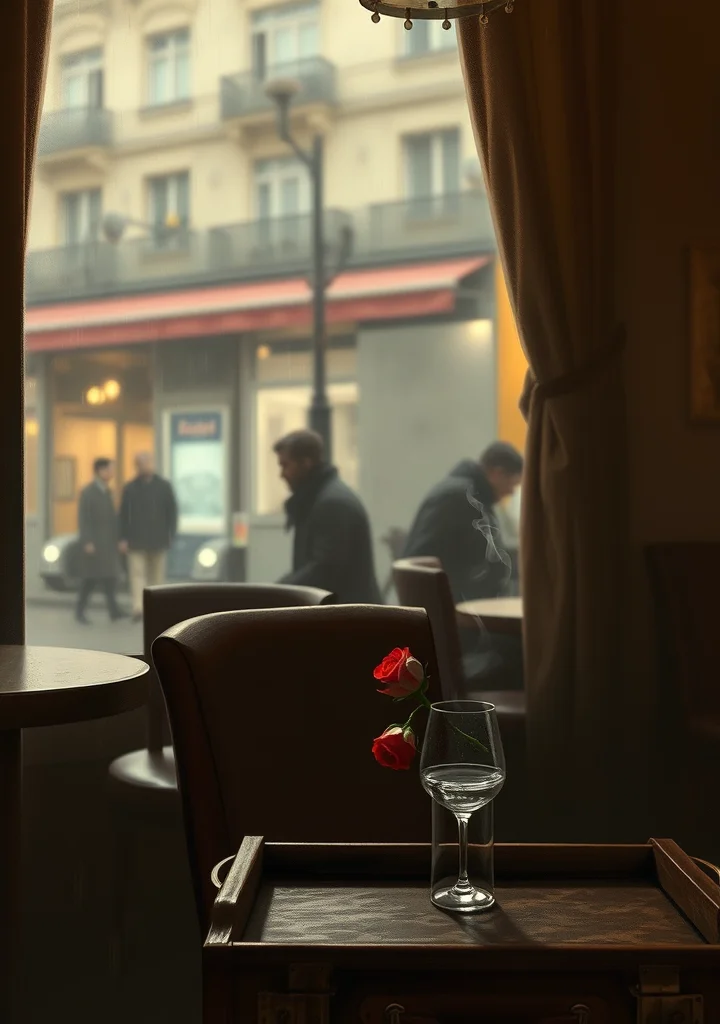
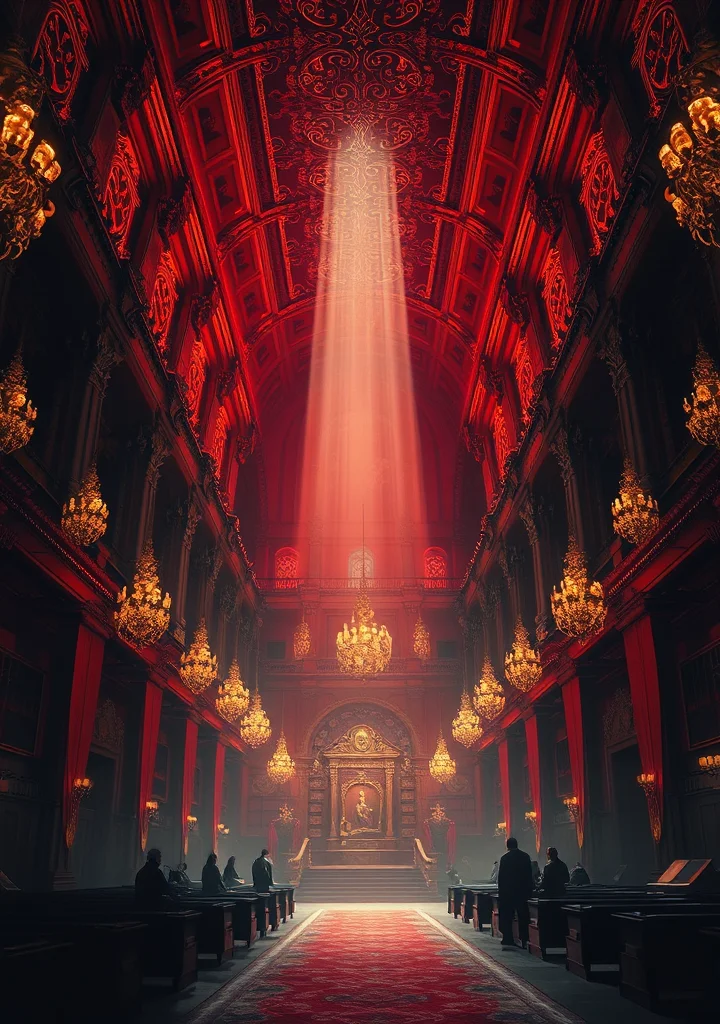
Pale Blood Gold desarrolla un mundo oscuro de riqueza y poder depredador. La narrativa rastrea la adquisición de hombres jóvenes, aparentemente mercancías, en una subasta, revelando una sociedad donde los vampiros pujan abiertamente por la propiedad. Dentro de un hogar lujoso y controlador, los ‘huéspedes’ recién adquiridos navegan por protocolos estrictos y temores ocultos. Las negociaciones comerciales aprovechan el acceso a bienes valiosos, subrayado por demostraciones de dominio y la objetivación de los esclavizados..
Copyright: All Rights Reserved
No person is allowed to use, redistribute, or modify your work in any form without your explicit permission.
Recommended for you
45 Part
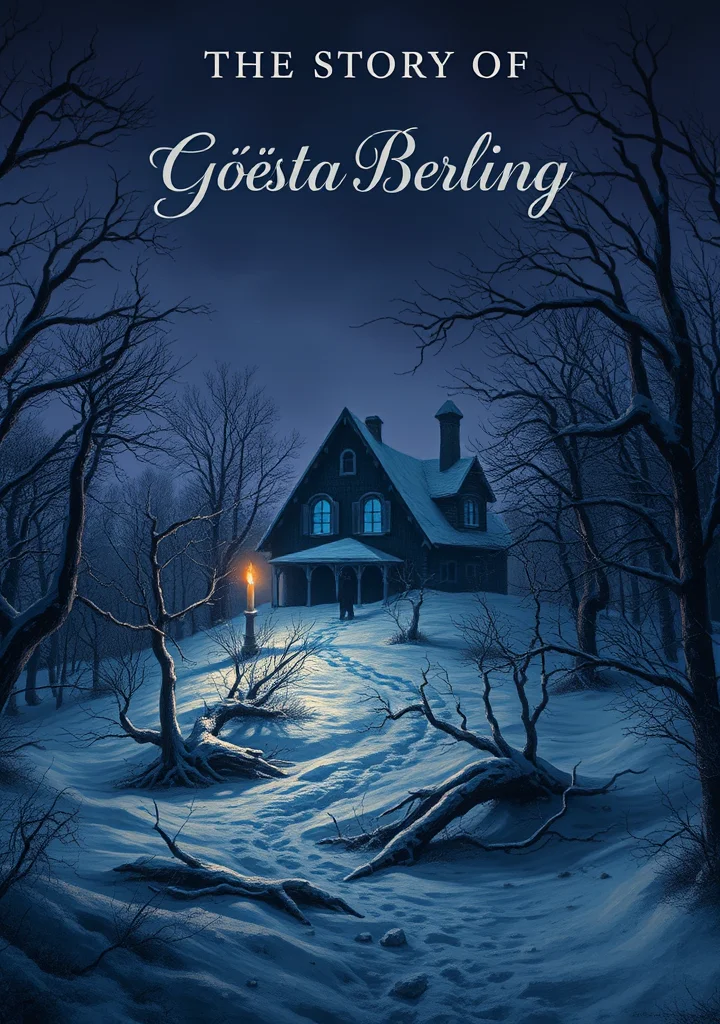
A perpetual twilight clings to the crumbling manors and shadowed forests of Värmland, where the legend of Gösta Berling unfolds. He is a ghost amongst the living, a disinherited nobleman drifting through the estates of his former masters, bound by a debt of storytelling to the aging, melancholic Ylva. Each tale he spins is a fragment of a fractured past—of forbidden loves, of battles lost and won in the hearts of men, of the spectral weight of ancestral sins. The air is thick with the scent of decaying grandeur, the rustle of secrets in long corridors, and the mournful howl of wolves mirroring the hunger within Gösta’s own soul. The narrative is less a linear progression than a haunting procession of characters—a spectral cavalcade of priests, peasants, and fallen aristocrats—each touched by Gösta’s wandering hand. Their lives intertwine and unravel amidst the harsh beauty of the Scandinavian landscape, stained crimson by autumn’s decay. A simmering, fatalistic romance blooms within the confines of Ylva's decaying manor, shadowed by the specter of Gösta's past and the encroaching darkness of a world indifferent to honor or grace. Every whispered confidence, every stolen glance, is laced with the premonition of tragedy—a world where salvation is a fragile illusion and the echoes of loss resonate through generations. The very stones of the estates seem to weep with forgotten grief, absorbing the stories Gösta tells until they become indistinguishable from the land’s own ancient sorrow.
49 Part
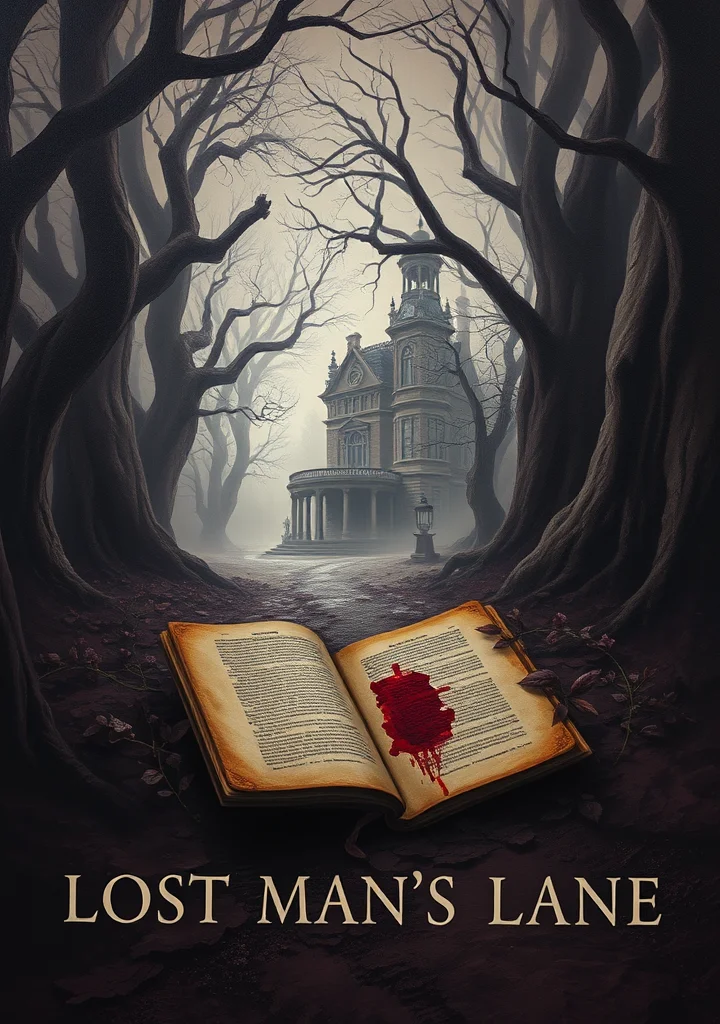
A suffocating mist clings to Lost Man’s Lane, a ribbon of shadowed dirt winding through the decaying grandeur of the Van Alstyne estate. The air hangs thick with the scent of damp earth and forgotten things – a perfume of regret and lingering dread. Here, amidst crumbling stone and overgrown ivy, a disappearance unravels not as a simple vanishing, but as a slow erosion of truth. The narrative unfolds in fragments, whispers overheard through warped floorboards and shadowed windows. Each encounter feels weighted with unspoken accusations, the very stones of the Van Alstyne manor seeming to observe with silent judgment. A claustrophobic sense of confinement pervades; not just of place, but of circumstance. The characters move like moths drawn to a flickering flame, each harboring secrets within their shadowed hearts. The Lane itself seems to breathe, exhaling fragments of the past, twisting the present into a macabre echo of former lives. The narrative is less a straightforward investigation and more a descent into a labyrinth of inherited despair, where the boundaries between victim and perpetrator blur in the gathering gloom. Every rustle of leaves, every creak of a weathered door, promises a revelation steeped in the rot of family legacy and the chilling weight of what remains unsaid. A sense of inescapable finality permeates the atmosphere, suggesting that some losses leave not only a void, but a haunting claim upon those left behind.