
Ravenclaw dan Malfoy
  • 8
  • 0
  • 4
  • Read 8
  • 0
  • Part 4
Ongoing, First published May 23, 2026

This novel follows Y/N Potter, a transfer student from Ilvermorny who unexpectedly finds herself sorted into Ravenclaw. The narrative traces her awkward interactions with fellow students, including a strangely intriguing Draco Malfoy, whose attempts to provoke a reaction consistently fail. Meanwhile, another Harry navigates frustrating comparisons to Harry Potter and a shared history with Sirius Black. As Y/N navigates Hogwarts, she finds herself preoccupied with thoughts of Malfoy, and her anxieties grow amidst encounters with familiar faces like Ron, Hermione, and the Weasley twins. These early chapters hint at emerging attractions and a growing sense of social discomfort.
Copyright: All Rights Reserved
No person is allowed to use, redistribute, or modify your work in any form without your explicit permission.
Recommended for you
129 Part
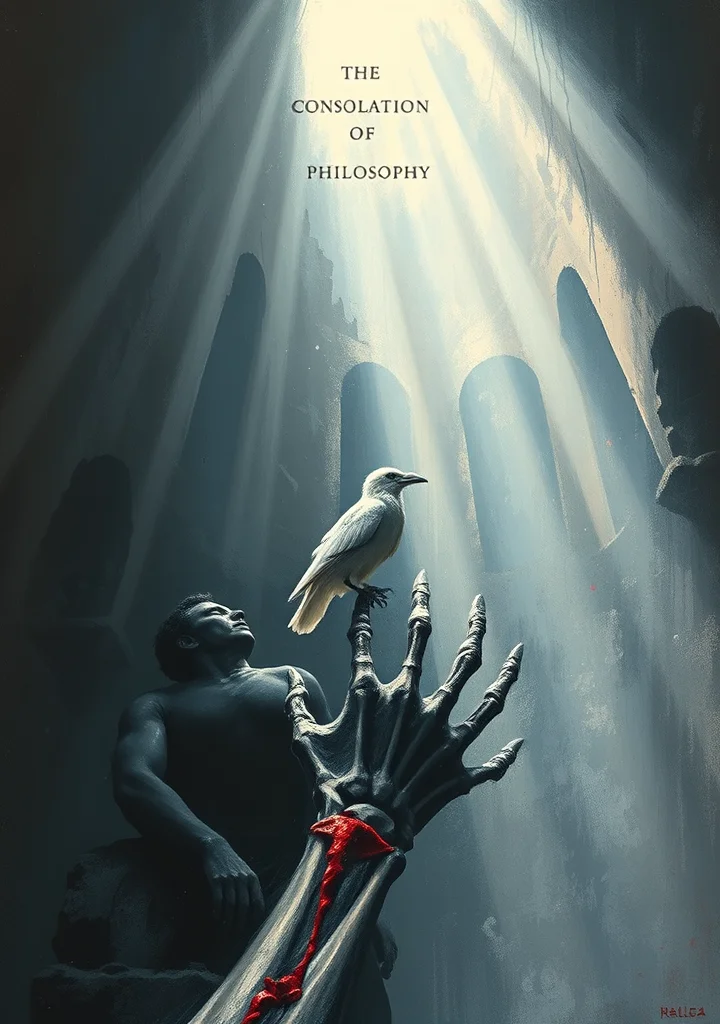
Dust motes dance in the fractured light of a crumbling tower, mirroring the fragments of a life shattered by exile and betrayal. Within these stone walls, a man—once a pillar of power, now stripped bare—grapples not with chains or bars, but with a grief that threatens to swallow him whole. He is haunted by the swift, cruel fall from grace, the whispers of accusations echoing in the hollows of his despair. But solace, or a twisted mockery of it, comes in the form of a spectral presence—Philosophy herself, a woman woven from starlight and sorrow, her voice a chilling balm against the wounds of the world. She leads him through labyrinthine corridors of thought, where reason battles with the phantom pain of loss. The air is thick with the scent of decay, both of the body politic and the soul. Visions of fortune’s wheel—a cruel, spinning device—loom large, showcasing the ephemeral nature of earthly power. Each argument, each carefully constructed verse, feels less like a comforting embrace and more like the cold touch of inevitability. The narrative is steeped in the grey of twilight, a perpetual autumn where every leaf falling is a reminder of what is lost. It is a meditation on the nature of good and evil, not as grand battles, but as insidious erosion, a slow poisoning of the spirit. The reader is drawn into a claustrophobic space where the only escape is through the labyrinth of the mind, where the architecture of despair is both beautiful and terrifying. Ultimately, the question lingers: is this consolation a true refuge, or merely a gilded cage built around a broken heart?
34 Part
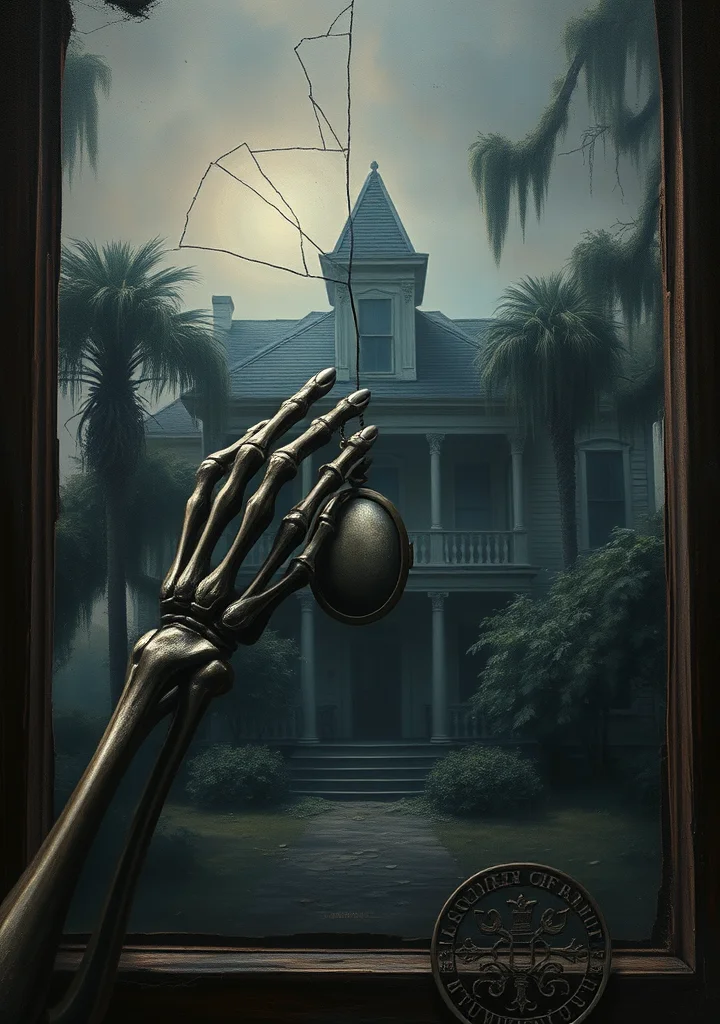
A suffocating humidity clings to the Louisiana sugarcane fields, thick as the bloodlines twisted by ownership. Clotel, born into a gilded cage of false promise, drifts through shadowed parlors and decaying grandeur, a living ghost haunting the periphery of white desire. The narrative unravels like Spanish moss from a crumbling portico, revealing a landscape not of romance, but of insidious ownership masquerading as affection. Each stolen glance, each whispered secret, festers in a world where beauty is a commodity, and a woman’s worth measured by the curve of her hip and the color of her skin. The story descends into a labyrinth of inherited sorrow, tracing the fractured lives of those deemed property, their identities splintered and sold with the auctioneer’s hammer. A pervasive dread bleeds from the pages—not of overt violence, but of a slow, insidious erosion of self, a haunting stillness punctuated by the crack of the whip and the stifled cries of the enslaved. Even as Clotel’s journey carries her across borders, into the heart of the nation’s capital, the weight of her past—and the chains that bind her—never fully lift. The narrative becomes a shadowed reflection of a nation built on stolen dreams, where escape offers only the illusion of freedom, and every sanctuary holds the scent of betrayal. The final chapters echo with the hollow resonance of loss, a descent into a darkness as complete as the burial of a forgotten name.