
Seoul Shadows
  • 4
  • 0
  • 1
  • Read 4
  • 0
  • Part 1
Completed, First published Jun 07, 2026

The novel *Seoul Shadows* follows Lee Y/N as she navigates complex relationships within her circle of friends – including members of Blackpink and BTS – and a complicated connection with Jeon Jungkook, whose family ties reach into Seoul’s criminal underworld. Early chapters reveal a fractured family history, with Y/N’s mother having fled a dangerous life connected to her father’s mafia involvement. As Y/N grapples with boredom and potential employment, unsettling currents emerge: shadowed figures conceal information, and deceptive conversations hint at hidden agendas and a search for a missing wife and daughter. The narrative traces a growing sense of unease as family secrets begin to surface.
Copyright: All Rights Reserved
No person is allowed to use, redistribute, or modify your work in any form without your explicit permission.
Recommended for you

38 Part
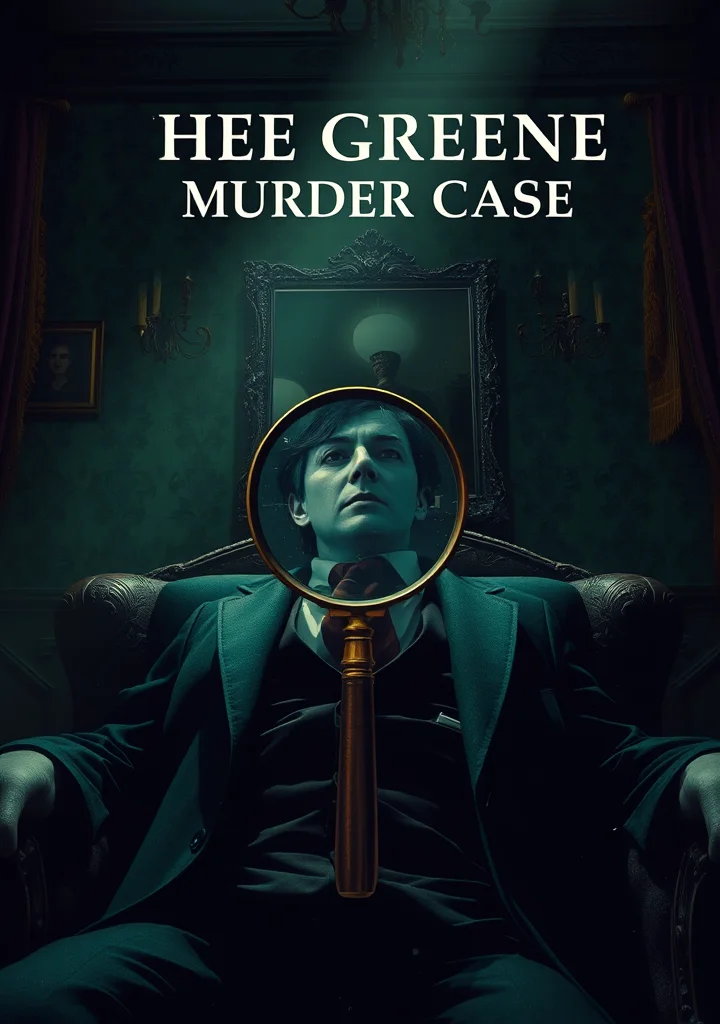
A suffocating fog clings to the opulent, yet decaying, mansions of post-war New York, mirroring the secrets festering within the Greene family. Within the suffocatingly ornate parlor, a labyrinth of shadowed furniture and dust-motes dancing in weak lamplight, lies the cold, rigid form of the millionaire, Simon Greene. The air itself tastes of old money, bitter regret, and the metallic tang of recent violence. Every polished surface reflects a fractured glimpse of the household—a brittle matriarch draped in mourning silks, a volatile son haunted by gambling debts, a niece with eyes like chipped emeralds, and a devoted secretary who whispers too softly to be believed. The investigation unravels not as a hunt for a killer, but as an excavation of a family’s rot. Each room breathes with suppressed resentments, each object—a misplaced letter, a chipped porcelain doll, a forgotten scent—becomes a morbid clue in a danse macabre of deceit. The narrative clings to the shadows like a creeping vine, thickening with the weight of unspoken accusations and the suffocating pressure of societal expectations. A relentless, almost clinical unraveling of alibis occurs, but the true horror isn't the method of murder, but the chilling realization that every member of this gilded cage possessed both motive and opportunity, their lives woven into a tapestry of suffocating desperation. The Greene house itself is a silent witness, its very architecture seeming to conspire to keep its secrets buried beneath layers of privilege and decay.
19 Part
Beneath the sun-bleached stones of Sicily, a shadow descends. Not of bandits or political intrigue, but a creeping dread woven into the very fabric of ancient villas and crumbling chapels. The narrative unfolds within a labyrinth of sun-drenched courtyards concealing forgotten histories, and the scent of jasmine masking the rot of decaying grandeur. A young Englishwoman, adrift in a land of simmering passions and veiled secrets, finds herself drawn into a family’s fractured legacy—a legacy haunted by whispers of a tragic past. The air hangs thick with the weight of unfulfilled desires, and the heat breeds not just fever, but a suffocating claustrophobia. Each crumbling archway seems to observe, each darkened corridor to breathe with the ghosts of those who succumbed to melancholy. The landscape itself becomes a character—a brutal beauty that both lures and threatens. A slow unraveling of the heroine’s composure occurs as she navigates a treacherous dance between duty and desire, guided by a charismatic nobleman whose own shadow-self is barely contained. The romance, as it blooms, is laced with the venom of suspicion. Every stolen glance, every whispered confession, is shadowed by the possibility of deception. The story is less about the passion between two souls, and more about the suffocating atmosphere that threatens to swallow them both—a suffocating atmosphere born of isolation, ancient curses, and the slow, insidious decay of a noble line. The Sicilian soil itself seems to drink the light, leaving only an eternal twilight clinging to the heart of the story.
6 Part
A creeping dread clings to the shadowed streets of Paris, mirroring the decay within Béatrix’s very soul. Balzac doesn’t offer romance, but a slow, exquisite unraveling. The narrative coils around a young woman whose beauty is a fragile inheritance, purchased with a desperate bargain struck against a creeping, inherited malady. Her existence is a gilded cage, gilded with the sickly sheen of ambition and financed by a husband whose affections are as cold as the marble of his ancestral estate. The air within is thick with the scent of decaying fortunes, whispered debts, and the suffocating weight of societal expectation. Each gesture, each calculated smile, feels less like living and more like a performance staged for a ravenous audience. A pervasive sense of rot permeates every scene, not merely in the crumbling grandeur of the homes but in the hearts of those who inhabit them. The novel doesn't reveal monsters in the darkness, but exposes the monstrous compromises made in the light. The narrative is less concerned with what happens *to* Béatrix than with the subtle erosion of her spirit, a fading luminescence devoured by the insatiable hunger of the Parisian elite. It’s a story of exquisite confinement, where the only escape is a descent into a darkness more profound than the illness that threatens to consume her. The shadows lengthen, and with each passing chapter, one feels the tightening grip of a fate far more sinister than mere mortality.