
-
Read 99
-
0
-
Part 2
Completed, First published Mar 02, 2026
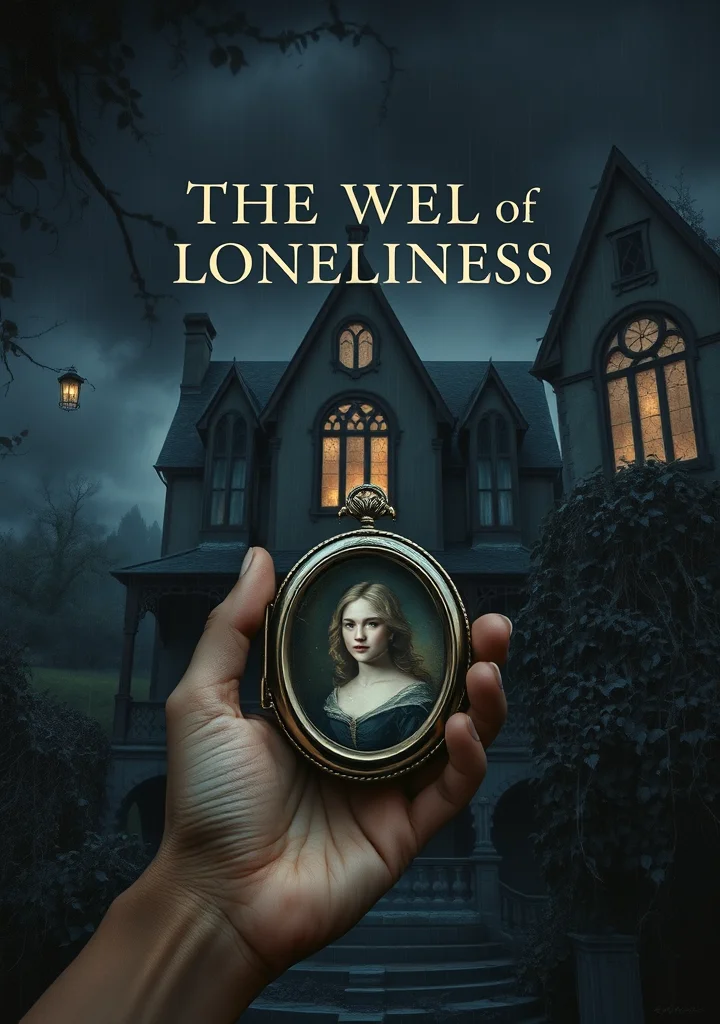
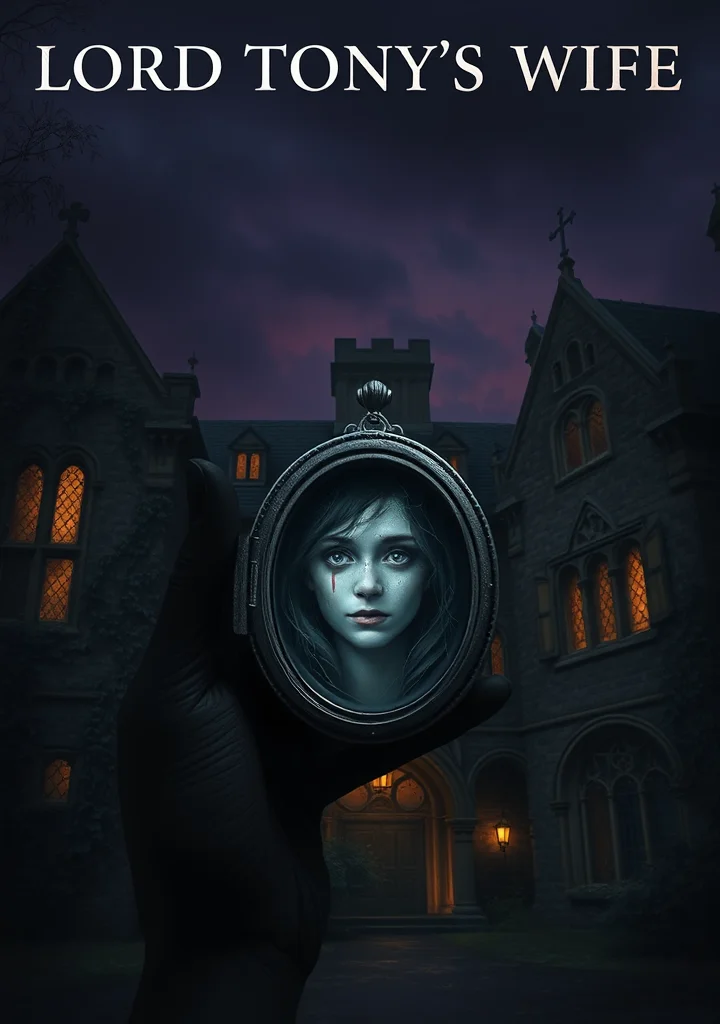
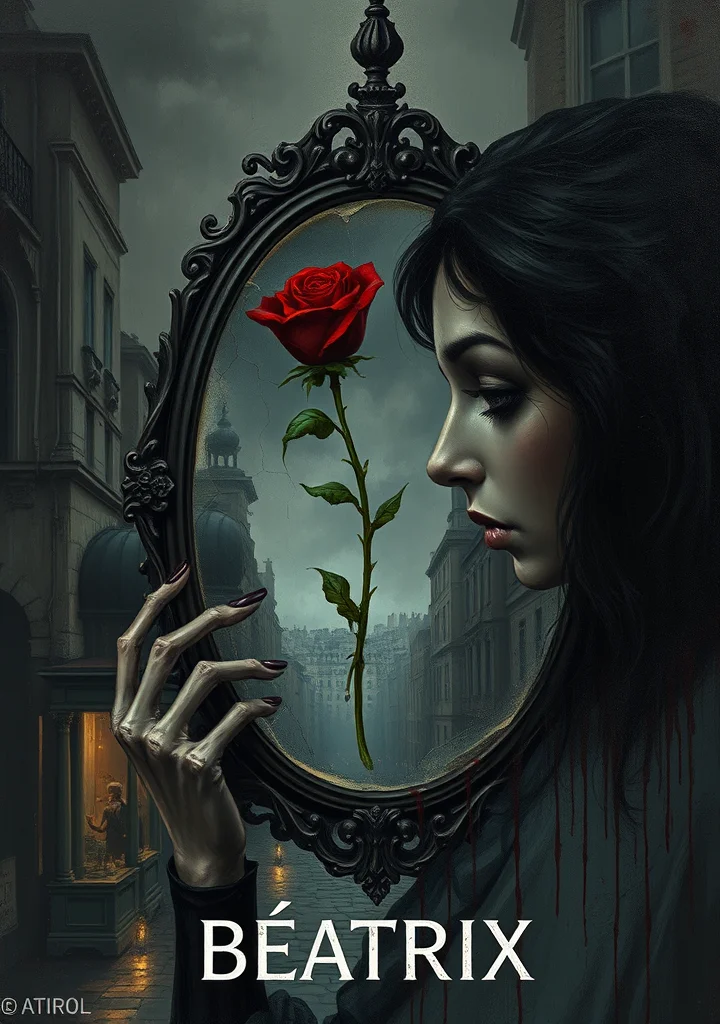
A creeping dread clings to the shadowed streets of Paris, mirroring the decay within Béatrix’s very soul. Balzac doesn’t offer romance, but a slow, exquisite unraveling. The narrative coils around a young woman whose beauty is a fragile inheritance, purchased with a desperate bargain struck against a creeping, inherited malady. Her existence is a gilded cage, gilded with the sickly sheen of ambition and financed by a husband whose affections are as cold as the marble of his ancestral estate.
The air within is thick with the scent of decaying fortunes, whispered debts, and the suffocating weight of societal expectation. Each gesture, each calculated smile, feels less like living and more like a performance staged for a ravenous audience. A pervasive sense of rot permeates every scene, not merely in the crumbling grandeur of the homes but in the hearts of those who inhabit them.
The novel doesn't reveal monsters in the darkness, but exposes the monstrous compromises made in the light. The narrative is less concerned with what happens *to* Béatrix than with the subtle erosion of her spirit, a fading luminescence devoured by the insatiable hunger of the Parisian elite. It’s a story of exquisite confinement, where the only escape is a descent into a darkness more profound than the illness that threatens to consume her. The shadows lengthen, and with each passing chapter, one feels the tightening grip of a fate far more sinister than mere mortality.
Copyright: Public Domain
This license allows anyone to use your story for any purpose, including printing, selling, or adapting it into a film freely.
This license allows anyone to use your story for any purpose, including printing, selling, or adapting it into a film freely.
Chapter List
More like this