
Shadows and Messages
  • 44
  • 0
  • 9
  • Read 44
  • 0
  • Part 9
Completed, First published May 14, 2026

The narrative traces a young woman’s frustrations navigating complex social dynamics within her school and relationships. As Chloe attempts to tolerate her boyfriend’s arrogant friends, a more unsettling mystery begins to unfold. Cryptic messages from an unknown number hint at hidden truths about Mark, fueling Chloe’s suspicion and anxiety. These chapters reveal a mounting sense of unease as unwanted advances and veiled warnings surface, leaving Chloe questioning her trust and bracing for a revelation that could shatter her perceptions. The story unfolds with a growing sense of suspense and uncertainty.
Copyright: All Rights Reserved
No person is allowed to use, redistribute, or modify your work in any form without your explicit permission.
Recommended for you
28 Part
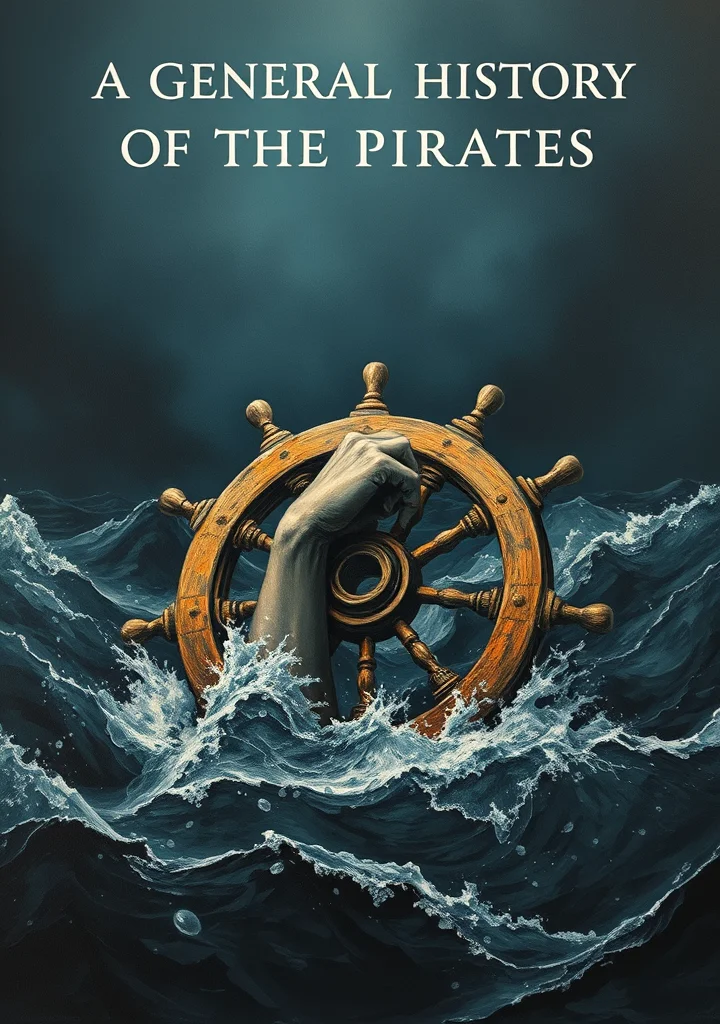
Salt-laced winds whisper through rigging stiff with brine, carrying tales not of glory, but of rot and ruin clinging to the splintered decks of forgotten vessels. This is not a chronicle of swashbuckling adventure, but a descent into the shadowed heart of the pirate world – a world where ambition is measured in the weight of gold and the slow drip of blood on stained canvas. Johnson’s history doesn’t celebrate, it *exposes*. Each captain is a phantom haunting the Caribbean, driven by avarice and shadowed by the ghosts of their victims. The pages reek of gunpowder and decay, filled with accounts of mutiny blossoming in the humid dark of ship holds, of marooned men gnawing on desperation, and the cold calculus of survival amongst men who’ve traded their souls for a share of plunder. It’s a history built on the fractured confessions of those who lived beyond the law, their voices echoing from the gallows and the fever-soaked jungles. But more than just recounting deeds, Johnson unveils the architecture of a pirate’s mind – the brutal pragmatism, the simmering paranoia, the terrifying ease with which they embraced violence as a currency. The sea itself becomes a character, a vast, indifferent judge presiding over a kingdom built on treachery and sustained by the desperate cries of men swallowed by the black maw of the ocean. It’s a history less of pirates *doing*, and more of them *becoming* – monstrous reflections in the storm-wracked mirror of a lawless age. A darkness clings to every name, every port, every captured vessel – a darkness that lingers long after the last cannon shot fades into the salt spray.
10 Part
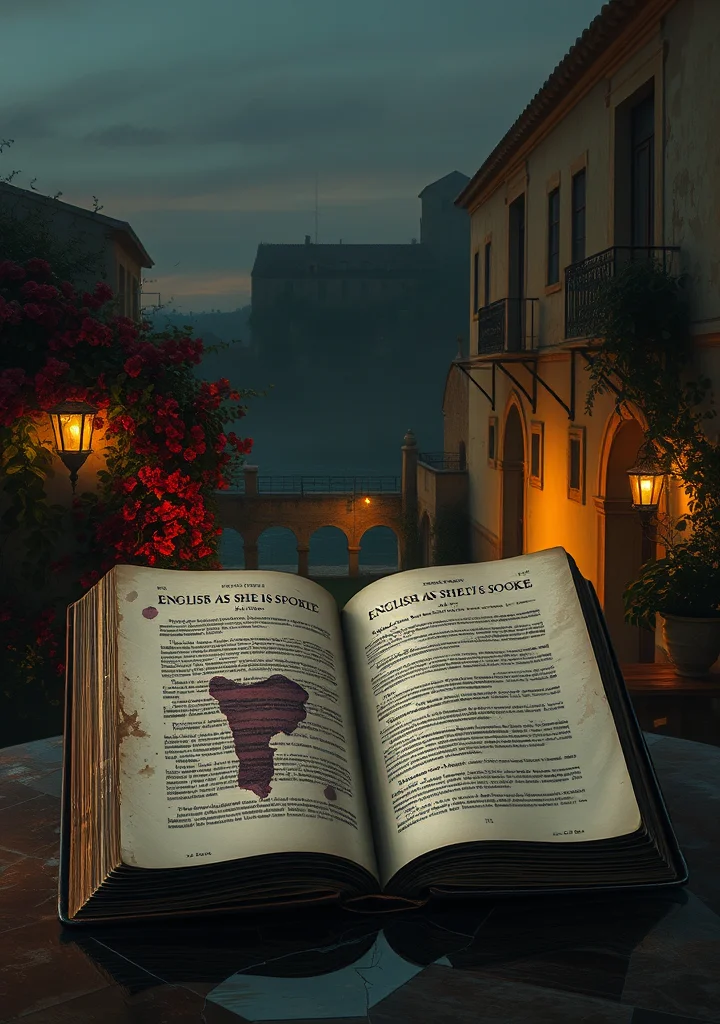
A suffocating heat clings to the Portuguese coast, mirroring the stifled ambitions and decaying grandeur within the crumbling estates. This is a land where translation is not merely linguistic, but of souls – where the very act of speaking fractures identity. The narrative unfolds through a haze of humid nights and the relentless drone of cicadas, a fever dream of miscommunication and simmering resentment. Every phrase, every misplaced comma in the titular lexicon, becomes a weapon wielded by the disenfranchised, a subtle sabotage against the colonial power that dictates their very tongues. Shadows stretch long from the whitewashed buildings, concealing not just illicit liaisons but the creeping rot of a society built on borrowed language. The air itself is thick with the scent of jasmine and desperation, laced with the metallic tang of unfulfilled desires. A claustrophobic sense of surveillance pervades, not from visible guards but from the insidious awareness that every utterance is parsed, every inflection judged. The story breathes with the slow, deliberate pace of a decaying bureaucracy, where each attempt at clarity only deepens the mire of misunderstanding. It’s a world where silence is a luxury few can afford, and where even the most ardent declarations of love are warped by the insidious demands of a foreign tongue. The novel’s unease doesn't lie in dramatic outbursts, but in the insidious erosion of meaning itself, leaving readers adrift in a sea of fractured syntax and unspoken dread.
297 Part
A descent into shadowed valleys where morality itself is a crumbling edifice. The air hangs thick with the scent of decay, not of flesh, but of belief. This is a landscape carved from the obsidian of doubt, where the sun bleeds into a perpetual twilight and the echoes of forgotten gods whisper through fractured minds. It isn’t a story of villains to be vanquished, but of masks discarded, revealing the cold, magnificent indifference beneath. Each chapter unfolds like a slow unraveling—a descent not into sin, but beyond its very definition. The narrative clings to the jagged edges of reason, tracing the contours of a will to power that consumes not with fire, but with a glacial, irresistible logic. Shadows stretch from the ruins of old values, twisting into monstrous forms born of ambition and ressentiment. There are no heroes here, only climbers scaling the precipice of their own self-overcoming, their hands stained with the dust of shattered idols. The silence between the lines is a vast, echoing chasm—a void mirroring the abyss within each self-proclaimed ‘good’ man. It’s a chronicle of becoming, of forging a new dawn from the embers of a dying world, a world where the only truth is the will to create, to destroy, to *become* beyond the shackles of pity and remorse. The landscape is one of perpetual internal warfare, where the battlefield is the self, and the stakes are nothing less than the remaking of existence itself.