
The Dark Other
  • 184
  • 0
  • 33
  • Reads 184
  • 0
  • Part 33
Completed, First published Mar 02, 2026

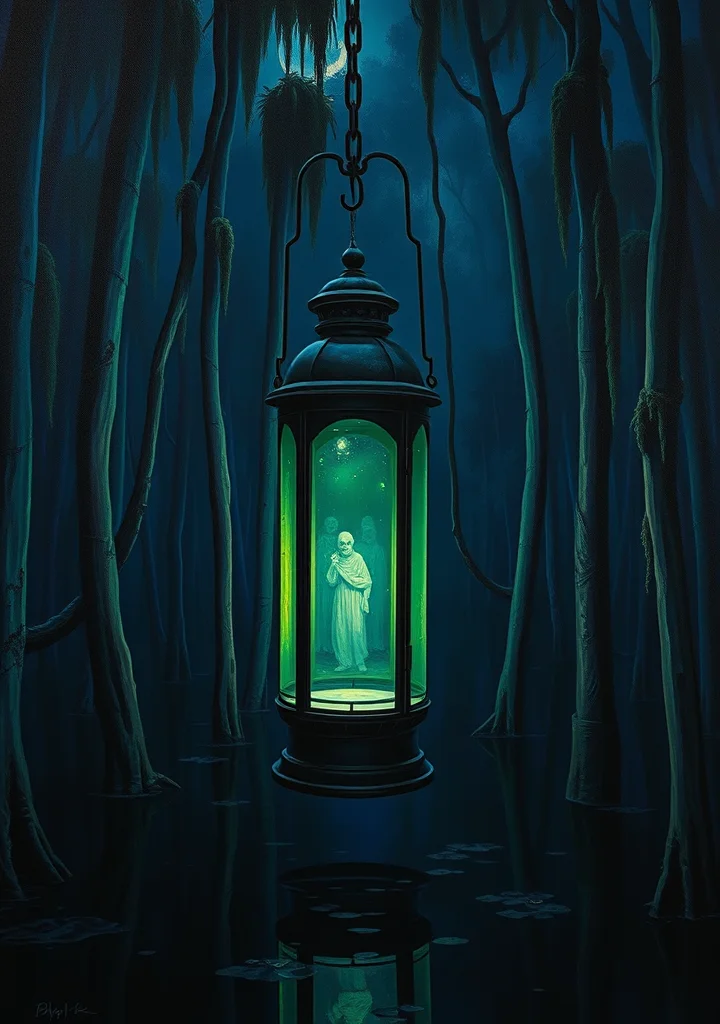
A creeping dread clings to the Louisiana bayou as Elias Thorne, a man haunted by shadows of his own making, investigates the disappearance of a Creole woman rumored to walk between worlds. Weinbaum weaves a suffocating atmosphere of Spanish moss and decay, where the humid air tastes of rot and whispered secrets. Thorne’s pursuit leads him not to a missing person, but to a fractured reality—a place where the veil thins and the ‘Dark Others’ bleed into our world. The narrative unfolds in fragmented glimpses of ritualistic carvings, forgotten parishes, and the unnerving stillness of swamp creatures observing from the murky depths. Each step deeper into the bayou feels like a descent into madness, fueled by the hypnotic rhythm of voodoo drums and the gnawing suspicion that Thorne is being watched by something ancient, something hungry. The story is less about *what* happened, and more about the insidious unraveling of sanity as the boundaries between the living and the dead, the real and the imagined, dissolve into a suffocating, verdant nightmare. It’s a world where the darkness doesn’t just exist *in* the swamp, but *is* the swamp—a living, breathing entity consuming all who dare to look too closely.
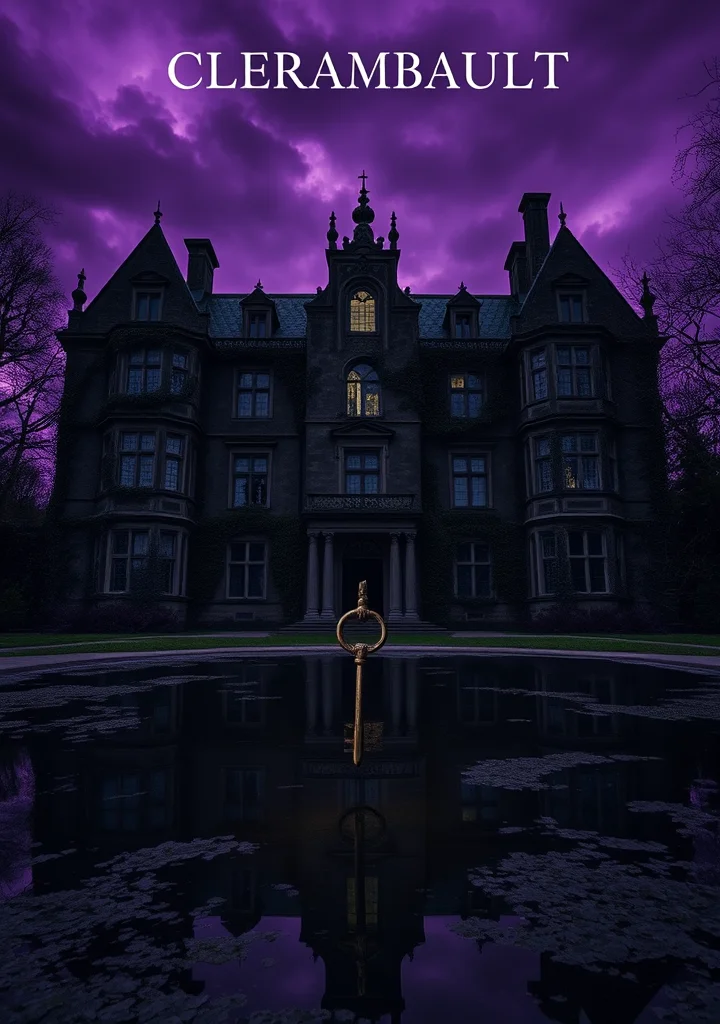
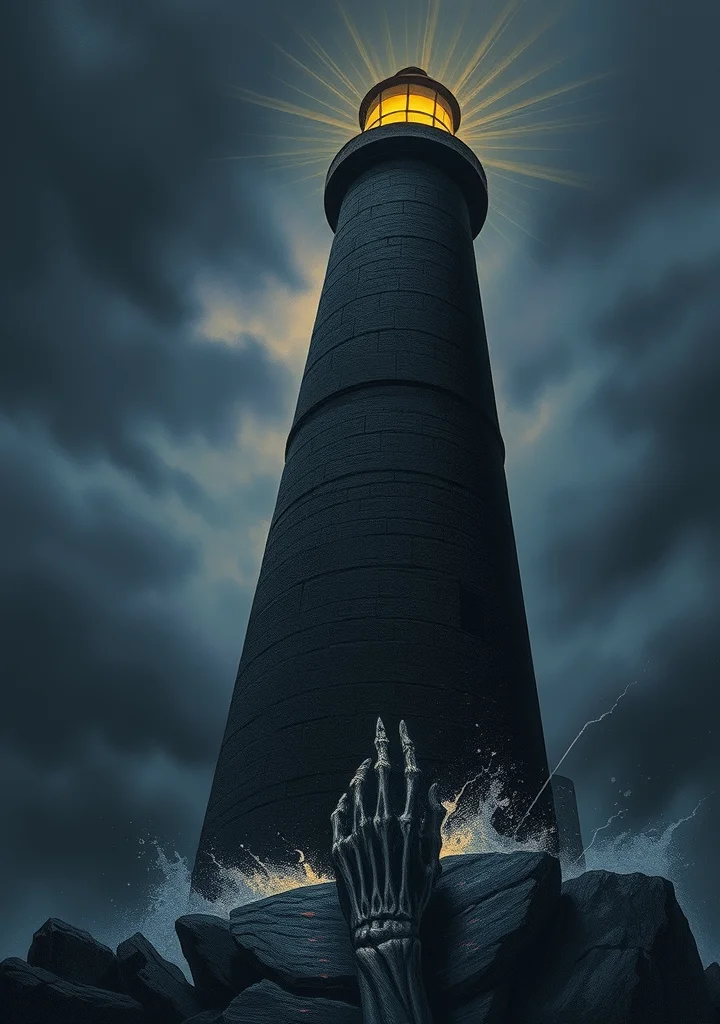
Copyright: Public Domain
This license allows anyone to use your story for any purpose, including printing, selling, or adapting it into a film freely.
Recommended for you
71 Part
The air hangs thick with dust and the scent of decay, clinging to the shadowed corners of a decaying manor house. Within, a life unfolds not as a grand narrative, but as a series of fragmented recollections – whispers of a man diminished, both physically and in stature, swallowed by the suffocating grandeur of his ancestral home. The narrative coils like ivy around crumbling stone, a slow, deliberate unveiling of isolation. Each memory is a chipped porcelain doll, beautiful yet fractured, reflecting a childhood steeped in morbid fascination and the stifled resentment of those who towered above him. The prose is a draught from a forgotten cellar, laced with the chill of loneliness. Sunlight feels like an intrusion, unwelcome on skin that has grown accustomed to perpetual twilight. The reader is not merely told of the man’s smallness, but *feels* it – the weight of averted gazes, the echoing emptiness of rooms too vast for his presence, the insidious erosion of self-worth. The house itself breathes, a living thing that both protects and imprisons. The garden, overgrown and feral, mirrors the tangled, thorny emotions within. A palpable sense of dread permeates every chapter, not from external horrors, but from the creeping rot of a soul consumed by its own quiet desperation. It is a haunting, not of ghosts and ghouls, but of the hollow ache of being unseen, unheard, and utterly alone in a world built for giants. The final pages feel like a descent into a suffocating darkness, where the only sound is the fading echo of a life lived beneath the shadow of its own making.
117 Part
A perpetual twilight clings to Blackwood Grange, mirroring the shadowed corners of Lady Eleanor’s heart. Married to the infamous Lord Tony, a man whispered to have dealings with shadows and debts owed in crimson, she finds herself a gilded cage within his ancestral estate. The air hangs thick with the scent of decay – not just of crumbling stone and overgrown gardens, but of promises broken and lives forfeit. Each echoing footstep in the vast, labyrinthine halls hints at a history of betrayal, while the portraits lining the gallery seem to watch Eleanor’s descent into a chilling awareness of her husband’s true nature. A creeping dread permeates every room, woven into the very fabric of the house; a dread born not of ghostly apparitions, but of the suffocating weight of secrets held too long. The moorland surrounding Blackwood Grange breathes with a cold, hungry wind, carrying fragments of rumors and the cries of those lost to Lord Tony’s machinations. Eleanor is trapped within a suffocating elegance, where every smile feels like a calculated threat and every shadow a potential witness to her unraveling. The narrative unfolds like a slow poison, drawing the reader into a suffocating atmosphere of suspicion, where love is measured in bartered favors and loyalty is purchased with blood. The very stones of Blackwood Grange seem to weep with the despair of those who dared to cross Lord Tony’s path, and Eleanor’s fate hangs precariously balanced upon a single, unraveling thread of hope.
36 Part
A creeping chill settles over the brownstone facades of New York, mirroring the slow, insidious decay of innocence within Catherine Sloper. The air hangs heavy with unspoken anxieties, thick with the scent of decaying roses and the hushed judgments of a society obsessed with pedigree. Every shadowed corner of Washington Square seems to breathe with the weight of expectation, a gilded cage designed to stifle the blossoming spirit of a woman deemed plain, practical, and possessed of a fortune too easily coveted. A suffocating inheritance becomes a cage of observation, where every glance, every calculated kindness, is a transaction in the currency of social climbing. The narrative unfolds as a slow, deliberate unraveling—a dance between perception and reality, shadowed by the predatory gaze of a man whose motives are as labyrinthine as the wrought iron gates guarding the square. A haunting sense of isolation permeates the story, clinging to the damp cobblestones and echoing in the cavernous parlors. It is a world rendered in shades of grey—the grey of dust motes dancing in sunbeams, the grey of faded portraits mirroring past failures, the grey of a heart slowly calcifying beneath layers of constraint. The very architecture seems to conspire to trap Catherine within a suffocating cycle of appraisal, and the final, desolate revelation will leave a residue of unspoken grief clinging to the reader long after the final page is turned. It is a portrait of a life lived not within warmth and light, but within the glacial shadow of expectation.