
Luces de escenario y tequila
  • 8
  • 0
  • 3
  • Read 8
  • 0
  • Part 3
Ongoing, First published May 24, 2026

The narrative traces an evening unfolding for Louis and his friend Niall, drawn to a dimly lit bar by the promise of live music. Initial frustration gives way to intrigue as Louis finds himself unexpectedly captivated by a band’s lead singer. Subsequent chapters reveal a lively dynamic between Louis and Niall, fueled by tequila and playful banter. Niall’s enthusiastic attempts to nudge Louis toward a connection with the singer, Harry, are complicated by Louis’s own anxieties and awkwardness. The story unfolds through nervous anticipation and comedic mishaps as Louis navigates a tentative conversation with Harry himself.
Copyright: All Rights Reserved
No person is allowed to use, redistribute, or modify your work in any form without your explicit permission.
Recommended for you
26 Part
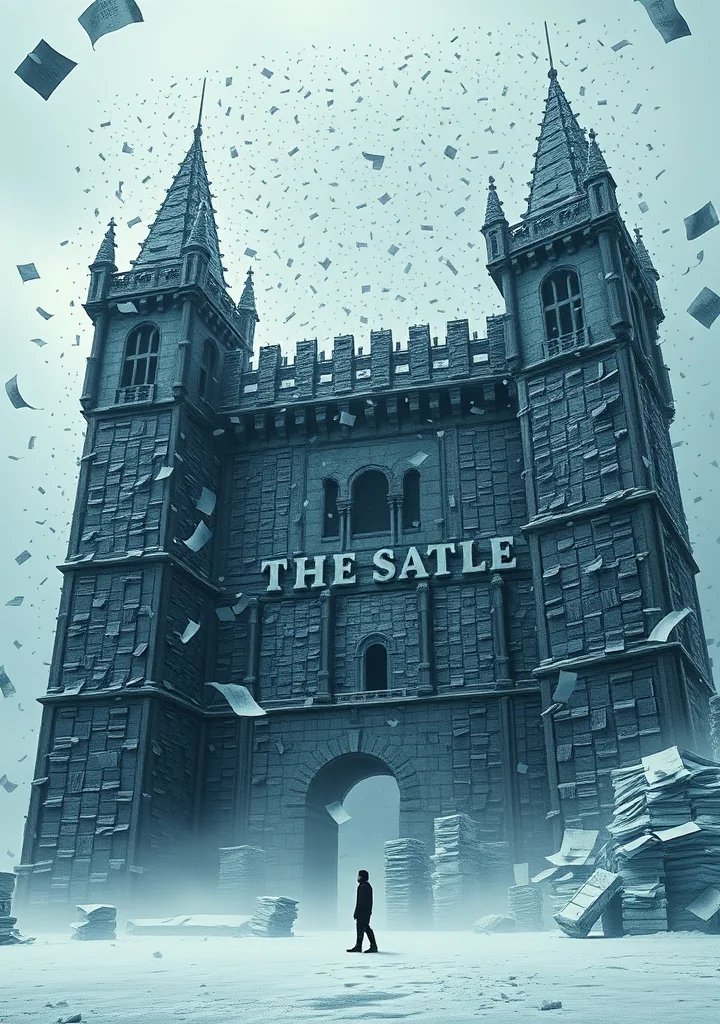
A creeping dread emanates from the snow-blinded peaks surrounding the Castle, a fortress not of stone and mortar but of suffococating bureaucracy and fractured logic. The protagonist, nameless and adrift, is drawn into its labyrinthine corridors not by invitation, but by an insidious compulsion, a need to understand its impossible laws. Each attempt to reach its masters, the unseen Archduke and his attendants, is met with echoing silence, mirrored by the villagers who speak of the Castle only in hushed, fearful whispers. The landscape itself is a character – a perpetual twilight descends, smothering the world in a gray, suffocating weight. Rooms stretch into impossible distances, hallways twist into mirroring repetitions, and the very architecture seems designed to frustrate comprehension. The air is thick with the scent of damp stone and decaying paper, a testament to decades of unfulfilled petitions. A pervasive sense of futility clings to every interaction. The Castle’s inhabitants, pale and withdrawn, engage in rituals of pointless administration, their faces etched with a hollow resignation. Hope is not extinguished, but slowly eroded, replaced by a gnawing awareness of one’s own insignificance within a system that exists solely to perpetuate its own obscurity. The narrative unfolds as a descent into a waking nightmare, a prison built not of bars, but of endless, incomprehensible protocols. The Castle isn’t merely a location; it’s a symptom of a deeper, unknowable malaise, an infection of the soul.
75 Part
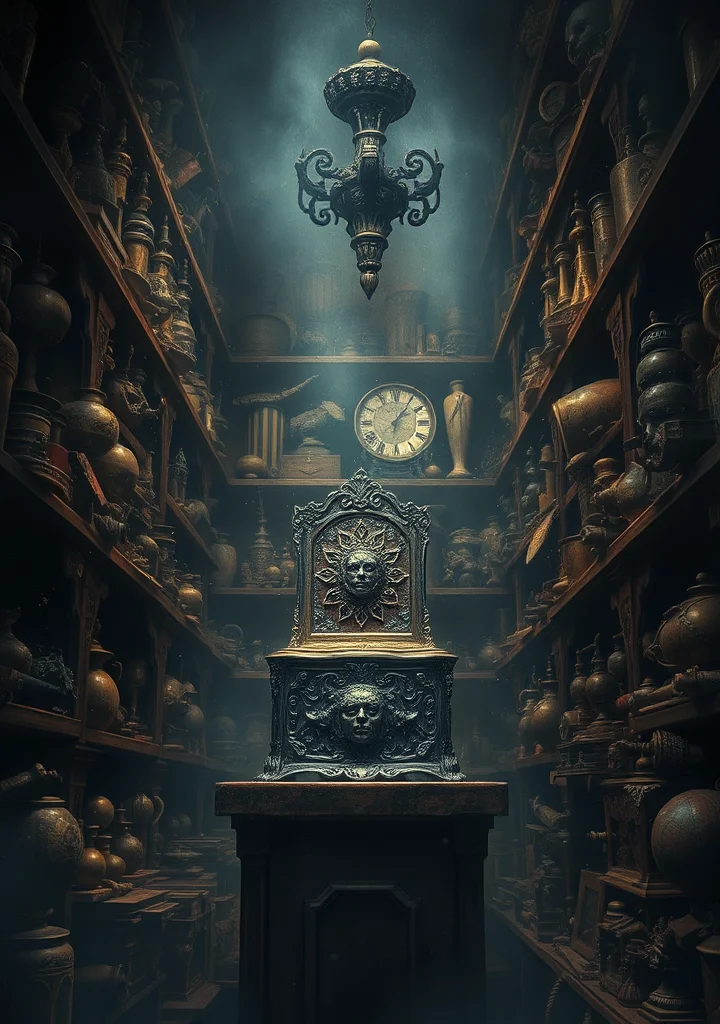
Dust motes dance in perpetual twilight within the rambling, suffocating confines of the Old Curiosity Shop, a place where time itself seems to fray at the edges. The air hangs thick with the scent of decay and forgotten dreams, clinging to the warped timbers and shadowed corners. A suffocating weight of secrets presses down, mirroring the burden carried by little Nell, a fragile bloom wilting under the gaze of avarice. The shop’s labyrinthine depths swallow light, revealing glimpses of grotesque relics—grimacing masks, tarnished silver, and the hollow eyes of forgotten dolls—each a silent witness to generations of loss. A creeping dread seeps from the very stones, fueled by the malevolent presence of Quilp, a creature born of spite and fueled by cruelty. The narrative unfolds not as a journey, but as a descent, spiraling deeper into a labyrinth of shadowed alleys and decaying grandeur. London itself breathes with a feverish pulse, a city of echoing footfalls and whispered conspiracies. Every encounter is veiled in ambiguity, every kindness shadowed by the looming threat of betrayal. The oppressive atmosphere is less a setting, and more a character—a suffocating entity that threatens to consume Nell and all she holds dear within its suffocating embrace. The antique objects are not merely curiosities, but fragments of fractured souls, each holding a piece of the shop’s decaying history. It is a world where innocence is a fragile currency, and darkness preys on the edges of hope.
36 Part
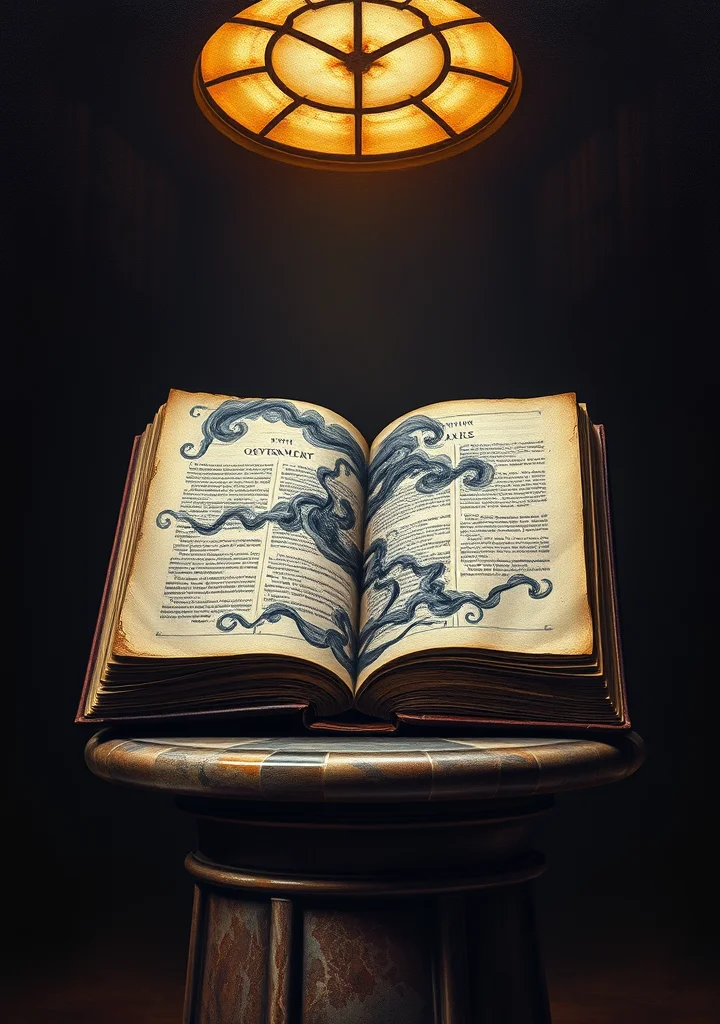
A creeping dread settles amidst the shadowed halls of reason. Locke’s treatises are not merely political arguments, but the cold, meticulous charting of a soul’s decay as it abandons divine right for the brittle embrace of individual will. The very air thickens with the scent of damp parchment and the phantom weight of relinquished authority. Each page feels less a declaration of liberty and more a testament to the fracturing of the ancient order—a splintering of the celestial hierarchy that births a hollow, echoing freedom. The gardens of natural law are overgrown with thorns of self-interest, and the estate of property is haunted by the spectral claims of those who once held dominion through grace. A pervasive unease clings to the text, suggesting that the contract, once sealed with blood and promise, now bleeds a slow poison into the foundations of society. The specter of rebellion, a gaunt figure glimpsed in the periphery of Locke’s measured prose, suggests a final, desperate act of severance—a severance not merely from the Crown, but from the very fabric of a world understood through faith. The silence following each assertion is not one of clarity, but of a widening abyss. It is a silence where the whispers of forgotten gods mingle with the rasping breaths of those who would forge a new world from the wreckage of the old, and it is a silence that promises only the chill of an unyielding, self-made winter. The treatise is a mausoleum built not of stone, but of ideas, and the air within is heavy with the dust of lost illusions.