A Queda Estelar e Sombras
  • 12
  • 0
  • 5
  • Read 12
  • 0
  • Part 5
Ongoing, First published May 23, 2026

Este romance traça relações forjadas em meio a conflitos e vulnerabilidades. A narrativa se abre para momentos tensos de isolamento e tristeza enquanto os personagens navegam fronteiras pessoais e oferecem conforto uns aos outros. Dentro do grupo, o apoio emocional se mostra crucial, particularmente após um argumento angustiante. Em outros lugares, a preocupação se inflama quando um personagem é atacado, levando instintos protetores e carinho. Esses capítulos também revelam conexões inesperadas florescendo através de momentos compartilhados - música, companheirismo silencioso e uma crescente intimidade em meio a circunstâncias turbulentas..
Copyright: All Rights Reserved
No person is allowed to use, redistribute, or modify your work in any form without your explicit permission.
Recommended for you

18 Part
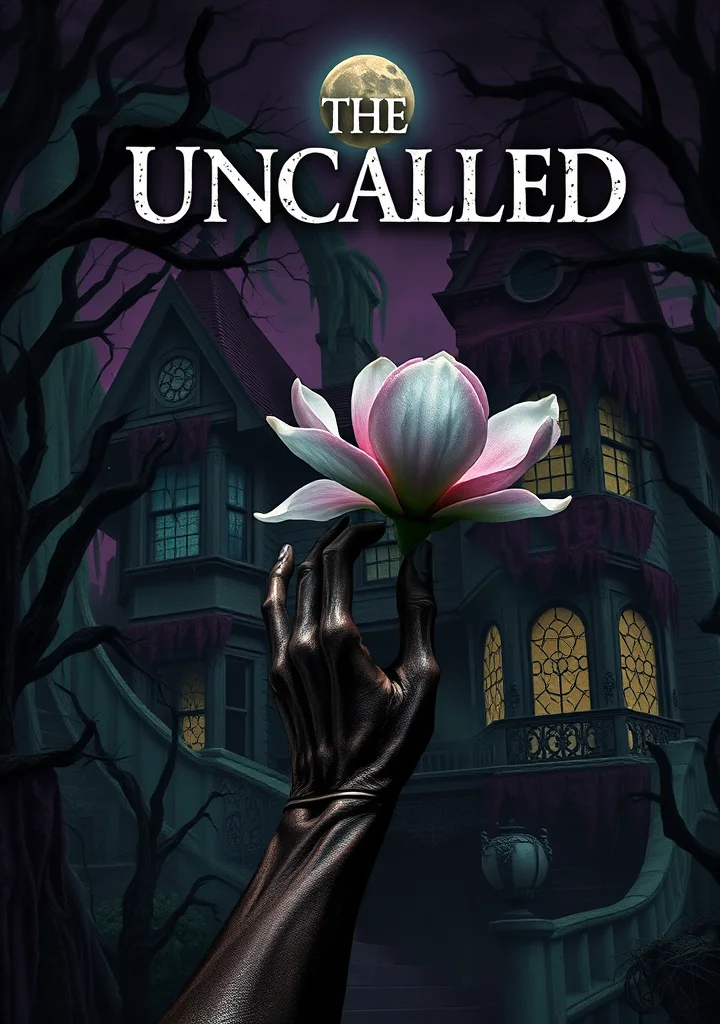
Dust hangs thick in the hollows of Havenwood, clinging to the shadowed eaves and rotting lace of the old Dunbar place. The air itself tastes of iron and regret, a perpetual twilight bleeding from the cypress swamps surrounding the crumbling mansion. Here, secrets aren’t whispered, they are *felt*—pressed against your skin like a cold hand, rising from the earth with the scent of magnolia and decay. Old Man Dunbar, they say, didn't die of fever, but of something *called* to him from the bayou, something hungry for the living breath of the house. His son, the narrator, returns to settle the estate, only to find Havenwood less a home and more a tomb, echoing with the phantom cries of those who vanished into the swamp’s embrace. Every floorboard groans with unseen footsteps, every window pane reflects a face not his own. The darkness isn't merely absence of light; it’s a presence—a suffocating weight of memory and malice. He discovers a lineage steeped in shadowed bargains, a pact made with the swamp's ancient heart. The further he delves into his father's final days, the more Havenwood seems to breathe with a life of its own, drawing him into the mire of its history. The uncalled come not as specters, but as whispers in the reeds, as faces in the water, as the slow, creeping rot that consumes all things left too long in the shadow of Havenwood. The swamp doesn’t just claim its victims; it *remembers* them, weaving their despair into the very fabric of the house, until the line between the living and the lost dissolves entirely.
30 Part
A suffocating dread clings to the timbers of the *Grampus*, and spills onto the icy shores of the Antarctic. Poe’s narrative isn’t merely a voyage; it’s a descent into the marrow-deep loneliness of the human condition. The narrative unravels not with grand spectacle, but with the slow, creeping rot of despair. Arthur Gordon Pym’s tale is one of escalating claustrophobia—first within the confines of a mutinous whaling vessel, then within the suffocating embrace of a desolate, white wilderness. The prose itself mimics the fracturing of Pym’s sanity. Sunken landscapes of feverish delirium rise from the pages, populated by phantom cannibals and the oppressive weight of unnameable horrors. The reader is not shown a monster, but *feels* it lurking in the ship’s hold, in the lengthening shadows of the Southern seas, in the echoing silence of the final, obsidian-walled chamber. The narrative’s true horror isn’t found in what is described, but in what remains stubbornly *unseen*—the vast, echoing emptiness beyond reason, the encroaching madness mirrored in the increasingly fractured narrative, and the chilling realization that Pym’s salvation may be a fate far more terrible than death itself. A suffocating atmosphere of isolation, punctuated by the chilling whisper of the unknown, permeates every line, leaving the reader adrift on a sea of dread, haunted by the echoes of a descent into the abyss.