
The Narrative of Arthur Gordon Pym of Nantucket
  • 213
  • 0
  • 30
  • Reads 213
  • 0
  • Part 30
Completed, First published Mar 02, 2026

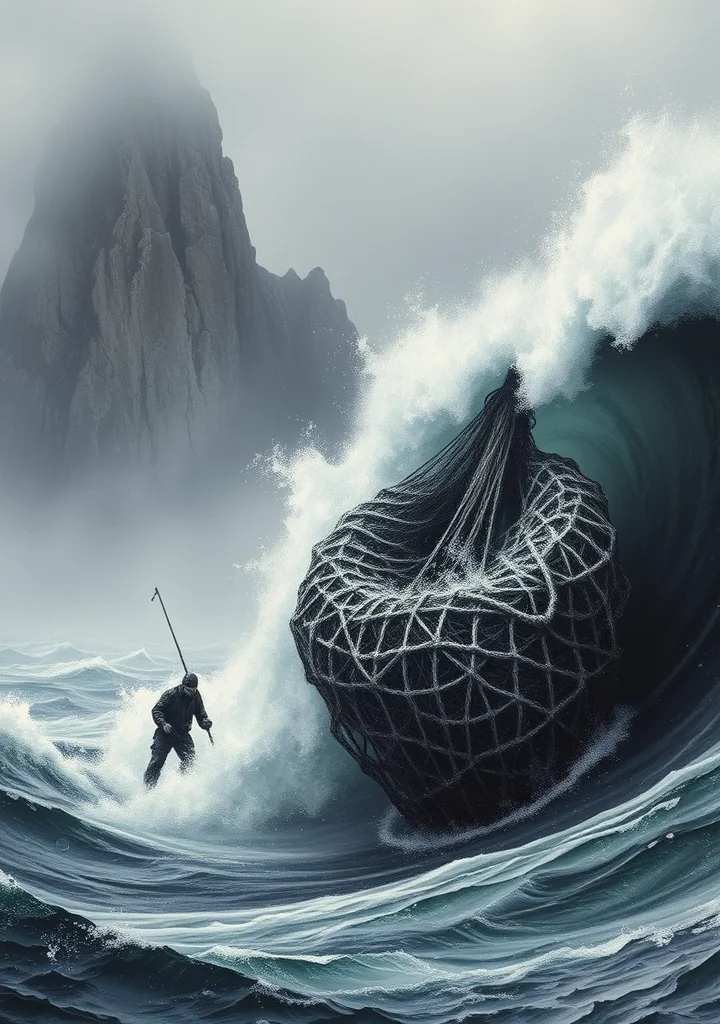
A suffocating dread clings to the timbers of the *Grampus*, and spills onto the icy shores of the Antarctic. Poe’s narrative isn’t merely a voyage; it’s a descent into the marrow-deep loneliness of the human condition. The narrative unravels not with grand spectacle, but with the slow, creeping rot of despair. Arthur Gordon Pym’s tale is one of escalating claustrophobia—first within the confines of a mutinous whaling vessel, then within the suffocating embrace of a desolate, white wilderness. The prose itself mimics the fracturing of Pym’s sanity. Sunken landscapes of feverish delirium rise from the pages, populated by phantom cannibals and the oppressive weight of unnameable horrors. The reader is not shown a monster, but *feels* it lurking in the ship’s hold, in the lengthening shadows of the Southern seas, in the echoing silence of the final, obsidian-walled chamber. The narrative’s true horror isn’t found in what is described, but in what remains stubbornly *unseen*—the vast, echoing emptiness beyond reason, the encroaching madness mirrored in the increasingly fractured narrative, and the chilling realization that Pym’s salvation may be a fate far more terrible than death itself. A suffocating atmosphere of isolation, punctuated by the chilling whisper of the unknown, permeates every line, leaving the reader adrift on a sea of dread, haunted by the echoes of a descent into the abyss.
Copyright: Public Domain
This license allows anyone to use your story for any purpose, including printing, selling, or adapting it into a film freely.
Recommended for you
32 Part
A creeping mist clings to the shadowed valley of Blithedale, a haven built on the fractured dreams of reformers and the hollow promises of a new Eden. Within its decaying grandeur, a subtle rot permeates not just the timber and stone, but the very souls of those who seek refuge there. The air hangs thick with unspoken desires, simmering resentments, and the stifled cries of past failures. A young surveyor, drawn into the web of this communal experiment, finds himself caught between the magnetic fervor of a visionary founder and the haunting beauty of a woman haunted by a grief that seems to bleed into the landscape itself. Every shadowed corner breathes with the weight of unfulfilled longing, while the sun-drenched fields conceal a darkness born of obsession. The narrative unravels not as a tale of progress, but as a slow exposure of the decay beneath the surface—a crumbling edifice of idealism haunted by the specters of unacknowledged desires. The scent of dying flowers, the rustle of unseen presences in the overgrown gardens, and the chilling silence of moonlit nights weave a tapestry of melancholy, revealing a world where the pursuit of perfection breeds only despair, and the heart, once aflame with conviction, is left to wither in the cold embrace of disillusionment. It is a place where the boundaries between reality and illusion blur, where the past refuses to remain buried, and where the seeds of ruin are sown within the very soil of hope.
35 Part
Dust motes dance in the perpetual twilight of Procopius’s *The Secret History*, a novel steeped in the scent of decaying parchment and the chill of forgotten crypts. The narrative unfolds not as a chronicle of events, but as a slow erosion of sanity within the crumbling walls of a secluded manor—Blackwood Hall—where shadows cling to every surface and whispers coil like serpents in the corridors. A family, fractured by generations of inherited madness and a pact with something ancient and hungry, unravels under the weight of their ancestral sins. The prose itself is a creeping vine, strangling the reader with baroque sentences and suffocating detail. Each chapter bleeds into the next, mirroring the Hall’s labyrinthine layout and the blurring of reality within its confines. A suffocating dread permeates every page, born not of overt horror, but of the insidious suggestion that the very stones of Blackwood Hall remember every atrocity committed within its walls. The story is told through fragmented diary entries, brittle letters, and the testimony of a fever-haunted caretaker—voices warped by isolation and the encroaching darkness. The air thickens with the scent of brine and rot, with the distant tolling of unseen bells and the faint, rhythmic dripping of water—always water—from somewhere deep within the Hall’s foundations. It is a history not of kings and conquests, but of rot and ruin, a testament to the suffocating power of silence, and the monstrous legacy left to those who inherit the weight of secrets better left undisturbed. The reader is left to wander the echoing chambers alongside the doomed characters, breathing in the same poisoned air, and ultimately, to question if Blackwood Hall has claimed not just its inhabitants, but a piece of their own soul as well.
62 Part
Dust motes dance in the fading light of provincial chateaux, mirroring the slow decay of ambition and the brittle fragility of hope. These letters, unearthed from forgotten bureaux and damp attics, whisper of two women bound by circumstance and the suffocating weight of societal expectation. One, a bride purchased for lineage, haunted by the spectral echoes of a loveless marriage. The other, a bride of convenience, her youth traded for the preservation of a crumbling estate. The narrative unfolds not in grand pronouncements, but in the tremor of a penned word, the bleed of ink mirroring the slow erosion of their spirits. Each missive is a fragment of a fractured life, stained with the bitter residue of betrayal, the chill of isolation, and the gnawing desperation for a love that exists only in the shadowed corners of their dreams. A pervasive melancholy clings to the pages, thick as the fog that shrouds the ancestral homes. The air hangs heavy with the scent of dying roses and the unspoken resentments that fester beneath layers of silk and lace. The landscapes—bleak vineyards, crumbling manors, and the oppressive silence of shadowed forests—become extensions of the women's internal landscapes: barren, desolate, and haunted by the ghosts of promises broken. The letters themselves are not merely communication, but desperate pleas cast into a void, each echoing with the chilling realization that they are trapped within a labyrinth of obligation and despair, their fates inextricably intertwined with the decaying grandeur of a bygone era.