
Static and Threat
  • 4
  • 0
  • 1
  • Read 4
  • 0
  • Part 1
Completed, First published Jun 15, 2026

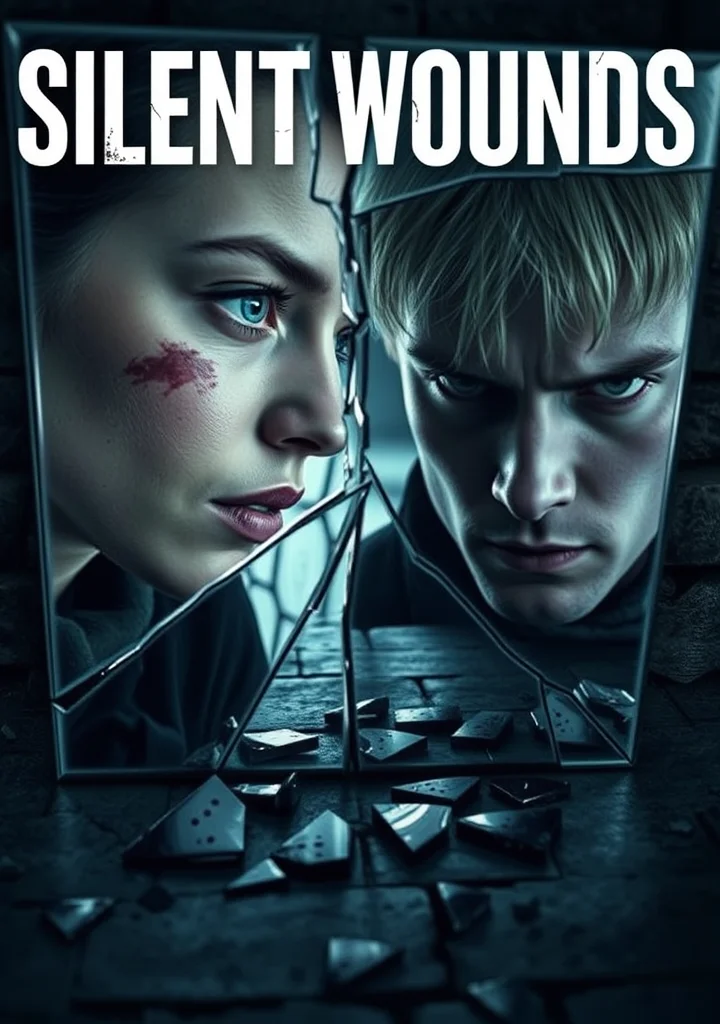
This unsettling novel traces threads of strained relationships and mounting fear. The narrative opens with a woman anxiously awaiting contact from her partner, Leo, as emotional distance grows between them. Meanwhile, a separate story unfolds where Ms. Sharma finds herself threatened and physically restrained by Abhimaan Singh Rathore, accused of betrayal and facing escalating coercion. These chapters reveal a chilling dynamic of power imbalance and desperate attempts to navigate dangerous demands. The narrative builds a sense of dread as characters grapple with uncertainty and escalating threats, leaving readers suspended in a world of static and apprehension.
Copyright: All Rights Reserved
No person is allowed to use, redistribute, or modify your work in any form without your explicit permission.
Recommended for you

55 Part
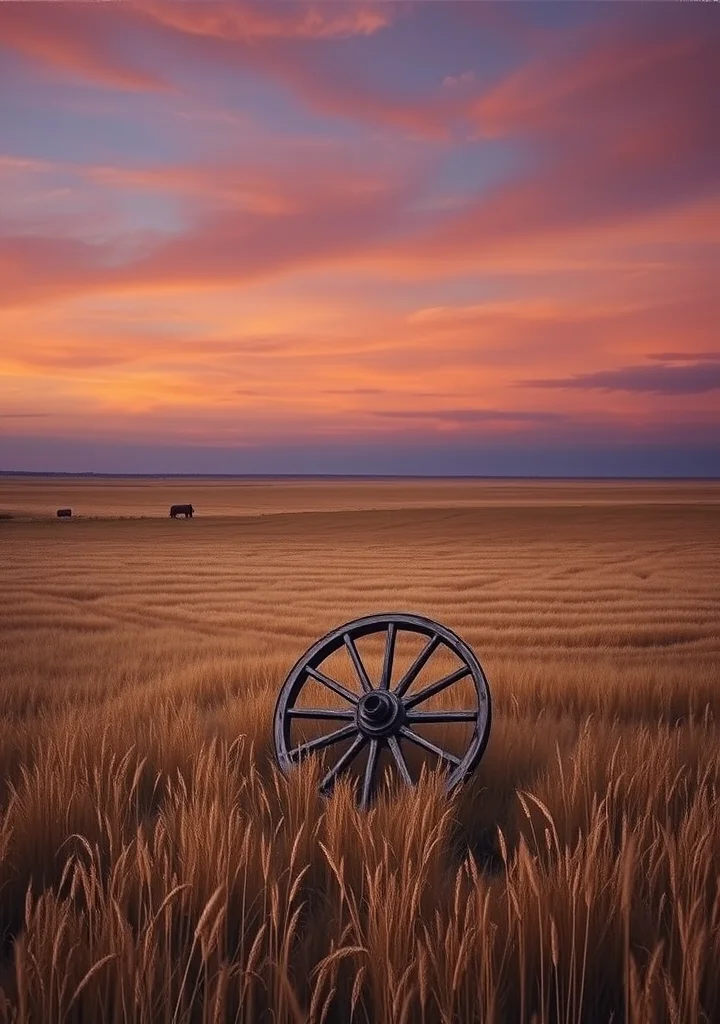
Dust-choked prairies stretch towards a horizon perpetually bruised violet, mirroring the ache within the heart. This is a story breathed from the wind-scoured earth, a lament for a lost Eden etched in the bone-white light of Nebraska summers. It unfolds not as a specter of the supernatural, but as a haunting through absence – the absence of youth, of innocence, of a world before the relentless march of progress. The narrative clings to the memory of Ántonia like clinging vines to a crumbling barn, a figure both vital and spectral, forged in hardship and stained with the relentless sun. Shadows lengthen across the farmsteads, mirroring the encroaching anxieties of the immigrant experience, a land both promising salvation and delivering brutal isolation. The beauty of the landscape, vast and unforgiving, becomes a character itself – a silent witness to fractured dreams and the slow erosion of hope. It’s a world built on the hushed whispers of shared toil and the weight of unfulfilled promises, where the past is a phantom limb, forever felt but forever out of reach. The scent of hay and manure, the mournful howl of the winter wind—these are the talismans of a life surrendered to the unforgiving plains, a life observed from a distance, filtered through the gauze of memory and regret. A stillness descends with the dusk, a premonition of the stories buried beneath the fields, whispering of lives broken and rebuilt, leaving only ghosts in the furrows.
69 Part
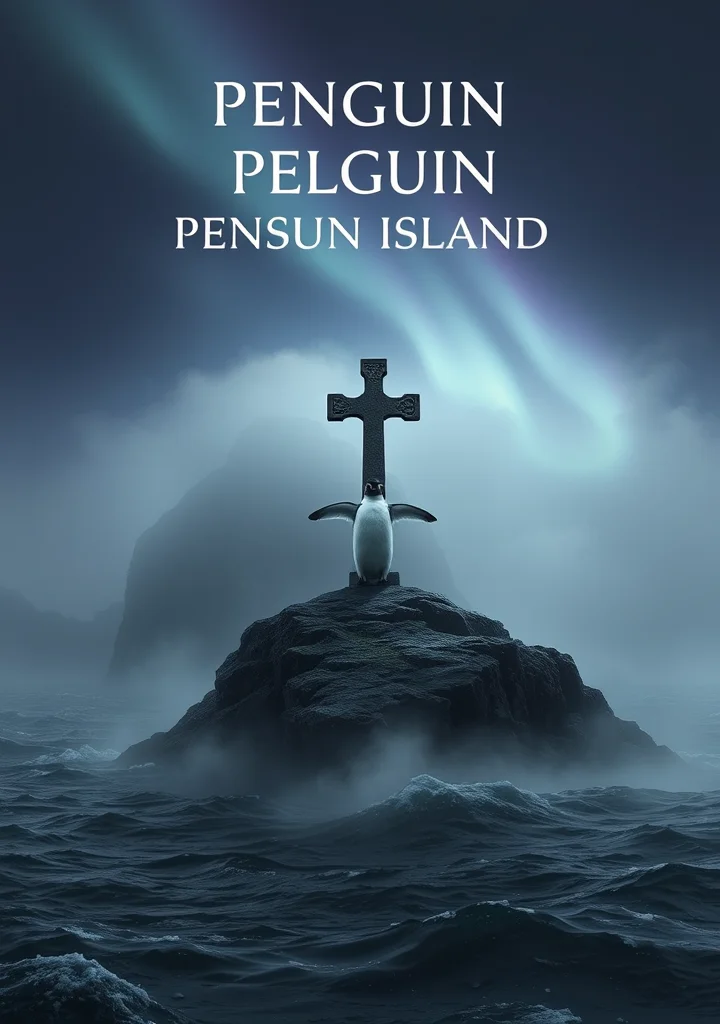
A creeping fog clings to the shores of Penguin Island, a land born not of earth but of the icy breath of the North Atlantic. The narrative drifts like wreckage on a grey sea, charting the history of a colony of penguins who, through a perverse twist of evolution and the dubious guidance of a shipwrecked priest, claim lineage from the ancient Celts. It’s a history soaked in brine and shadowed by the perpetual twilight of the Southern Ocean. The island itself is a crumbling monastery of stone and feather, where the penguin-priests chant in echoing caves, their rituals laced with a melancholic, avian piety. The air hangs heavy with the scent of fish and decay, a constant reminder of the island’s isolation. Each chapter unravels like a barnacle encrusting a forgotten hull, revealing a world where theological debate is punctuated by the screech of gulls and the mournful cry of the wind. A slow, deliberate rot pervades the narrative; the crumbling faith, the decaying structures, the very bodies of the penguins themselves seem destined to dissolve back into the churning, unforgiving sea. There’s a pervasive sense of the absurd, a mocking grandeur that clings to the story like seaweed to a drowned man’s limbs. It’s a gothic fable woven from salt spray, philosophical despair, and the unsettling, uncanny gaze of creatures forever poised between heaven and the icy abyss. The island doesn’t yield to understanding, it *consumes* it, leaving only a chill and the whisper of wings in the perpetual fog.
75 Part
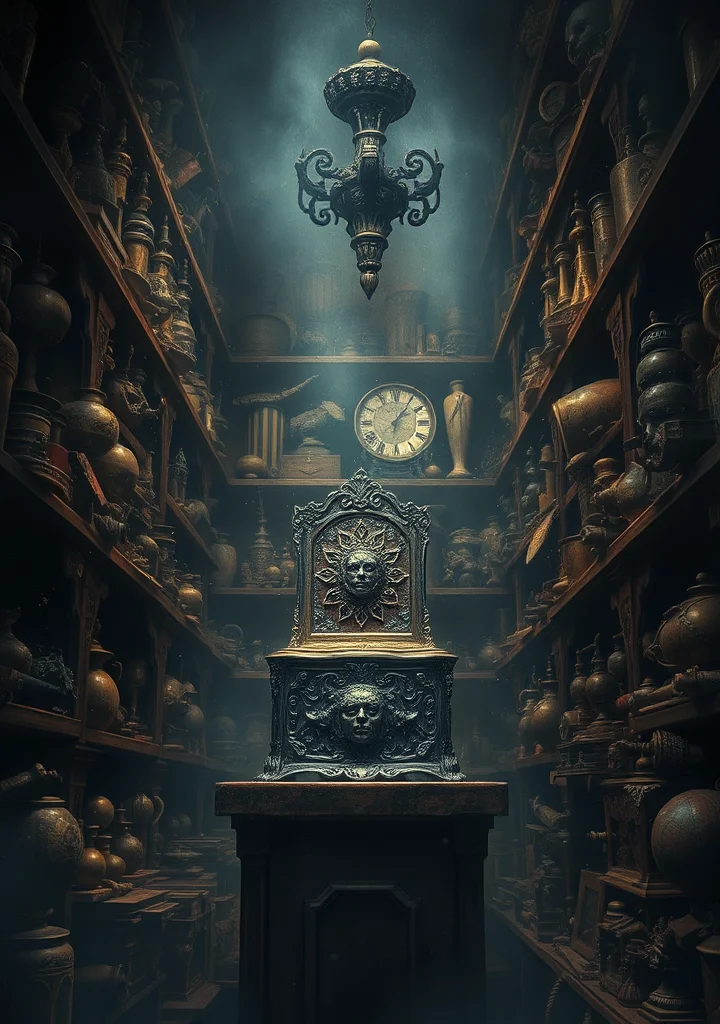
Dust motes dance in perpetual twilight within the rambling, suffocating confines of the Old Curiosity Shop, a place where time itself seems to fray at the edges. The air hangs thick with the scent of decay and forgotten dreams, clinging to the warped timbers and shadowed corners. A suffocating weight of secrets presses down, mirroring the burden carried by little Nell, a fragile bloom wilting under the gaze of avarice. The shop’s labyrinthine depths swallow light, revealing glimpses of grotesque relics—grimacing masks, tarnished silver, and the hollow eyes of forgotten dolls—each a silent witness to generations of loss. A creeping dread seeps from the very stones, fueled by the malevolent presence of Quilp, a creature born of spite and fueled by cruelty. The narrative unfolds not as a journey, but as a descent, spiraling deeper into a labyrinth of shadowed alleys and decaying grandeur. London itself breathes with a feverish pulse, a city of echoing footfalls and whispered conspiracies. Every encounter is veiled in ambiguity, every kindness shadowed by the looming threat of betrayal. The oppressive atmosphere is less a setting, and more a character—a suffocating entity that threatens to consume Nell and all she holds dear within its suffocating embrace. The antique objects are not merely curiosities, but fragments of fractured souls, each holding a piece of the shop’s decaying history. It is a world where innocence is a fragile currency, and darkness preys on the edges of hope.