
Mirèio
  • 100
  • 0
  • 17
  • Reads 100
  • 0
  • Part 17
Completed, First published Mar 02, 2026

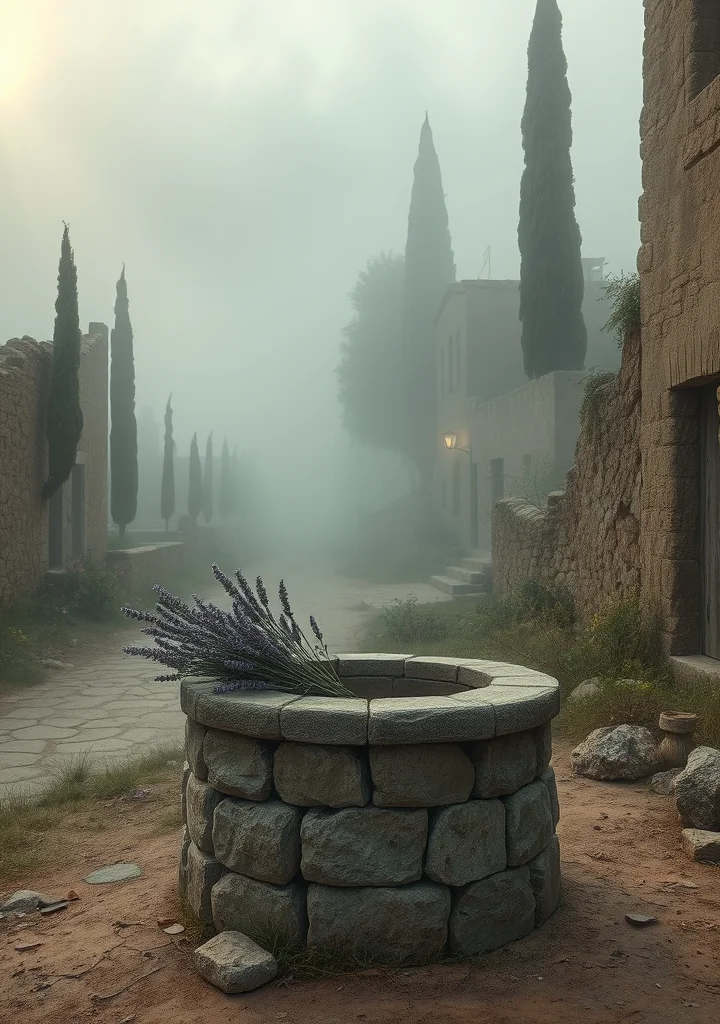
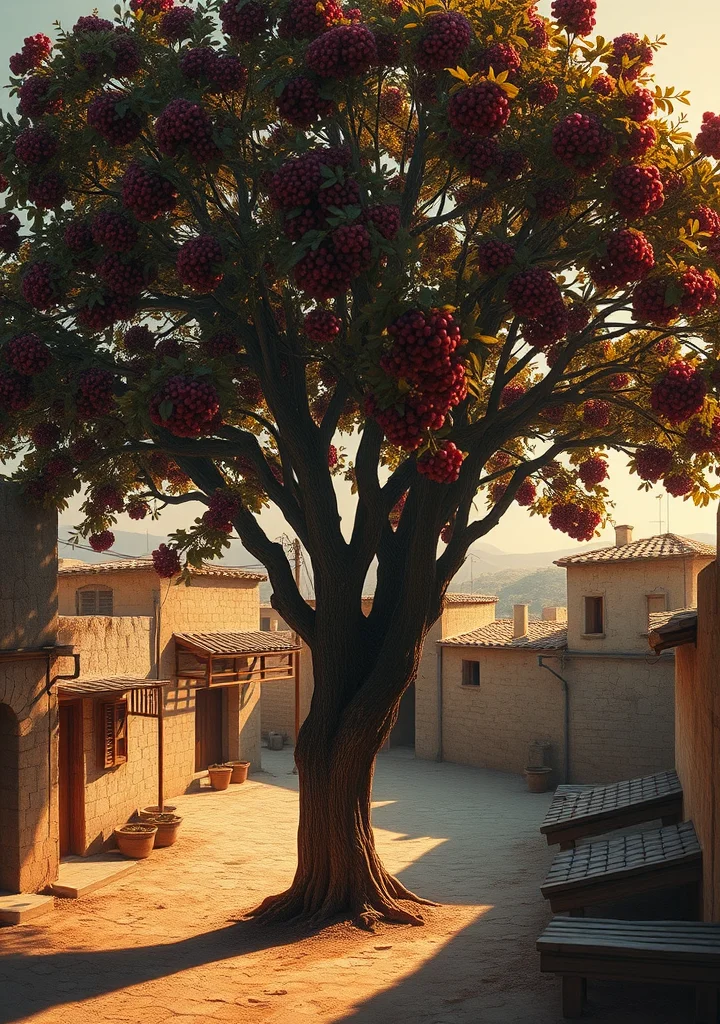
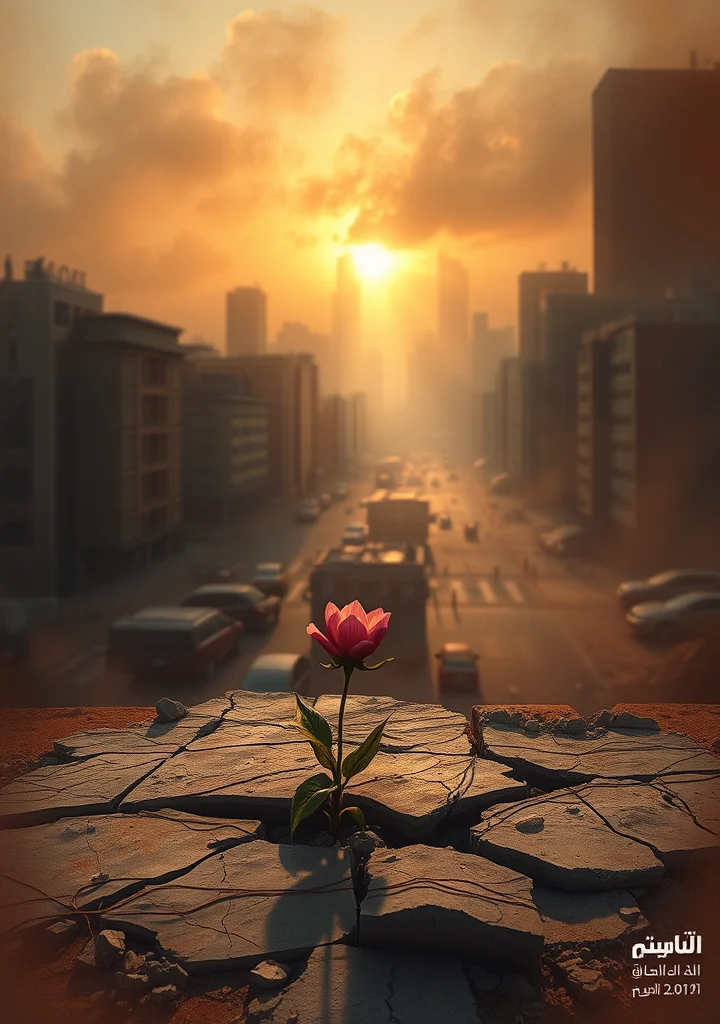
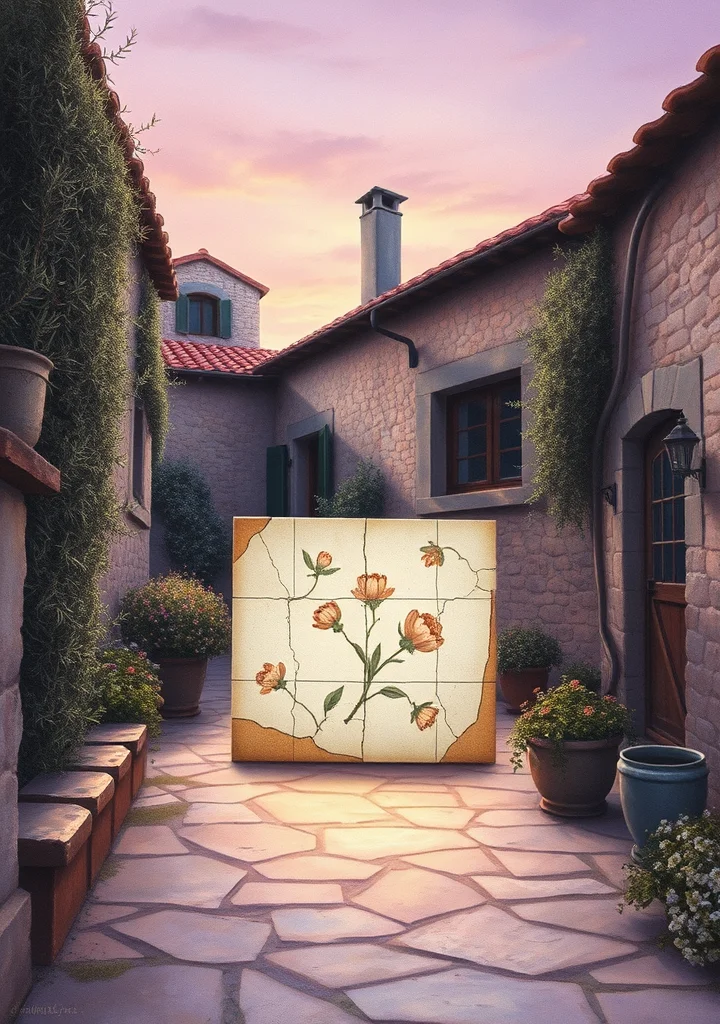
Dust motes dance in the lavender-soaked Provençal light, clinging to the stone walls of a forgotten farmhouse. The air hangs thick with cicada song and the scent of rosemary, masking a deeper, older grief. Mirèio isn’t merely a tale of a young woman’s love, but a slow bleed of sun-baked earth and fractured faith. She moves through the narrative like a wraith amongst olive groves, a fragile bloom destined to wither before its petals fully unfurl. The landscape itself becomes a character, oppressive and beautiful in equal measure—the dry hills echoing with the hollow ache of unfulfilled desires. A melancholic weight settles on every page, a suffocating stillness broken only by the distant toll of bells and the rustle of wind through the cypress trees. This is a story steeped in the golden rot of memory, where the boundaries between life and death blur with the heat haze shimmering over the fields. It’s a world where the sun scorches away hope as readily as it ripens the harvest, leaving only the stark beauty of enduring sorrow. The narrative unfolds not as a linear path, but as a winding lane through a graveyard of lost summers, haunted by whispers of what might have been. Even in its tenderness, there’s a creeping sense of decay, a premonition of shadows lengthening across the sun-drenched stone.

Copyright: Public Domain
This license allows anyone to use your story for any purpose, including printing, selling, or adapting it into a film freely.
Recommended for you
2421 Part
A creeping dread clings to the shadowed halls of Burgunden, where the echoes of ancient pacts and broken vows stain the stone with crimson. This is not a tale of heroes, but of a rot blooming within the heart of a kingdom—a festering wound carved by ambition and fueled by the lust for gold. The clang of steel is ever-present, not in glorious battle, but in the hushed corners of betrayal. Each gilded chain, each forged ring, whispers of a doom woven into the very fabric of the Nibelungs’ legacy. The river Rhine holds more than just the shimmering hoard; it carries the spectral lament of a bride stolen, a vengeance born of ice and night. Crimson stains the snows, not from winter’s chill, but from the spilling of blood under a moon that witnesses every fractured oath. Walls weep with the memory of feasts where deceit was served alongside wine, and the laughter of kings rings hollow as they dance toward their inevitable, brutal reckoning. The air is thick with the scent of pine resin and the metallic tang of iron, a perfume of decay that clings to the damp stone of castles and the frosted breath of dying men. Shadows stretch long and hungry, mirroring the growing darkness within the souls of those who chase power beyond its rightful measure. A sickness of the soul permeates the land, and the weight of prophecy feels like a shroud tightening around the throat, promising only the hollow echo of a fallen empire. The world is poised on a knife’s edge, where honor is a forgotten word and the only certainty is the coming storm of ruin.
29 Part
A creeping dread clings to the salt-laced air of the Cornish coast, where the crumbling manor of Porthallow stands sentinel against a bruised, perpetual twilight. Within its shadowed halls, Elara Penrose, orphaned and bound by duty to a distant, brittle uncle, discovers a legacy woven not of gold, but of whispers and brine-soaked secrets. The Splendid Fairing is not a vessel of joy, but a spectral ship glimpsed only in the fever-dreams of the dying – a phantom bearing the stolen heirlooms of generations lost to the sea’s avarice. Each chapter descends further into a suffocating claustrophobia, mirroring the labyrinthine coves and forgotten smugglers’ tunnels beneath Porthallow. The scent of decay – damp stone, mildewed velvet, and the metallic tang of old grief – permeates every room. Elara’s investigations unravel a tapestry of local superstitions, tales of drowned women who lure sailors to their doom, and the unsettling obsession of the villagers with the ebb and flow of the tide. A haunting stillness pervades the narrative, broken only by the mournful cry of gulls and the rhythmic pulse of the waves against the cliffs. The manor itself feels less a house and more a tomb, breathing with the weight of centuries. As Elara draws closer to the truth of the Fairing’s spectral voyage, she finds herself increasingly adrift in a world where the boundary between the living and the dead is as porous as the crumbling seawalls, and where the splendor of inheritance is purchased with the currency of despair. The novel is steeped in a sense of inevitable tragedy, a slow, agonizing descent into the shadowed heart of a coastal curse.