
“We”
  • 32
  • 0
  • 24
  • Reads 32
  • 0
  • Part 24
Completed, First published Mar 02, 2026

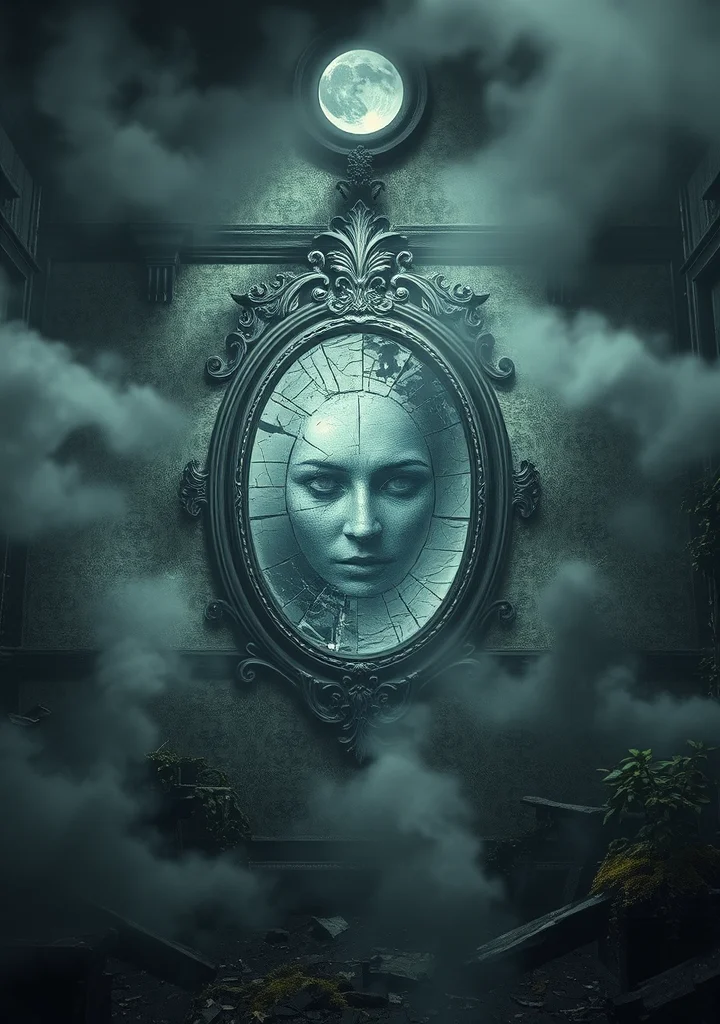
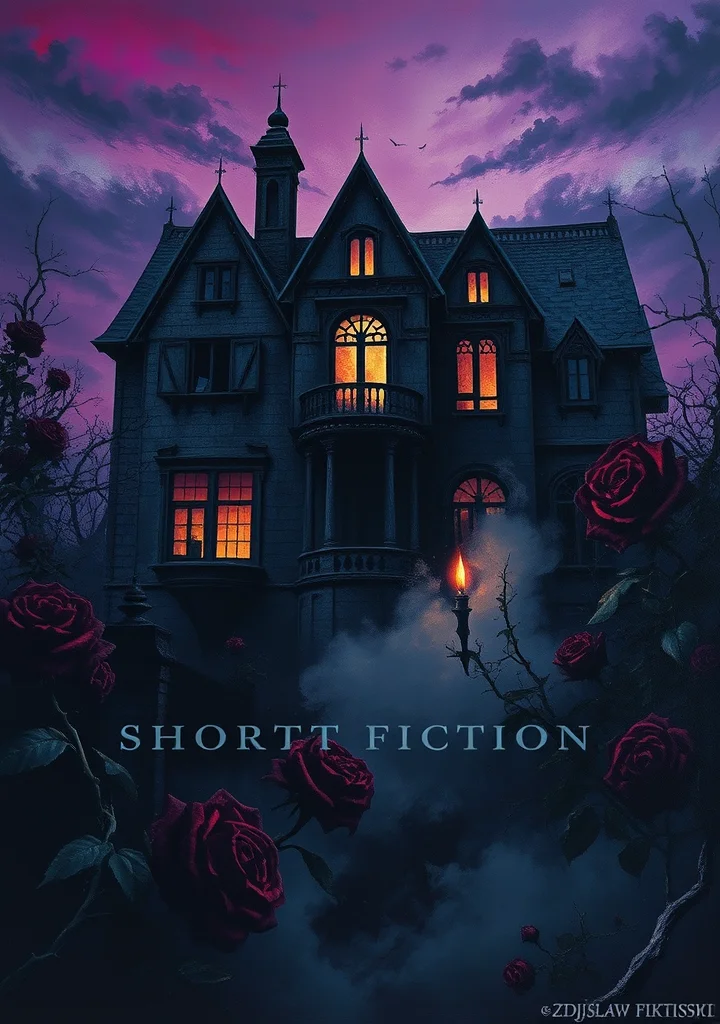
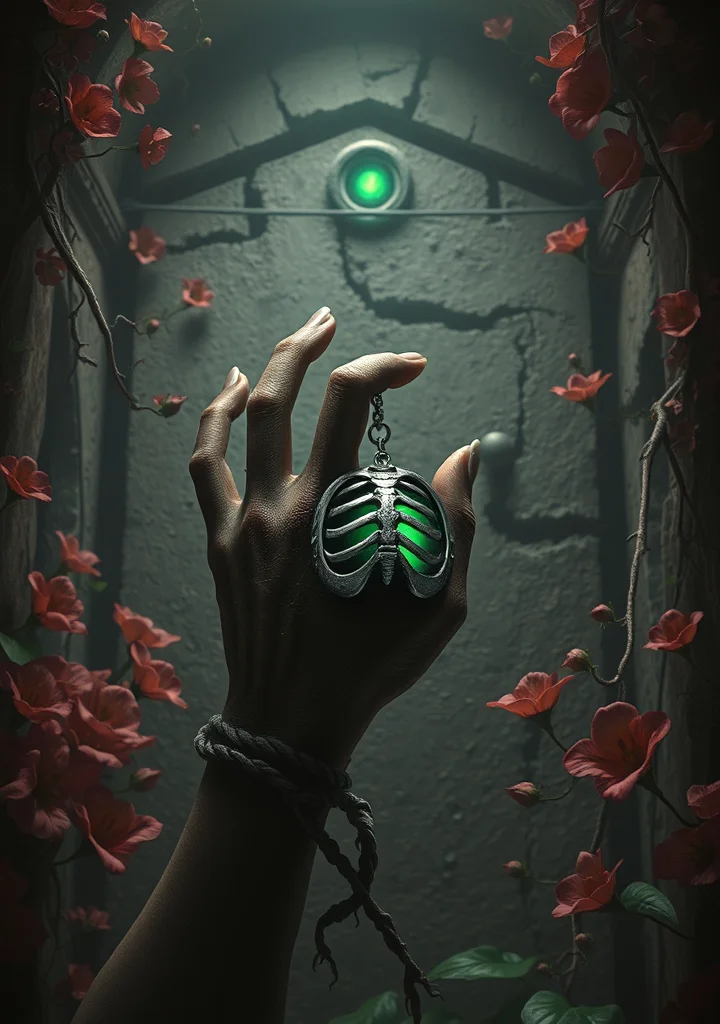
A suffocating dread permeates every page, a claustrophobia born not of physical space, but of shared, suffocating consciousness. Lindbergh doesn't detail a story *happening* to characters, but rather a slow, inexorable subsumption *within* something ancient and vast. The narrative unfolds as a descent into a collective hive-mind, a single, monstrous “We” that eclipses individuality like moths to a consuming flame. The prose itself feels infected, mirroring the suffocating unity it describes - sentences bleed into one another, perspectives blur, and the very act of reading becomes a surrender of self. Sunlight feels like a forgotten myth, replaced by the oppressive warmth of a shared bloodstream. Every gesture, every thought, is already anticipated, echoed, *owned* by this encompassing entity. The story isn't about escaping “We”, but about the chilling realization that escape was never possible, that the solitary "I" was always a carefully constructed illusion, dissolving into a chilling, insectile harmony. It’s a horror of belonging, of being utterly, irrevocably *known* – and welcomed into a darkness that whispers of forgotten gods and the crumbling foundations of the human will.
Copyright: Public Domain
This license allows anyone to use your story for any purpose, including printing, selling, or adapting it into a film freely.
Recommended for you
14 Part
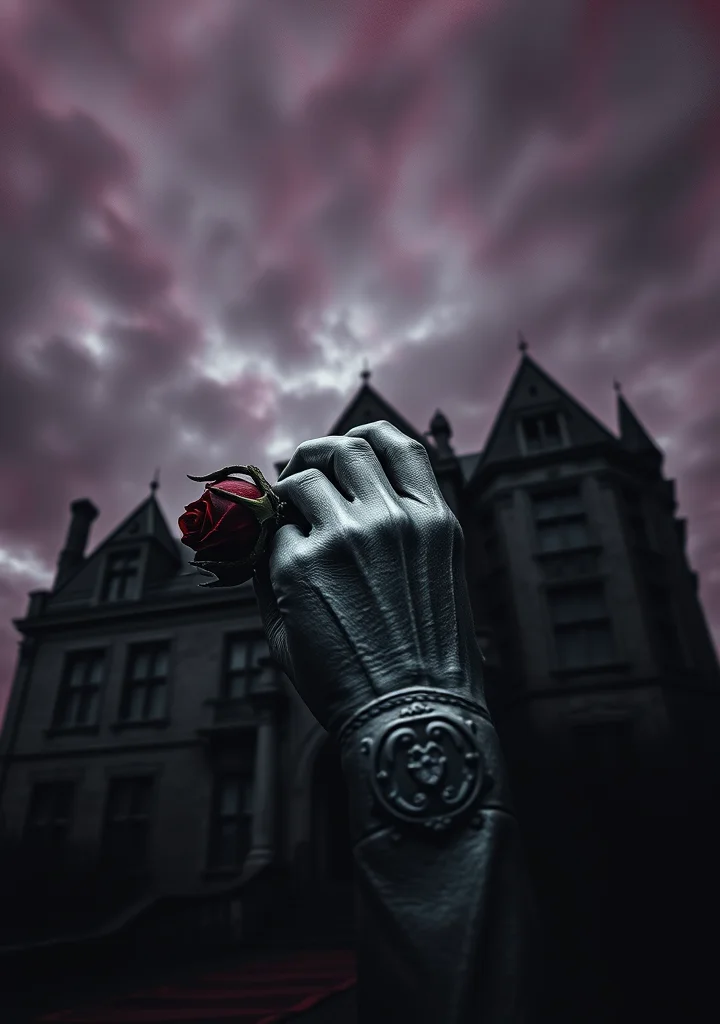
A chill, damp fog clings to the meticulously manicured grounds of a decaying manor, mirroring the insidious rot at the heart of the investigation. Lord Peter Wimsey doesn’t merely solve a murder; he excavates a grief-stricken past, each clue unearthed slick with the residue of unspoken desires and stifled resentments. The victim, a man of rigid habits and cold precision, is found posed with a perverse artistry amidst rose bushes gone wild—a tableau of fractured elegance. The estate itself breathes with a suffocating air of familial decay. Long corridors whisper with the echoes of past grievances, portraits watch with hollow eyes, and shadows dance with the weight of generations trapped within their ancestral home. Every object, from tarnished silver to wilted blooms, feels burdened by secrets. Wimsey’s pursuit is not a swift unraveling, but a slow descent into a labyrinth of suppressed longing and bitter rivalries. The suspects are cloaked in a brittle politeness masking a simmering contempt, each conversation a carefully constructed performance in a drawing room haunted by the ghosts of expectations. The scent of fading grandeur, of lives lived within suffocating constraints, pervades every room—a suffocating perfume of regret and the lingering scent of something unspeakably cold. The truth, when it finally surfaces, is less a revelation than an exhumation, leaving a residue of ash and the unsettling weight of a fractured, aristocratic heart.
12 Part
A fever dream stitched from memory and the shadowed corners of the mind. This is not a tale of simple addiction, but a descent into a labyrinth of spectral gardens and opium-hued reveries. The prose itself breathes with a melancholic cadence, mirroring the author's fractured recollections. London fog clings to every sentence, obscuring the boundaries between waking and dreaming. Here, the weight of sorrow is not merely felt, but *seen* – vast, ruined castles built from regret loom in the distance, their spires piercing a sky perpetually stained with twilight. The narrative unravels like a silk shroud, revealing a childhood both idyllic and haunted. Each chapter is a fragment of a shattered looking-glass, reflecting distorted images of lost innocence and the corrosive power of secret desires. There's a pervasive sense of isolation, a man adrift in a sea of his own making, his memories both solace and torment. Expect not a linear progression, but a spiraling vortex of sensation, where the mundane becomes monstrous and the ethereal feels terrifyingly real. The author’s confessions are less about the drug itself, and more about the landscapes it unlocks – landscapes populated by phantom mothers, shimmering Arabian visions, and the insidious whisper of a soul consumed by longing. This is a book to be read by candlelight, with the windows shuttered, and a heart braced for the cold touch of remembrance. It is a descent into the architecture of grief, rendered in the shimmering, hallucinatory light of opium’s embrace.