
-
Read 299
-
0
-
Part 18
Completed, First published Mar 02, 2026
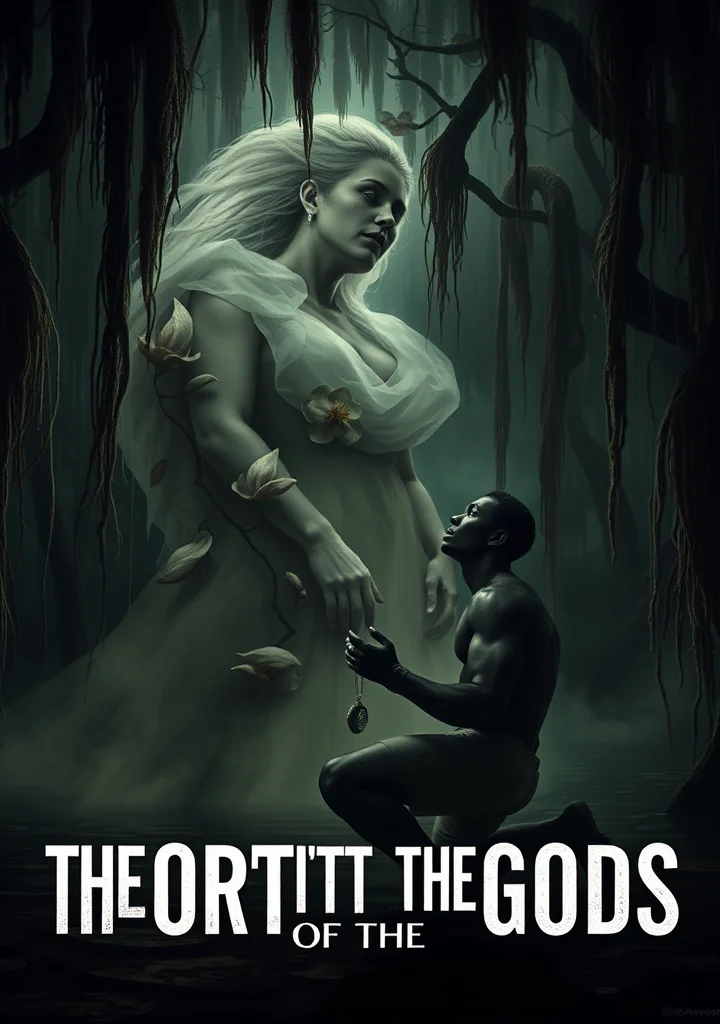
Dust hangs thick in the Louisiana cane fields, mirroring the fog clinging to the soul of Jupiter, a man born of two worlds yet belonging to neither. Dunbar weaves a tale steeped in the bayou’s humid breath, where ancient Creole superstitions bleed into the ambitions of a restless white society. It is a narrative of spectral longing – Jupiter's love for the ethereal, doomed Belle Chère, a spirit tethered to the swamp, a haunting that rises with the Spanish moss and the scent of decay. The plantation’s grand facade hides a rot of obsession, a fevered pursuit of possession mirrored in the feverish heat of the landscape. Every shadow holds a whisper of voodoo, every cypress knee a silent witness to a love that defies the boundaries of life and death. The air itself vibrates with the melancholy of the unseen, the weight of histories buried beneath the red earth. It’s a story not of grand horror, but of a slow, insidious unraveling, where the boundaries between the living and the dead blur until only the ache of what *was* remains, clinging to the Spanish-laced darkness like the ghost of a forgotten prayer.
Copyright: Public Domain
This license allows anyone to use your story for any purpose, including printing, selling, or adapting it into a film freely.
This license allows anyone to use your story for any purpose, including printing, selling, or adapting it into a film freely.
Recommended for you