
-
Read 373
-
0
-
Part 27
Completed, First published Mar 02, 2026
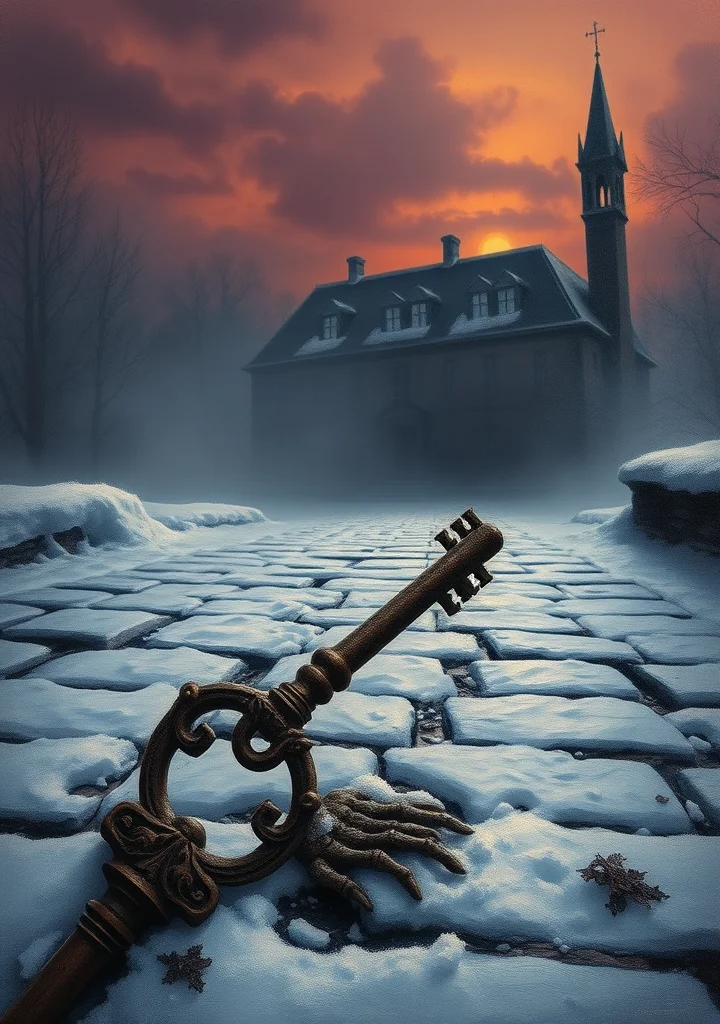
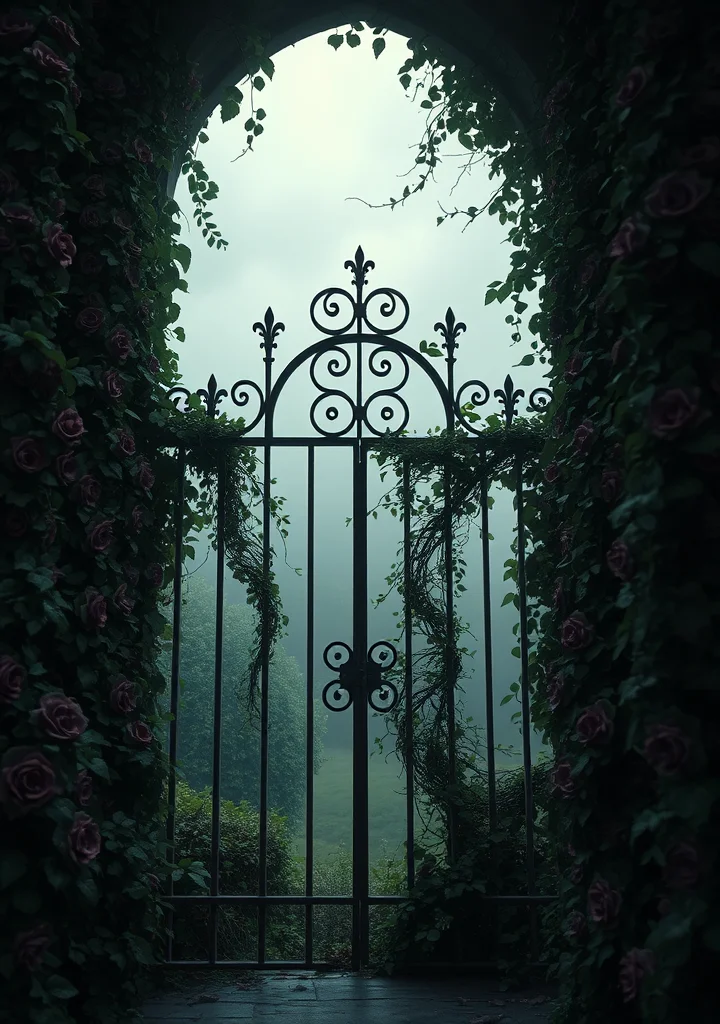
A creeping chill clings to the Yorkshire moors, mirroring the loneliness that coils within young Mary Lennox. Abandoned to a neglectful aunt and a house steeped in shadow, she discovers a walled garden, lost and overgrown, mirroring the decay of a forgotten grief. Within its ivy-choked gates, a forgotten world breathes—a whisper of secrets, of a life tragically cut short, and a husband consumed by grief. The air itself is thick with the scent of damp earth and decaying roses, clinging to a hidden key and the ghostly presence of a boy who haunts the garden’s edges.
As Mary tends to the neglected blooms, she unravels not just a garden, but the fractured hearts of those who linger within its crumbling walls. A raw, untamed boy, wild as the moorland itself, becomes her companion in this resurrection—a shared secret blossoming amidst the thorns and shadows. The garden is not merely a place of flowers, but a crucible of healing, where the ghosts of the past intertwine with the fragile hope of a new spring. It is a place where the boundaries between life and death blur, and where the very stones seem to weep with a sorrow that has taken root within the earth itself. The air grows heavy with the weight of untold stories, and a creeping sense of something ancient, something deeply rooted, and irrevocably lost.
Copyright: Public Domain
This license allows anyone to use your story for any purpose, including printing, selling, or adapting it into a film freely.
This license allows anyone to use your story for any purpose, including printing, selling, or adapting it into a film freely.
Recommended for you