
Democracy and Education
  • 1.5K
  • 0
  • 134
  • Read 1.5K
  • 0
  • Part 134
Completed, First published Mar 02, 2026

A creeping fog, not of the moor, but of the mind. Within the crumbling edifice of inherited thought, a labyrinthine schoolhouse exhales a chilling draft of expectation. Each lesson, a cold stone laid upon another, constructing a wall between the yearning child and the wild, untamed bloom of experience. The narrative isn't one of plot, but of erosion—a slow, insidious leaching of individual impulse into the rigid channels of prescribed form. Dewey’s prose, though ostensibly concerning the betterment of civic life, reads like a coroner’s report on the spirit. It details the stifling weight of habit, the ghostly echoes of tradition reverberating in every classroom. The specter of a predetermined future haunts these pages, a pallid imitation of growth, where every act of ‘learning’ is merely the smoothing of rough edges until nothing original remains. There are no screams here, no overt violence, only a creeping despair that seeps into the bones. The true horror lies in the meticulous architecture of control—a system designed not to liberate, but to contain, to mold the human form to fit within the predetermined shape of a functioning machine. The silence within these halls is not peace, but the suffocating stillness of a soul slowly being buried alive under the weight of its own ‘progress.’ It is a gothic monument to the subtle, suffocating power of the collective, built upon the ruins of individual will.
Copyright: Public Domain
This license allows anyone to use your story for any purpose, including printing, selling, or adapting it into a film freely.
Recommended for you
25 Part
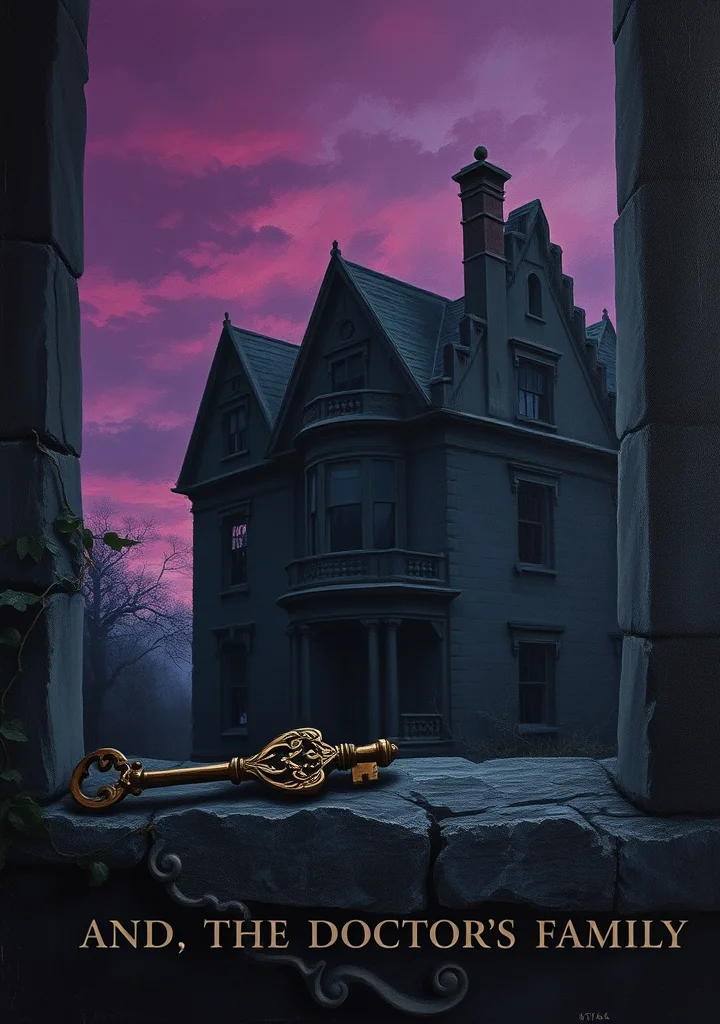
A creeping dread settles over the village of Lindeth, a place steeped in shadow and the scent of decaying grandeur. The Rector, a man haunted by quiet grief and a past he cannot outrun, finds himself inexorably drawn into the orbit of the Doctor’s family – a brittle, decaying lineage clinging to respectability amidst whispers of inherited madness. The house itself, a stone leviathan overlooking the grey expanse of the moor, breathes with a suffocating stillness, mirroring the suffocated lives within. A subtle unraveling begins, a slow bleed of secrets into the damp air. The Doctor's wife, a woman carved from ice and regret, watches her children with a chilling detachment, while their very existence feels predicated on a delicate, unspoken bargain. The Rector’s attempts at benevolent observation become entangled in a web of suppressed resentments, hidden debts, and a history of heartbreak that stains every antique surface. Fog clings to the cobbled streets, mirroring the obscuring influence of family history. The narrative moves not with swift shocks, but with the slow, deliberate chill of a winter frost. Each act of kindness, each offered prayer, feels tainted by the pervasive sense that something unspeakable is being prolonged, not prevented. A suffocating claustrophobia descends as the Rector's sympathy becomes complicity, and the house, the family, and the moor itself conspire to conceal a darkness at the heart of Lindeth’s soul. It is a story of the living dead, bound by obligation and circumstance, where the true horror lies not in what is revealed, but in what remains forever buried within the stone walls and fractured hearts.
55 Part
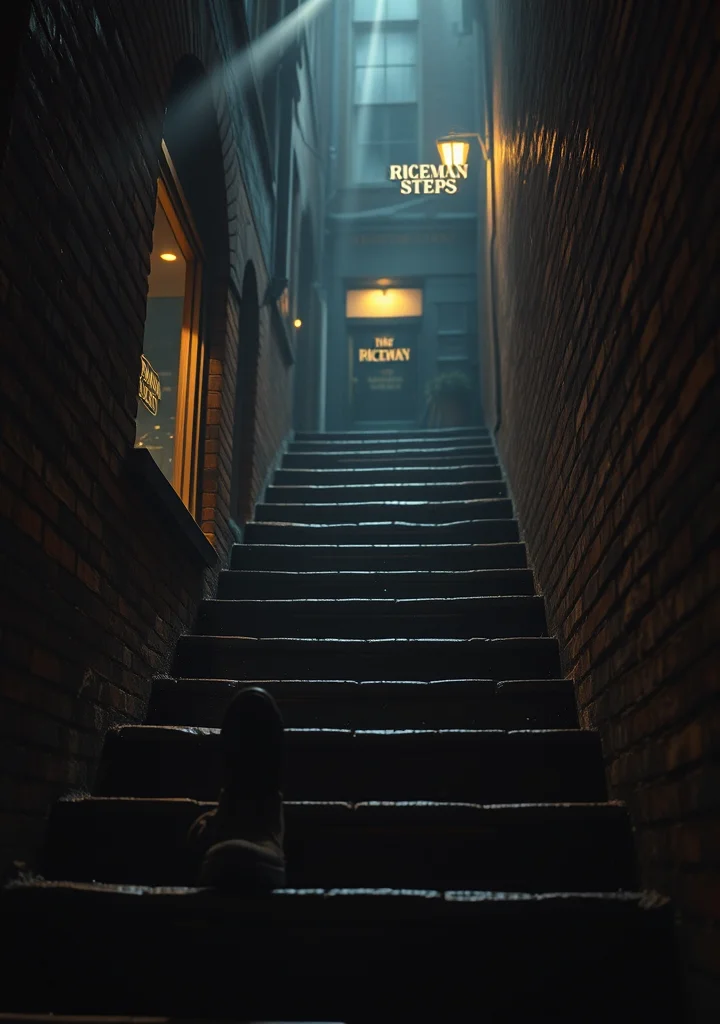
A London of perpetual twilight clings to the aging Mr. Edwin Rycroft, a retired draper suffocating in the dust of inherited wealth and encroaching loneliness. The steps themselves – narrow, brick-worn, descending into a warren of forgotten streets near Cheapside – become a morbid obsession, a physical manifestation of Rycroft’s descent into a melancholic delirium. Each echoing footfall upon those stairs isn’t merely a movement towards a pawnshop, but a surrender to the insidious creep of obsolescence. The narrative breathes with the chill of damp stone, the scent of mildewed ledgers, and the suffocating silence of rooms choked with antique clocks. A spectral quietude hangs over the city, punctuated by the rhythmic tick of time bleeding away Rycroft’s life. The pawnshop’s proprietor, a man shrouded in shadow and rumour, becomes a grim confessor, witnessing the slow disintegration of Rycroft's fortune and spirit. A creeping dread permeates the prose, born not of overt horror, but of the stifling weight of respectability and the gnawing fear of being forgotten. The city itself is a labyrinth of shadows, mirroring Rycroft’s fractured mind. The novel doesn’t offer grand horrors, but a slow erosion of hope, a chilling recognition of the emptiness at the heart of a life spent accumulating possessions, all shadowed by the ominous promise of the steps leading downwards, ever downwards, into the suffocating darkness of oblivion. It is a world built of grey light and the rustle of unseen things, where the past isn’t merely remembered, but actively decays around you.
27 Part
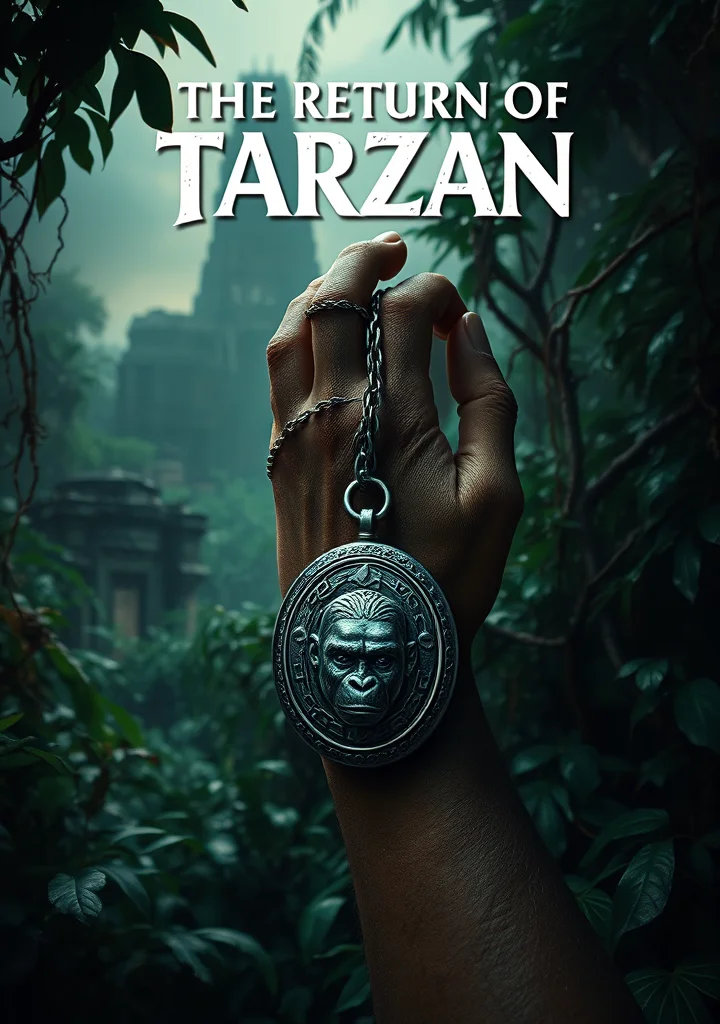
A creeping dread clings to the emerald shadows of the jungle, a suffocating humidity that mirrors the suffocating weight of forgotten histories. Burroughs doesn’t merely return Tarzan to his primal kingdom, he delivers him back to a fractured, decaying Eden haunted by the ghosts of his own making. This is not the triumphant lord of the apes we recall, but a man shadowed by loss, driven by a desperate unraveling of alliances both human and bestial. The air hangs thick with the scent of rot and the whisper of ancient, vengeful gods. The narrative bleeds into a fever dream of betrayal amongst the tribes, where the lines between hunter and hunted blur into a crimson smear across the landscape. A malignant presence – a subtle, insidious corruption – festers within the very heart of the jungle, twisting familiar faces into masks of savage intent. The return isn’t a homecoming, it’s an intrusion, a violation of a balance poised on the precipice of collapse. Sun-drenched clearings give way to suffocating, vine-choked ravines, mirroring the descent into the protagonist’s own fractured psyche. Every rustle of leaves, every guttural cry from the depths of the forest, carries the echo of a past that refuses to remain buried. This is a jungle steeped in the residue of violence, where even the most primal instincts are tainted by a creeping, unspoken despair. It is a return not to paradise, but to a tomb of shattered expectations, where Tarzan must confront not just his enemies, but the hollowed-out shell of the man he once was.