
Short Fiction
  • 25
  • 0
  • 8
  • Reads 25
  • 0
  • Part 8
Completed, First published Mar 02, 2026

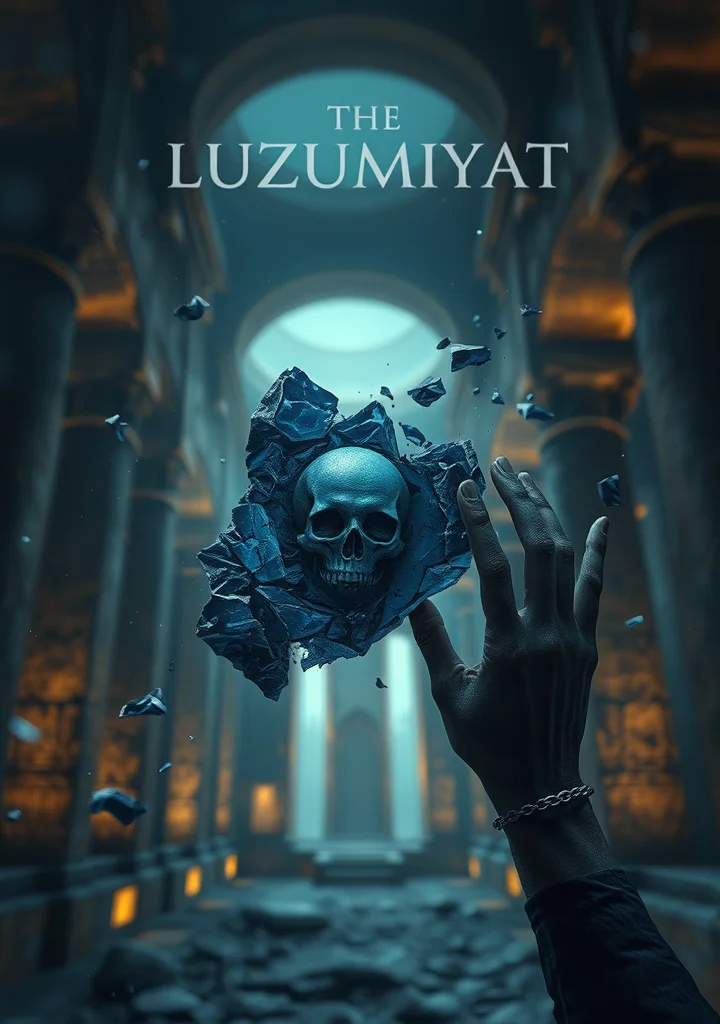
Dust motes dance in the perpetual twilight of a forgotten America, a land stitched together with the frayed edges of memory and the echoing static of lost broadcasts. Here, amidst crumbling bomb shelters and the skeletal remains of cities, the remnants of humanity cling to fractured narratives – whispers of saints and sinners, of prophets and fools, all rendered in the amber glow of cathode rays. These are not tales of grand apocalypse, but of the quiet unraveling, the slow decay of faith and reason as the shadows lengthen. Each story is a shard of glass reflecting a fractured world, haunted by the ghosts of choices made and futures surrendered. The air tastes of ash and regret, and the silence between the lines hums with the static of a God who has long since turned away. They are fragments salvaged from the wreckage, each a cold ember warming briefly against the encroaching darkness, only to fade back into the endless, echoing void. A landscape of the soul, where the lines between salvation and oblivion blur into a single, gray horizon.
Copyright: Public Domain
This license allows anyone to use your story for any purpose, including printing, selling, or adapting it into a film freely.
Recommended for you
52 Part
A creeping dread clings to the shadowed orchards and crumbling khutors of Shevchenko’s *Poetry*. It isn’t a tale of grand horrors, but of a slow rot consuming the soul, witnessed through eyes haunted by the vast, indifferent steppes. The narrative unfolds like a fever dream—fragmented, lyrical, and steeped in the melancholic scent of damp earth and decaying sunflowers. Each verse bleeds into the next, mirroring the blurring of memory and reality within the minds of those exiled, those bound to the land by chains of sorrow and longing. The air hangs thick with the weight of unfulfilled desires and the ghosts of Cossack glories, rendered brittle by years of oppression. Walls whisper with the lamentations of women left behind, and the wind carries the cries of children lost to famine. A sense of impending doom isn’t delivered through spectacle, but through the relentless accumulation of small, brutal details—a chipped icon in a deserted chapel, a raven’s feather found clutched in a dead hand, the taste of iron in the well water. The prose itself is a landscape of fractured beauty—sun-drenched fields concealing graves, a sky bruised purple with regret. It’s a narrative not of what *happens*, but of what *remains*—the lingering echo of a broken heart, the dust of forgotten villages, the chilling realization that even in oblivion, the land remembers everything, and judges all. A suffocating stillness permeates the work, broken only by the distant howl of wolves and the rustling of secrets in the wheat fields. The story doesn’t end; it simply dissolves into the horizon, leaving you adrift in a sea of unending grey.
10 Part
A creeping twilight descends upon young Emil Sinclair as he’s drawn into the magnetic orbit of Max Demian, a figure both beautiful and terrifyingly unbound. Hesse’s narrative isn’t merely a coming-of-age, but a descent into shadowed chambers of the self, where inherited morality fractures against the raw stone of instinct. The air thickens with the scent of incense and forbidden knowledge as Sinclair’s world fractures – the rigid structure of his upbringing, the suffocating piety of his mother, all crumble beneath Demian’s gaze. Every encounter is layered with a premonition of doom, a cold wind whistling through the hollows of Sinclair’s nascent soul. The novel breathes with the claustrophobia of a gilded cage, the oppressive weight of societal expectations pressing down like lead. Dreams twist into grotesque allegories, mirroring Sinclair’s inner turmoil with unsettling clarity. Ancient symbols, unearthed from the loam of forgotten myths, become obsessions, fueling a desperate quest for liberation. The narrative is haunted by the specter of a fractured duality, a constant blurring of light and shadow, innocence and corruption. Sinclair’s journey isn’t towards enlightenment, but towards a harrowing reckoning with the darkness within—a darkness that threatens to consume him entirely as he spirals towards the inevitable, brutal severing of ties with the world he once knew. The final revelation is less a triumph, more a chilling echo in the vast, empty cathedral of his own becoming.