
-
Read 412
-
0
-
Part 15
Completed, First published Mar 02, 2026
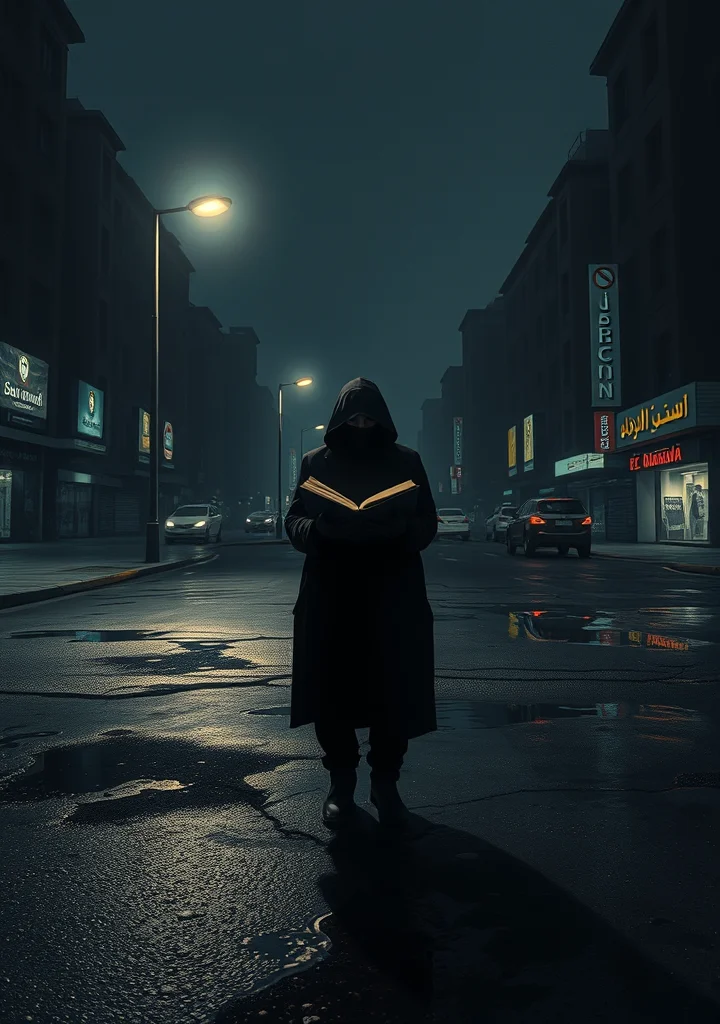
Coal dust clings to the breath of the Nottinghamshire mining valleys, a perpetual twilight mirroring the stifled passions within the Morel household. Here, a suffocating love blooms between Paul Morel and his mother, a possessive tendril winding around his soul, choking the life from every nascent desire. The narrative unfolds like a slow bleed, steeped in the damp chill of domesticity and the brutal rhythms of the colliery. Each encounter, each stolen glance, is shadowed by the weight of inherited sorrow and the suffocating proximity of a mother's devotion. Lovers come and go – Miriam, ethereal and unsettling, and Clara, opulent and tragically wounded – but none can truly cleave Paul from the suffocating orbit of his familial grief. The landscape itself is a character, a bleak expanse of heather and scarred earth reflecting the raw, untamed instincts warring within him. It’s a world where tenderness is laced with desperation, and every act of affection carries the taste of ash and the premonition of loss. A creeping despair permeates the prose, a sense of inevitable decay clinging to the very foundations of the Morel home, as Paul spirals toward a reckoning with the monstrous, consuming love that defines him. The air hangs heavy with the unspoken, the unfulfilled, and the quiet, agonizing erosion of hope.
Copyright: Public Domain
This license allows anyone to use your story for any purpose, including printing, selling, or adapting it into a film freely.
This license allows anyone to use your story for any purpose, including printing, selling, or adapting it into a film freely.
Recommended for you