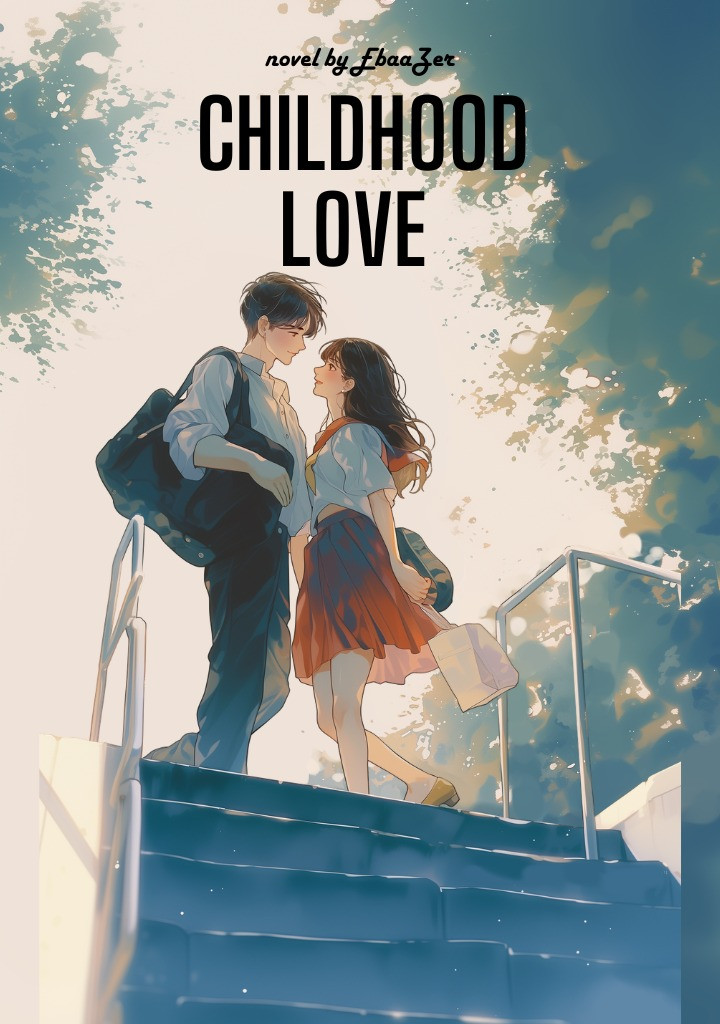

childhood love
  • 150
  • 4
  • 9
  • Read 150
  • 4
  • Part 9
Completed, First published Apr 28, 2026

Elias Thorne is a man built on order. A successful lawyer and system architect, he has spent years constructing a life of logic and stability, leaving the shadows of his youth behind. But the past is a ghost that doesn’t know how to stay dead. It starts with a grainy image and a name whispered from the dark: Seraphina Rossi. When his childhood sweetheart resurfaces, she isn't the girl from the sun-drenched meadows they once shared. She is a woman entangled in a lethal web of gang violence, debt, and betrayal. Driven by a "golden rule" of careful planning but fueled by an uncontrollable heart, Elias is pulled into a dangerous game where the law offers no protection. As he ventures into the city's grimy underbelly, Elias must sacrifice everything he has built. His career, his safety, and his relationship with Clara—the woman who represents his stable present—are all at stake. From blood-stained apartments to rain-slicked warehouses, Elias discovers that saving Sera might mean losing himself. In a world where every choice has a price, Elias must decide: How much is a memory worth? And can you truly protect someone when you are the one playing with fire?
Copyright: All Rights Reserved
No person is allowed to use, redistribute, or modify your work in any form without your explicit permission.
Recommended for you
38 Part
A shadowed inheritance. The scent of magnolia and decay clings to the Louisiana plantation where Iola Leroy, a woman passing for white, is drawn into a web of concealed histories and simmering resentments. She moves as a phantom through drawing rooms lit with candelabra fire, her own past a carefully constructed illusion. The air thickens with the whispers of those she has left behind—the mother she can barely recall, the stolen childhood, the weight of a lineage fractured by the auction block. But the house itself breathes with a history far older than its owners, a history woven into the very timbers and draped in the Spanish moss that suffocates the grounds. Every chipped porcelain doll, every tarnished silver frame, seems to watch her with vacant, accusing eyes. Iola’s every kindness is met with a chilling politeness that hides a predatory hunger. The narrative unravels like a tapestry frayed by moths—fragments of letters, snatched conversations overheard in darkened hallways, the slow, deliberate reveal of a secret that threatens to consume Iola’s fragile composure. A sense of creeping dread permeates the narrative, born not from overt violence, but from the stifling weight of expectation, the suffocating silence of complicity, and the ever-present fear of exposure. The garden blooms with poisonous beauty, mirroring the delicate lies upon which Iola’s existence is built. The novel is a slow descent into a haunted landscape of the heart, where the boundaries between self and shadow blur, and the price of freedom is measured in stolen breaths and half-truths.
44 Part
The air hangs thick with the scent of rot and damp earth, clinging to the cobblestones of a Manila steeped in shadow. Thirteen years have passed since the fever dream of rebellion cooled, yet the embers of discontent still smolder beneath a veneer of Spanish decree. This is not a tale of open blades and gunpowder, but one of creeping tendrils of corruption, slowly choking the life from a nation’s heart. The protagonist, Simoun, is a phantom born of grief and vengeance, cloaked in the guise of a wealthy jeweler. He moves through the opulent salons and shadowed alleys, a silent architect of a reckoning long deferred. His presence is a subtle erosion, a corrosive elegance that whispers of discontent amongst the privileged, and fuels a desperate hope in the oppressed. The narrative unfurls like a slow poison, revealing the intricate web of deceit woven by those who profit from suffering. Every gilded cage, every forced smile, every whispered confession is another brick in a mausoleum of broken promises. The streets themselves seem to weep with the weight of injustice, and the flickering lamplight casts elongated shadows that dance with the ghosts of those who perished under the yoke of colonial rule. There is a pervasive sense of decay—not merely of physical structures, but of morality, of faith, of the very soul of a people. The scent of jasmine and incense masks the stench of desperation, while the echoes of laughter ring hollow against the backdrop of impending doom. The narrative is a descent into a labyrinth of shadowed motives, where the line between savior and destroyer blurs with each passing chapter, leaving the reader gasping for breath in a suffocating atmosphere of betrayal and simmering rage. This is a story where hope itself is a flickering candle threatened by the suffocating darkness.
90 Part
A creeping dread clings to the shadowed corners of Evelina’s world, a world meticulously observed yet perpetually on the verge of unraveling. The narrative unfolds like a slow poison, tracing the delicate bloom of a young woman navigating a society steeped in brittle politeness and concealed malice. Every stolen glance, every misinterpreted gesture, breeds a suffocating anxiety, mirrored in the claustrophobic interiors of ballrooms and drawing-rooms. A constant, low-humming tension permeates the story—not of overt horror, but of a suffocating fear of exposure, of social ruin, of the precariousness of female dependence. The author doesn’t reveal monsters in darkness, but excavates the predatory instincts lurking *within* the light. Evelina’s own innocence, while presented as virtue, becomes a fragile shield against the predatory gazes of men who orbit her with a calculating hunger. The prose itself is a delicate, almost feverish accounting of minute social anxieties. The reader is drawn into a suffocating awareness of every averted gaze, every stifled sigh, every carefully worded phrase—each a potential snare in a labyrinth of propriety. The story breathes with the stifled air of a gilded cage, where smiles mask calculation, and every act of kindness feels laced with expectation. A creeping sense of claustrophobia settles over the pages as Evelina’s fragile hope is shadowed by the ever-present threat of social catastrophe. It’s a world where the most insidious terrors are born not from monsters, but from the exquisitely refined cruelty of the human heart.