
-
Read 352
-
0
-
Part 25
Completed, First published Mar 02, 2026
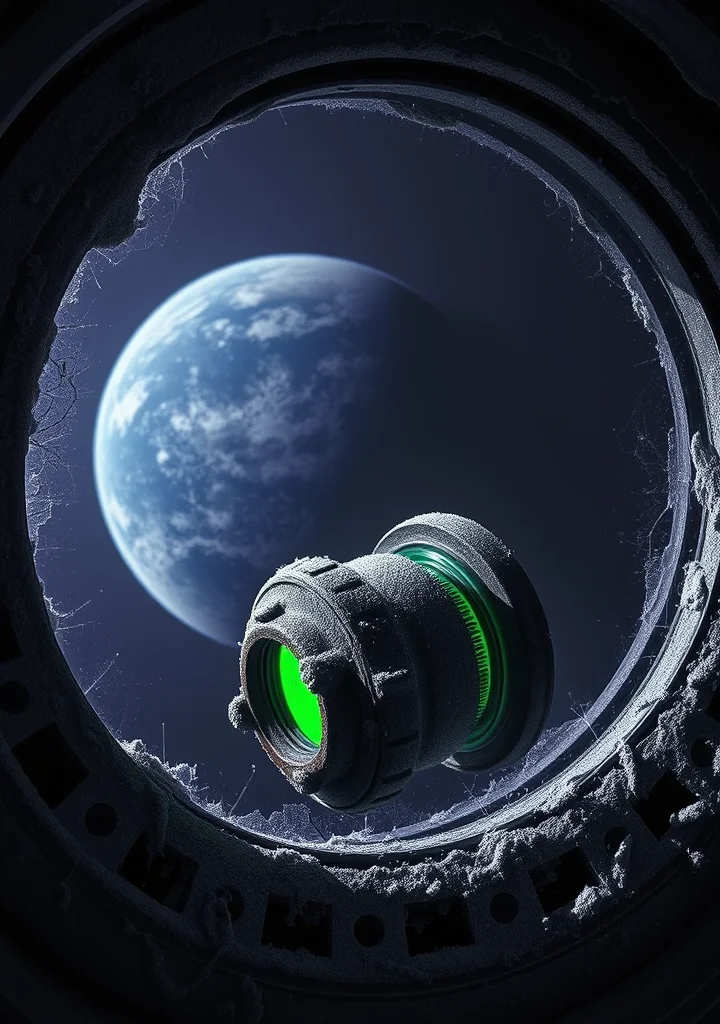
The air smells of ether and cold vacuum, clinging to the velvet lining of observatory domes and the chipped enamel of lunar modules. Verne doesn't offer stars, but the suffocating blackness *between* them, a void pressed against glass, mirroring the isolation of men driven to obsession. This is not adventure, but a slow, deliberate asphyxiation of reason. The narrative clings to the mechanics of impossible flight, detailing not triumph, but the creeping dread of existing beyond the world’s tether. Moonlight fractures across faces gaunt with calculation, illuminating the hollows beneath their eyes. A metallic tang—ozone and gunpowder—mingles with the scent of decay within the cramped, pressurized vessels. The lunar surface isn’t a conquest, but a tomb of polished stone, echoing with the ghostly reverberations of a forgotten science. Every calculation feels like a prayer uttered to a god of emptiness, and the slightest crack in the hull promises not death, but dissolution into that same starless gulf. It’s a story of shadows cast *by* absence, of the fragile bubble of humanity clinging to existence against a cosmic indifference that doesn’t simply ignore, but *absorbs*. The chill isn’t merely from the vacuum, but from the realization that beyond the Earth's embrace, there is only a silence that devours.
Copyright: Public Domain
This license allows anyone to use your story for any purpose, including printing, selling, or adapting it into a film freely.
This license allows anyone to use your story for any purpose, including printing, selling, or adapting it into a film freely.
Recommended for you