
-
Read 301
-
0
-
Part 14
Completed, First published Mar 02, 2026
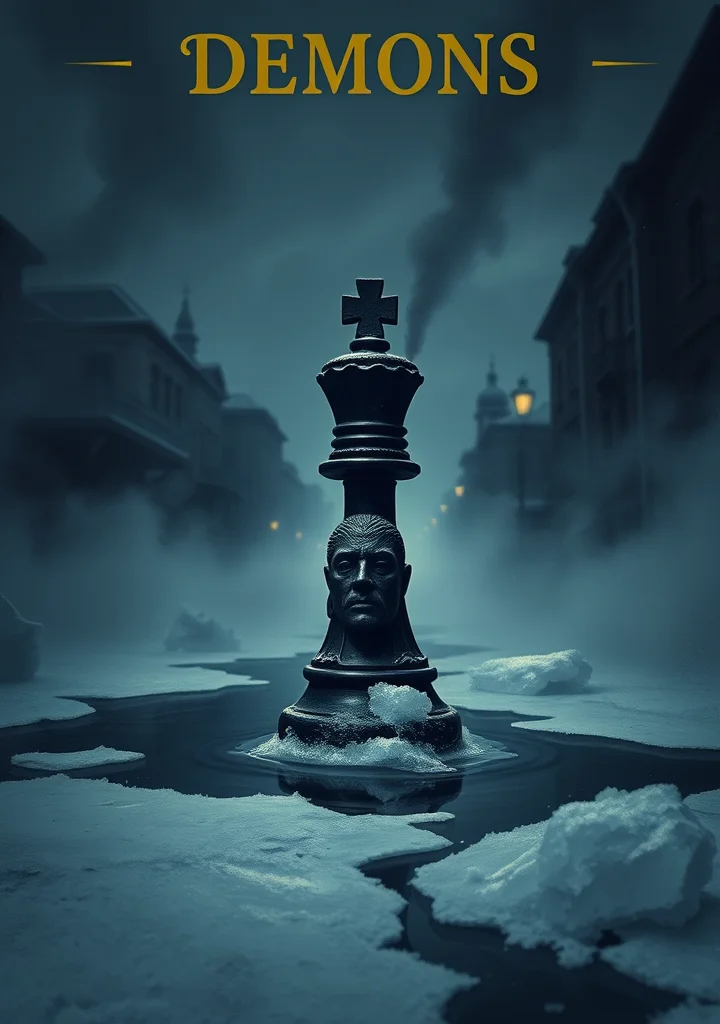
A creeping fog clings to the London streets, mirroring the decay within the soul of Marius, a man thrust back into a world he barely remembers—a world fractured by the Great War and shadowed by a primal, creeping dread. Chesterton weaves a tale not of heroism or triumph, but of endurance, of a being *too* innocent for a world drowning in its own justifications. The narrative unfolds as a fragmented confession, delivered by a man unbound from time’s usual moorings, his perspective both alien and disturbingly familiar.
The city itself becomes a labyrinth of echoing grief, each cobblestone slick with the residue of forgotten horrors. Marius’s return is not a resurrection, but a haunting—he exists as a witness to the brutal arithmetic of modern existence, a silent observer as humanity dismantles its own sanctity. The atmosphere is thick with the scent of coal smoke and something older, something akin to the earth’s slow, indifferent exhale.
He is neither angel nor demon, but a stark, unsettling presence, forcing those he encounters to confront the uncomfortable truth of their own compromised faith. The novel doesn’t offer resolution, but a slow unraveling of certainty, a descent into the quiet desperation of a man who sees too clearly the scaffolding of a broken world—and the chilling beauty of its enduring, terrible logic. It is a study in the endurance of the spirit, but the spirit is not merely human, and its survival is not a comfort, but a persistent, unsettling echo in the ruins.
Copyright: Public Domain
This license allows anyone to use your story for any purpose, including printing, selling, or adapting it into a film freely.
This license allows anyone to use your story for any purpose, including printing, selling, or adapting it into a film freely.
Recommended for you