
-
Read 274
-
0
-
Part 16
Completed, First published Mar 02, 2026
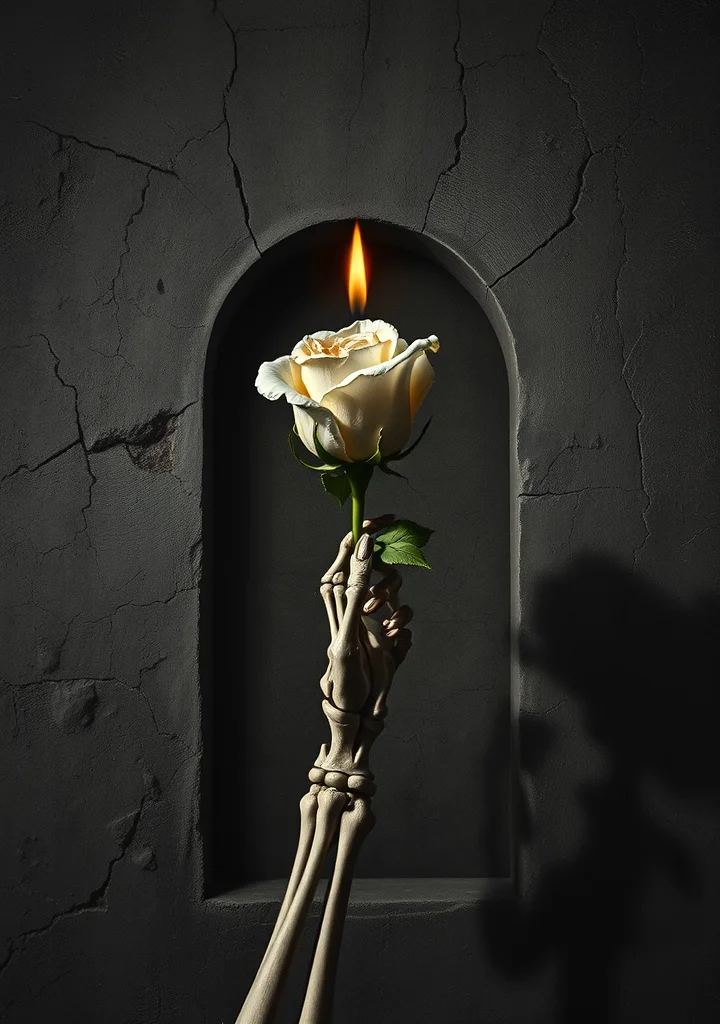
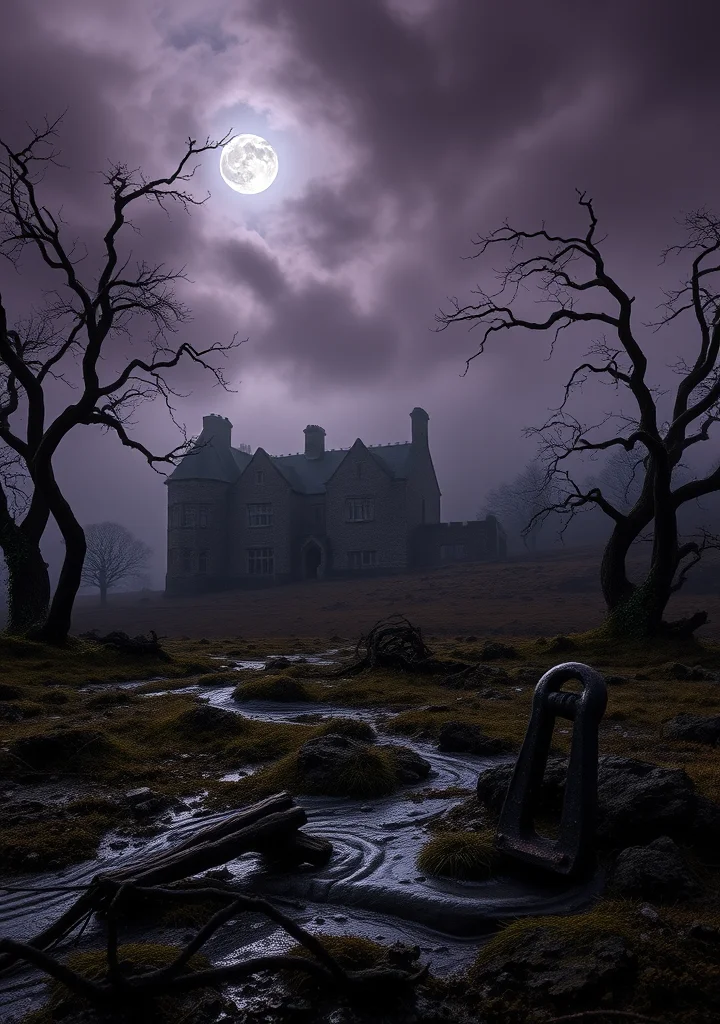
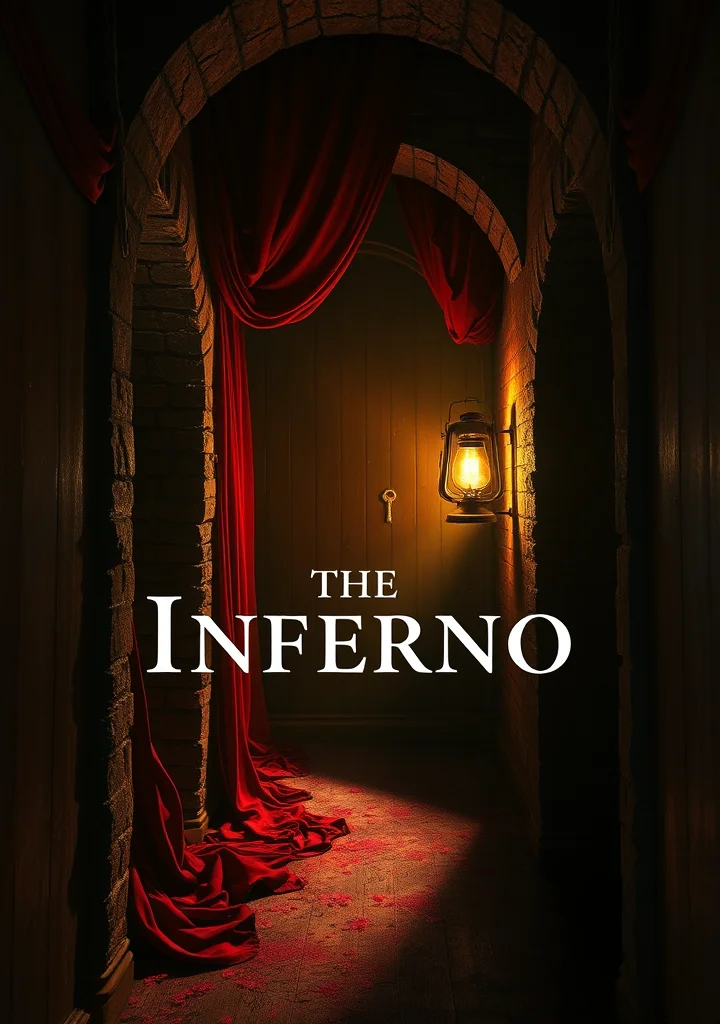
A suffocating heat rises from the pages, not of fire, but of a feverish, decaying passion. Strindberg’s *The Inferno* breathes with the stagnant air of a forgotten cellar, draped in velvet rot and smelling of brine and regret. It is a descent not into hell’s flames, but into the labyrinthine corridors of a single, consuming obsession. The narrative clings to the damp stone of a crumbling estate, mirroring the fracturing psyche of its protagonist. Every glance is a betrayal, every whispered confidence a venomous bloom.
Shadows twist with the shapes of unspoken desires, and the suffocating weight of Stockholm’s winter presses down on a narrative woven from jealousy and the smolder of artistic ruin. The prose itself is a corrosive acid, eating away at propriety, leaving only raw nerve endings exposed. A suffocating claustrophobia builds with each stolen moment, each accusation, each meticulously crafted betrayal. It is a world where every breath is laced with arsenic, where the lovers’ embrace is a slow, agonizing strangulation, and the very air seems to weep with the weight of unfulfilled ambition. The echoes of madness reverberate through gilded cages, and the scent of lilies mingles with the metallic tang of blood, staining the ornate wallpaper with the crimson stain of a soul’s unraveling. The narrative is not merely read; it is *inhabited*, a parasitic growth within the reader’s own heart.
Copyright: Public Domain
This license allows anyone to use your story for any purpose, including printing, selling, or adapting it into a film freely.
This license allows anyone to use your story for any purpose, including printing, selling, or adapting it into a film freely.
Recommended for you