
Traffic and Tweets
  • 45
  • 0
  • 6
  • Read 45
  • 0
  • Part 6
Completed, First published May 07, 2026

The narrative traces a world consumed by celebrity obsession and the frenetic energy of online communication. *Traffic and Tweets* opens onto chaotic group chats fixated on pop star Louis Tomlinson, where rapid-fire exchanges devolve into provocative banter. The story follows Louis himself as he navigates fame, employing a secret fan account and strategic social media maneuvers—including a calculated association with Taylor Swift—to maintain control of his public image. These chapters reveal a humorous, cynical undercurrent as characters gossip, flirt, and attempt to feed off the attention of the online world. The sampled chapters suggest a darkly comedic exploration of parasocial relationships and the blurred lines between public and private life.
Copyright: All Rights Reserved
No person is allowed to use, redistribute, or modify your work in any form without your explicit permission.
Recommended for you

48 Part
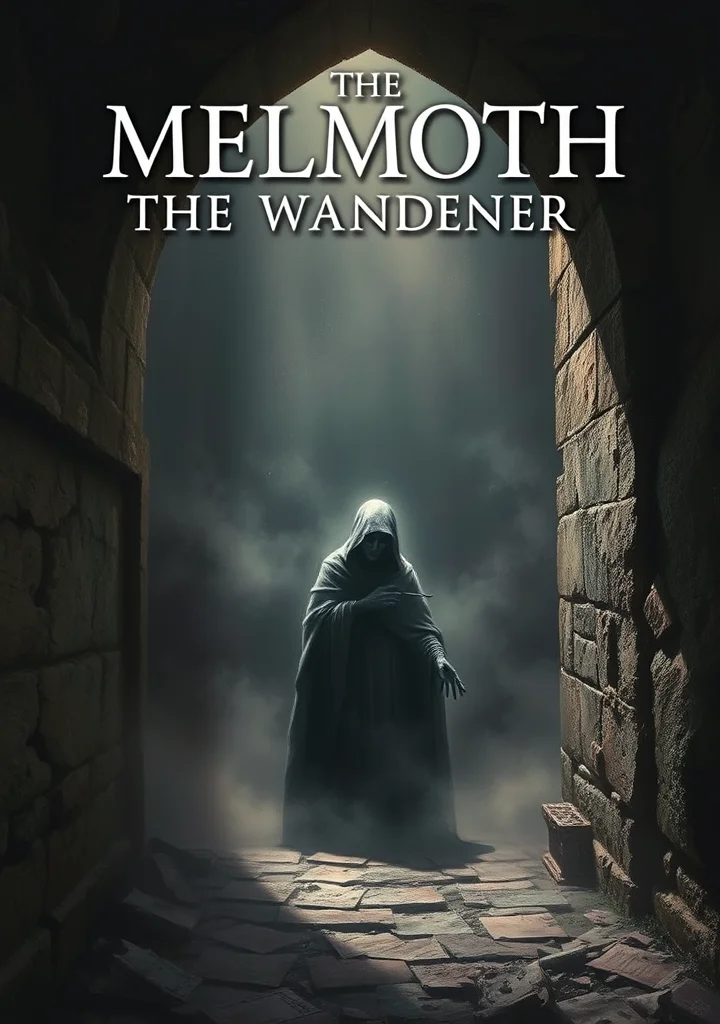
A chill permeates the very pages, a dampness clinging to the ink like graveyard moss. Melmoth’s story unfolds not as a tale *told*, but as a slow, creeping dread unearthed from beneath crumbling stones. Ireland, perpetually shadowed, breathes with a history of pacts made and souls bartered. The Wanderer, cursed with extended life yet shadowed by a demonic compact, drifts through centuries, a spectral witness to the rot within ambition and the hollowness of salvation. Each encounter is a fragment of decay – a Spanish Inquisition’s fervor, a Prussian’s cold calculation, a monastic cell’s suffocating piety – all echoing the same desperate plea for release. The narrative isn’t linear; it fractures, mirroring Melmoth’s fragmented existence. Letters discovered in forgotten corners, confessions scrawled in feverish script, and the fragmented accounts of those he touches weave a tapestry of moral compromise. Sunlight feels like a violation here, replaced by the flickering glow of decaying candles and the oppressive weight of ancestral portraits. Every doorway promises not refuge, but a further descent into the labyrinth of Melmoth’s despair. It is a land where every act of charity breeds a monstrous debt, where faith offers no solace, and where the only escape from the burden of years is to surrender to the darkness willingly. The air itself is thick with the scent of brine and regret, a constant reminder that even in oblivion, Melmoth remains tethered to a world that has long since abandoned its own soul.
35 Part
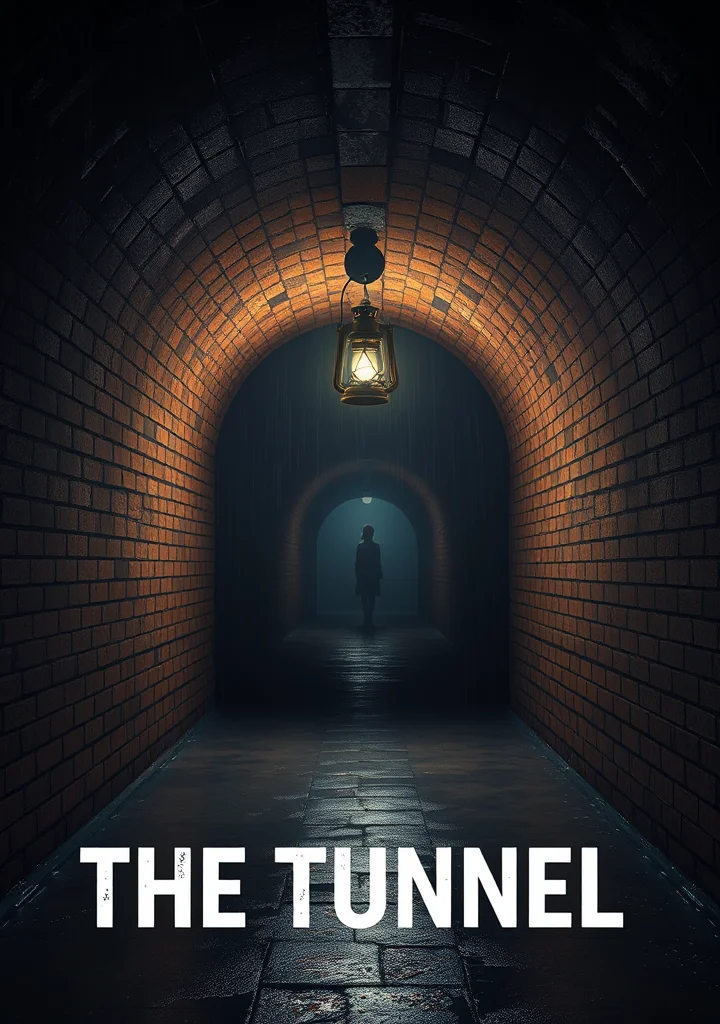
A creeping dampness clings to every page, mirroring the subterranean passage that dominates this fractured narrative. Here, the London streets exhale not into sunlight, but into a labyrinth of echoing brick and shadowed alcoves. The protagonist, adrift in a city both vast and suffocating, finds herself drawn – or perhaps driven – towards a network of tunnels beneath the city’s heart. These aren’t merely physical spaces, but corridors of memory, of unspoken desires, and of a creeping, nameless dread. The narrative unravels like damp thread, pulling at the edges of a life fractured by loss and yearning. A fractured, internal world is rendered through fragmented perceptions. Every encounter, every overheard fragment of conversation, feels weighted with a melancholic resonance. The air is thick with the scent of coal dust and decay, punctuated by the distant rumble of unseen machinery. There is a sense of being watched, of being drawn into a conspiracy of shadows, not by villains, but by the very fabric of the city itself. The tunnel is a metaphor, of course—a descent into the subconscious, a descent into a forgotten self. The prose is less about what is seen, and more about what is *felt* – the cold stone against skin, the suffocating weight of the earth above, the gnawing certainty of something lost, irretrievable, and buried deep within the echoing darkness. A claustrophobic, hypnotic descent into the heart of a woman’s unraveling, and a city’s hidden wounds.
27 Part
A creeping dread clings to these tales, woven from the dampest corners of the human psyche and the echoing silences between worlds. Blackwood doesn’t offer horror in the conventional sense, but a chilling unraveling of perception, where the veil thins and something ancient, something *other*, observes from just beyond the reach of lamplight. John Silence, a blind man gifted – or cursed – with an interior vision, navigates a landscape of shadowed sanatoriums, fog-choked moorlands, and the suffocating weight of inherited trauma. His stories aren’t of monsters, but of resonances—a subtle discordance in the fabric of reality that preys on the vulnerable. Each encounter leaves a residue of unease, a blurring of the boundaries between sanity and dissolution. The atmosphere is one of perpetual twilight, a stifling stillness where every creak of the floorboard, every flicker of gaslight, suggests a presence unseen, yet intimately felt. These aren't tales to be *read*, but to be *absorbed*, like a slow poison seeping into the marrow of your bones. The true terror lies not in what Silence *sees*, but in the realization that what he perceives may already be within you, waiting to bloom in the darkness. Expect not jump scares, but the lingering chill of a forgotten room, a face glimpsed in the periphery, and the unsettling certainty that some doors are best left unopened. The stories breathe with a melancholic beauty, a haunting melody born from the decay of reason and the echoes of a world just beyond our grasp.
8 Part
A suffocating stillness clings to the Gabler estate, a mausoleum of inherited wealth and decaying ambition. Within its shadowed parlors, Hedda, a bride newly returned, breathes a discontent that curdles the air. Not a tale of spectral hauntings, but of a hollowness that consumes from within. The scent of withered blooms and unsent letters permeates every room, mirroring the slow rot of Hedda’s spirit. A suffocating marriage, a stifled legacy—these become the bars of her gilded cage. The narrative unfolds as a slow bleed of frustration, a poisonous flowering of cruelty masked by polite society’s veneer. Each conversation, a brittle exchange of veiled threats and unspoken desires. A creeping dread settles with the dusk, fueled by whispered secrets and the echoes of past tragedies. The estate itself becomes a character, its oppressive architecture mirroring Hedda’s constriction, the scent of decay clinging to her every action. The air thickens with the weight of unfulfilled longing, a perverse obsession with control blooming in the shadows of her discontent. A sense of inevitable collapse permeates the story, not through grand catastrophe, but through the quiet, agonizing unraveling of a woman suffocated by expectation, driven to desperate measures within the suffocating confines of her own making. The ending lingers not as a resolution, but as a chilling residue—a cold, elegant despair that seeps into the very foundations of the house and the reader’s soul.