
Can You Forgive Her?
  • 1.1K
  • 0
  • 80
  • Read 1.1K
  • 0
  • Part 80
Completed, First published Mar 02, 2026

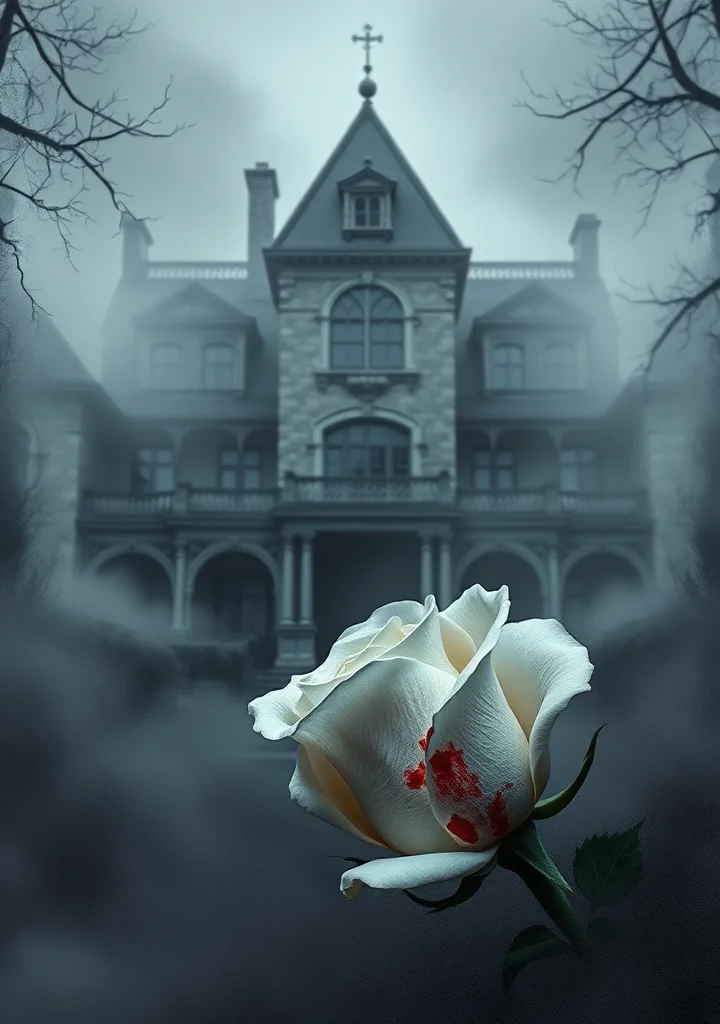
A creeping fog of societal expectation clings to the shadowed halls of the Beresford estate, mirroring the stifled desires within its mistress. The narrative unfolds as a slow bleed of discontent, a delicate unraveling of a marriage bound by propriety yet poisoned by a restless spirit. Mrs. Eleanor Stone’s choice – a choice made not of passion but of pragmatic calculation – casts a pall over every interaction, every drawing-room conversation, every carefully curated smile. The air is thick with unspoken anxieties, the weight of inheritance and the suffocating politeness of the English gentry. A subtle, insidious dread permeates the countryside, not of supernatural horror, but of the insidious erosion of a woman’s will. The story is built upon a foundation of suppressed longing and quiet desperation, each polite refusal, each averted gaze, a brick in a wall slowly closing around a heart starved for something more. It is a world of fading light, where the chill of damp stone and the rustle of dead leaves mirror the decay of the soul. The narrative doesn’t scream, it whispers – a chilling draught through a neglected wing, a glimpse of a haunted face reflected in a darkened window. The true horror isn't a specter, but the suffocating realization that a life lived for duty alone is a living tomb.
Copyright: Public Domain
This license allows anyone to use your story for any purpose, including printing, selling, or adapting it into a film freely.
Recommended for you
24 Part
Dust motes dance in the perpetual twilight of a decaying Italianate palazzo, mirroring the spectral ambitions of the self-styled Emperor Hadrian. A fever-dream of aesthetic obsession, the novel unfolds through the brittle correspondence of a man consumed by a vision of restored glory—a baroque, melancholic Rome resurrected through his own meticulously curated existence. Each letter breathes the scent of incense and decay, of crumbling marble and the stifled sighs of a servitude born of artistic vanity. The air hangs thick with regret, with the weight of unfulfilled desire, and the gnawing loneliness of a man who has built his empire on the shifting sands of delusion. A creeping dread permeates the narrative, not of overt horror, but of a slow, exquisite unraveling. The palazzo itself becomes a character—a suffocating labyrinth of shadowed galleries and forgotten chambers, reflecting the labyrinth of Hadrian’s own mind. He is both architect and prisoner, a gilded cage of his own making. The prose, brittle and mannered, mimics the fragility of the objects he collects—antique reliquaries, faded tapestries, and the hollowed-out faces of those who attend his spectral court. A sense of stifled violence lingers beneath the surface, the unspoken price of beauty, the rot hidden within the gilded frame. The story is not one of grand spectacle, but of insidious decay, a slow, elegant poisoning of the soul. It is a whisper of madness, echoing through the empty corridors of a life spent chasing shadows.
21 Part
A creeping dread clings to the salt-laced shores of Varick Isle, where the crumbling manor of its namesake stands sentinel against a perpetual grey sky. The story unfolds not as a linear descent, but as a slow unraveling—a tapestry of whispered confessions unearthed in brine-soaked journals and the fevered ramblings of those who dared to seek Varick’s secrets. Saltus paints a world steeped in maritime rot and the suffocating weight of ancestral guilt. Each chapter feels like a chipped fragment of a drowned memory, revealing glimpses of a man consumed by his own meticulous, morbid obsession with charting the currents of madness. The narrative breathes with the damp chill of forgotten crypts, where shadows twist into the shapes of Varick’s monstrous creations—not of flesh and bone, but of painstakingly transcribed nightmares. A suffocating claustrophobia permeates the text, mirroring the labyrinthine passages of the manor itself. The air is thick with the scent of decaying parchment and the metallic tang of blood, both real and imagined. The truth, as it surfaces, is less a revelation than a contagion—a spreading stain of corruption that seeps into the reader's mind, blurring the line between the rational and the grotesque. It is a story of inheritance not of wealth, but of decay, a descent into a watery grave where the boundaries of sanity dissolve into the churning depths. One finds oneself not merely reading of Varick’s madness, but *experiencing* it, drawn into its suffocating vortex, haunted by the echoes of its mournful cries carried on the wind.
10 Part
A creeping fog clings to the crumbling tenements of industrial cities, mirroring the stagnation within the minds of their inhabitants. This is not a tale of spectral hauntings, but of a more insidious decay—the erosion of connection, the calcification of habit. Within the labyrinthine streets, shadowed by factory smoke, faces blur, indistinguishable in their compliance. A suffocating sense of isolation permeates each brick edifice, each cobbled lane, a despair born not of malice, but of apathy. The narrative unfolds as a slow, suffocating descent into a world where individual will has been subsumed by the cold logic of the machine. Every transaction, every gesture, is a repetition of the meaningless. The weight of expectation, a leaden shroud, smothers any spark of genuine exchange. Voices, once vibrant with dissent, are reduced to murmurs, swallowed by the echoing chambers of a society built on pretense. A pervasive melancholy settles upon the reader, as they witness the quiet disintegration of shared purpose. The architecture itself seems to mourn, its decaying grandeur reflecting the decay of the civic spirit. A sense of dread permeates the very air—not a sudden, violent horror, but the chilling realization that the rot has taken root, and the edifice of public life is crumbling from within, leaving only hollow shells of expectation and regret. The silence is the loudest terror, a testament to the problem’s insidious, irreversible grip.