
Shattered Sway Audition
  • 42
  • 0
  • 20
  • Read 42
  • 0
  • Part 20
Completed, First published May 07, 2026

This novel traces intersecting stories of love, betrayal, and hidden desires. One narrative follows Myriam as she confronts a painful breach of trust, navigating volatile emotions as she grapples with forgiveness. Another thread unfolds as a woman tentatively reveals a secret passion – belly dancing – to a man she cares for, risking vulnerability for acceptance. Meanwhile, the exhilarating world of televised auditions comes alive through a contestant’s journey, complete with hopeful performances and unexpected connections forged via social media. These chapters hint at a complex exploration of intimacy and the courage to pursue personal fulfillment.
Copyright: All Rights Reserved
No person is allowed to use, redistribute, or modify your work in any form without your explicit permission.
Recommended for you

24 Part
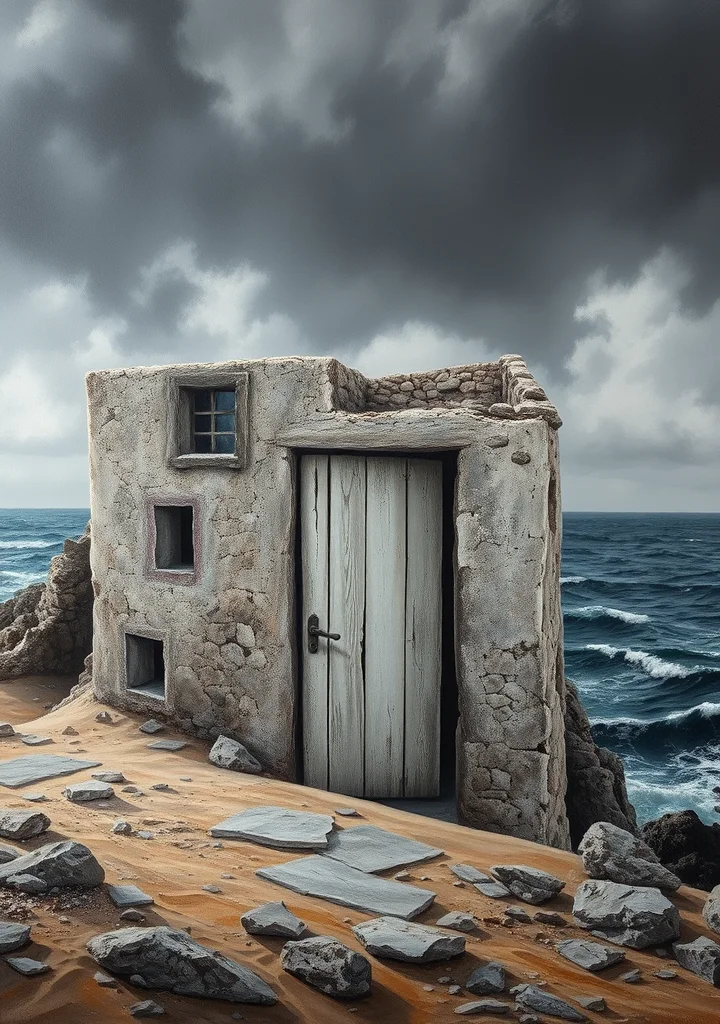
The salt-crusted stones of Sardinia bear witness to a grief older than the granite they’re carved from. Here, where the wind tastes of brine and regret, a woman named Agata is not merely unbound from her marriage, but *unmade* by it. The aftermath isn’t freedom, but a slow, creeping dissolution into the landscape’s own desolate heart. Her house, once a haven, becomes a hollow echo of her former life, each room breathing with the ghost of a husband lost to the sea and a daughter consumed by a feverish, silent grief. Days bleed into nights under a bruised, plum-colored sky, mirroring Agata’s descent into a melancholic trance. The scent of myrtle and decay clings to everything, a suffocating sweetness that masks the bitterness of her solitude. The villagers whisper of curses and ill-omens, claiming the house itself mourns alongside Agata, absorbing her sorrow into its very foundations. But there’s a deeper current beneath the surface - a haunting awareness of the sea's cold embrace, a primal fear that her husband’s fate isn’t merely watery oblivion, but a claiming by something ancient and hungry. It’s a world where the lines between the living and the dead blur with the rising mist, and Agata’s unraveling is less a story of heartbreak than a surrender to the island's shadowed dominion. Every creak of the floorboards, every cry of the seabirds, feels like a warning – a chilling promise that even in letting go, she is irrevocably bound to the ghosts of her past.
47 Part
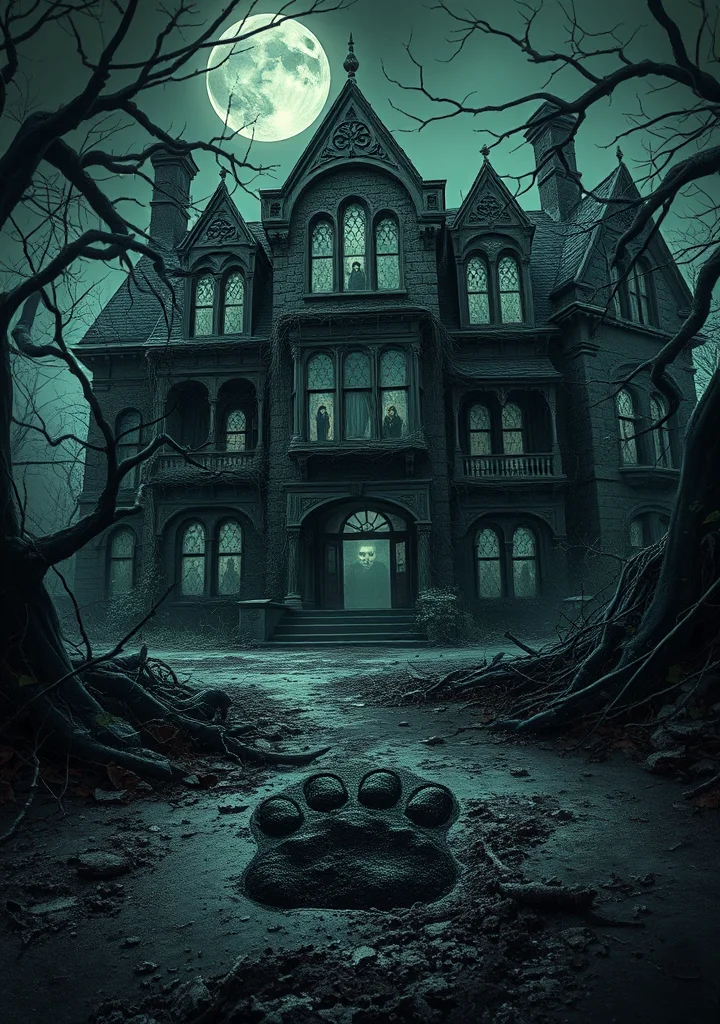
A creeping dread clings to the shadowed halls of Ashworth Manor, where the legacy of Silas Blackwood, a man rumored to have made pacts with something ancient and hungry, festers in the very stones. The air hangs thick with the scent of decay and forgotten sin, mirroring the rot within the Blackwood family itself. A suffocating inheritance binds young Arthur to a lineage steeped in whispered accusations of devilry, and the manor’s sprawling, overgrown grounds seem to pulse with a life both alluring and menacing. Every antique mirror reflects not faces, but fleeting glimpses of something *other*, and the relentless drumming of rain against the leaded windows feels less like weather and more like a desperate plea for release. The novel unravels with a slow, agonizing unraveling of sanity, the narrative choked by claustrophobic interiors and the oppressive weight of a past that refuses to stay buried. A creeping paranoia descends, blurring the line between the living and the dead, as Arthur discovers his inheritance is not merely land and title, but a monstrous legacy etched into his very blood. The narrative unfolds like a fever dream, punctuated by stolen glances at shadowed figures, the scent of damp earth clinging to every breath, and a chilling sense that something malevolent stalks the corridors, always just beyond the periphery of vision. A suffocating dread permeates every page, where the true horror lies not in what is seen, but in what is *felt* - the suffocating presence of a darkness that has waited centuries to claim its due.
169 Part
The air hangs thick with woodsmoke and the scent of damp earth, a perpetual twilight clinging to the fringes of England’s last wild spaces. Lavengro unfolds not as a story *told*, but as a half-remembered dream wrestled from the mire of memory, a descent into the shadowed world of the Romani. It breathes with the rhythm of the road, the crackle of fires under star-strewn skies, the rasp of rough-spun cloth against skin. This is a narrative of stolen moments—a boy adrift, caught between the respectable world and the brutal, beautiful lawlessness of the tinklers and gypsies. But the pull of the wild blood, the lure of a life lived outside the gaze of judgement, is more than mere escape. It’s a reckoning with a past steeped in violence, betrayal, and the haunting echoes of familial curses. The prose itself mimics the landscape – thorny, overgrown, and obscuring as much as it reveals. There’s a pervasive sense of dread, not from specters or ghouls, but from the cold, calculated cruelty of men driven to desperation. The characters are ghosts within their own lives, haunted by debts, grudges, and the insatiable hunger for freedom. Lavengro isn’t simply *about* the road; it *is* the road – a twisting, treacherous path leading toward an oblivion of the spirit, where the boundaries between hunter and hunted blur until only the desperate, gasping heartbeat remains. It smells of horses, of iron, of the coming storm, and the quiet resignation of those who have already lost everything.