
Berk e os Dragões
  • 14
  • 0
  • 4
  • Read 14
  • 0
  • Part 4
Ongoing, First published May 23, 2026

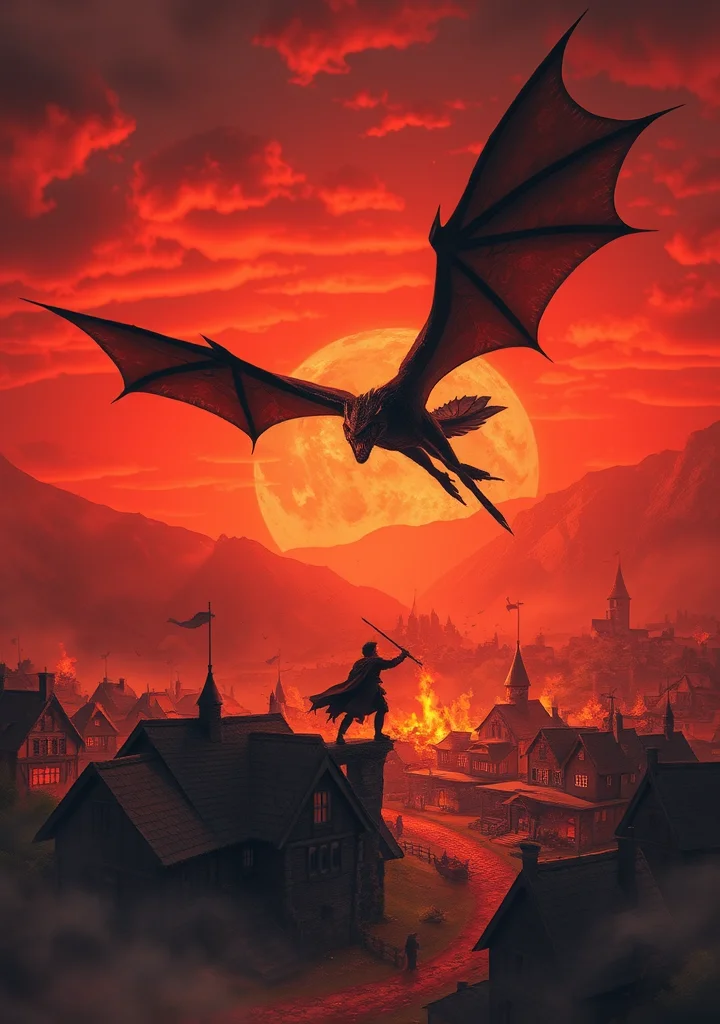
A narrativa traça um mundo sob cerco, onde a aldeia de Berk enfrenta ataques implacáveis de dragões. Em meio ao caos da batalha, o jovem Soluço luta para provar a si mesmo, tentando ajudar na defesa enquanto luta contra a frustração e a decepção. Esses capítulos revelam uma sociedade construída sobre a resiliência, mas também uma onde o fracasso individual pode levar à ostracização. Além do conflito imediato, surge uma filosofia sugerindo que o crescimento é melhor alcançado não através do esforço solitário, mas através do apoio mútuo e da ação compartilhada..
Copyright: All Rights Reserved
No person is allowed to use, redistribute, or modify your work in any form without your explicit permission.
Recommended for you
40 Part
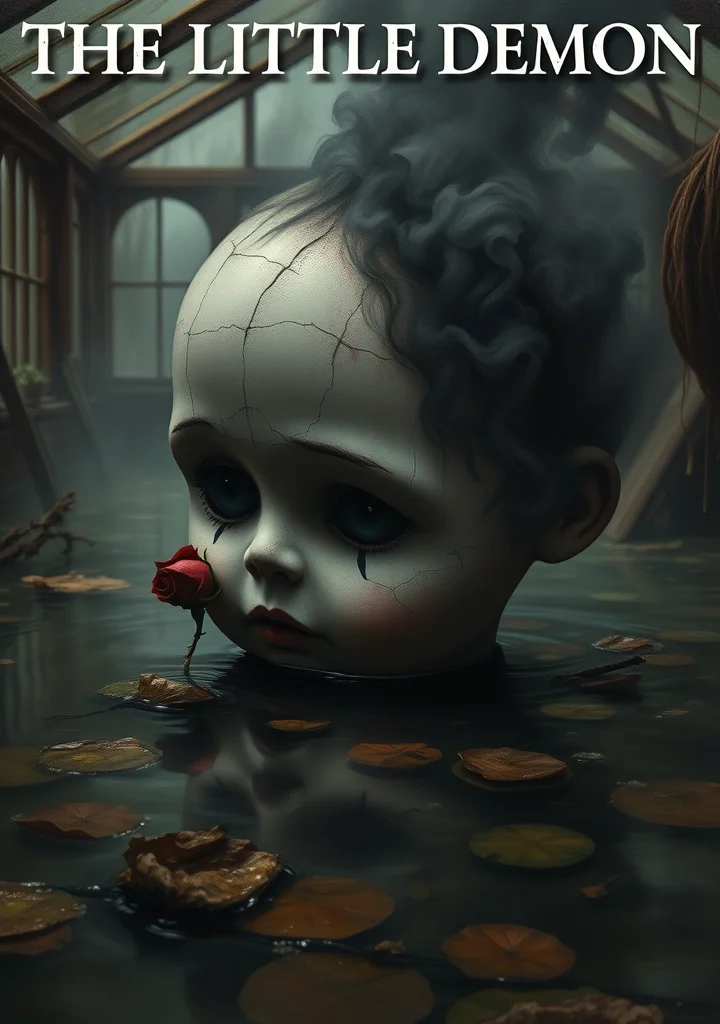
A creeping dread permeates the provincial air of this forgotten corner of Russia. The narrative clings to the suffocating heat of summer, to the stifling interiors of decaying estates, and the feverish imaginings of a boy named Mitya. He is not merely mischievous, but possessed—a vessel for something ancient and malevolent that stirs within the stagnant pools of his family’s decline. The story unfolds through the distorted lens of a local schoolmaster, obsessed with cataloging Mitya’s every transgression, every whispered blasphemy. But it is not Mitya's actions that haunt, but the suffocating weight of his inevitability. The boy’s ‘demonism’ isn't a mere childish outburst; it's a rot blooming from the heart of the land itself. Each chapter descends further into a mire of suspicion, where the boundary between reality and hallucination dissolves in the oppressive humidity. Whispers of pagan rites, the stench of decaying flowers, and the echoing silences of abandoned churches weave a tapestry of decay. The true horror isn't the boy’s monstrous acts, but the realization that the rot is not contained within him—it’s woven into the very fabric of their lives, a slow, insidious possession of the soul. The narrative is suffocated by the scent of dust, the weight of unsaid things, and the suffocating knowledge that something terrible has been unleashed, not upon the world, but *within* it. The atmosphere is one of unbearable, creeping stagnation—a world where even sunlight feels like a suffocating weight.
25 Part
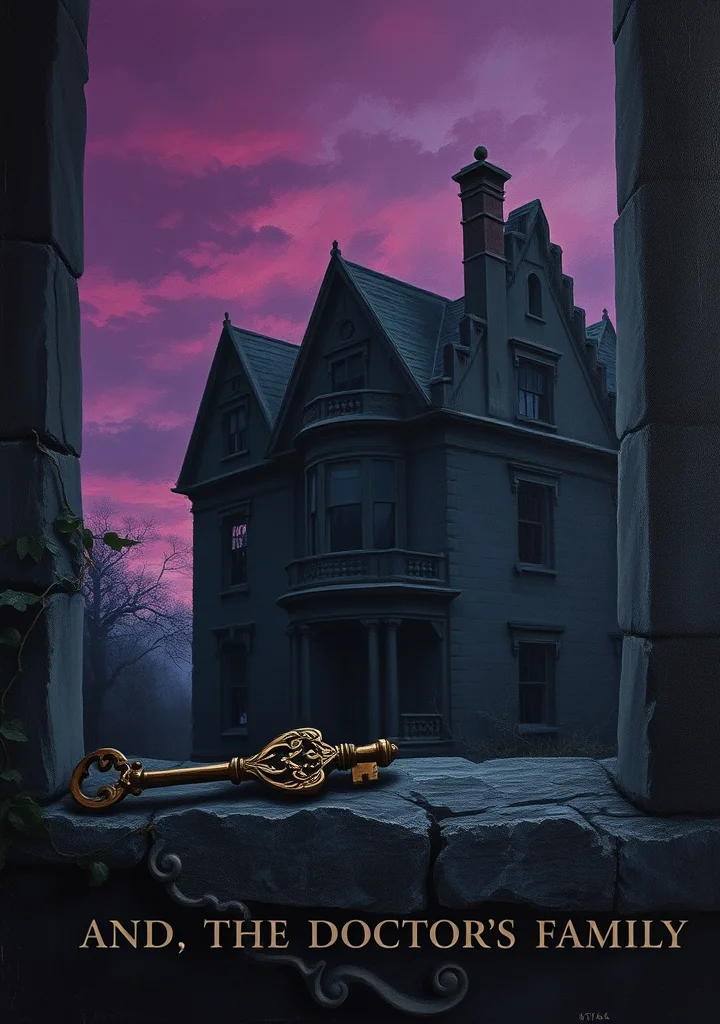
A creeping dread settles over the village of Lindeth, a place steeped in shadow and the scent of decaying grandeur. The Rector, a man haunted by quiet grief and a past he cannot outrun, finds himself inexorably drawn into the orbit of the Doctor’s family – a brittle, decaying lineage clinging to respectability amidst whispers of inherited madness. The house itself, a stone leviathan overlooking the grey expanse of the moor, breathes with a suffocating stillness, mirroring the suffocated lives within. A subtle unraveling begins, a slow bleed of secrets into the damp air. The Doctor's wife, a woman carved from ice and regret, watches her children with a chilling detachment, while their very existence feels predicated on a delicate, unspoken bargain. The Rector’s attempts at benevolent observation become entangled in a web of suppressed resentments, hidden debts, and a history of heartbreak that stains every antique surface. Fog clings to the cobbled streets, mirroring the obscuring influence of family history. The narrative moves not with swift shocks, but with the slow, deliberate chill of a winter frost. Each act of kindness, each offered prayer, feels tainted by the pervasive sense that something unspeakable is being prolonged, not prevented. A suffocating claustrophobia descends as the Rector's sympathy becomes complicity, and the house, the family, and the moor itself conspire to conceal a darkness at the heart of Lindeth’s soul. It is a story of the living dead, bound by obligation and circumstance, where the true horror lies not in what is revealed, but in what remains forever buried within the stone walls and fractured hearts.