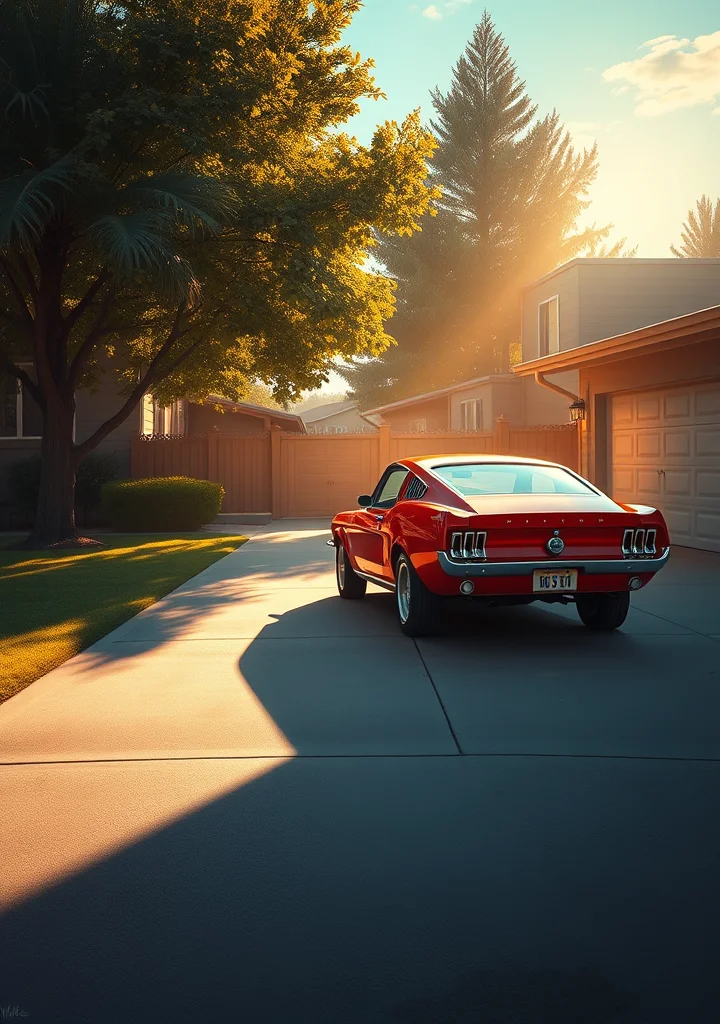

Bloqueado Driveway
  • 5
  • 0
  • 1
  • Read 5
  • 0
  • Part 1
Ongoing, First published Jun 01, 2026

A história se abre para um retorno tenso para Madison e Julia, interrompido pela chegada inesperada de Jacob, um ex-colega de classe enviado para viver com eles. Esses capítulos iniciais traçam o constrangimento da coabitação forçada enquanto a presença de Jacob desperta tensões antigas e atenção indesejada. Uma corrida de supermercado aumenta a dinâmica familiar fervente, revelando trocas de flertes e conflitos entre irmãos subjacentes. Enquanto Madison navega em uma casa repleta de interações passivas e agressivas, até mesmo as relações narrativas tornam-se incômoveis..
Copyright: All Rights Reserved
No person is allowed to use, redistribute, or modify your work in any form without your explicit permission.
Recommended for you

25 Part
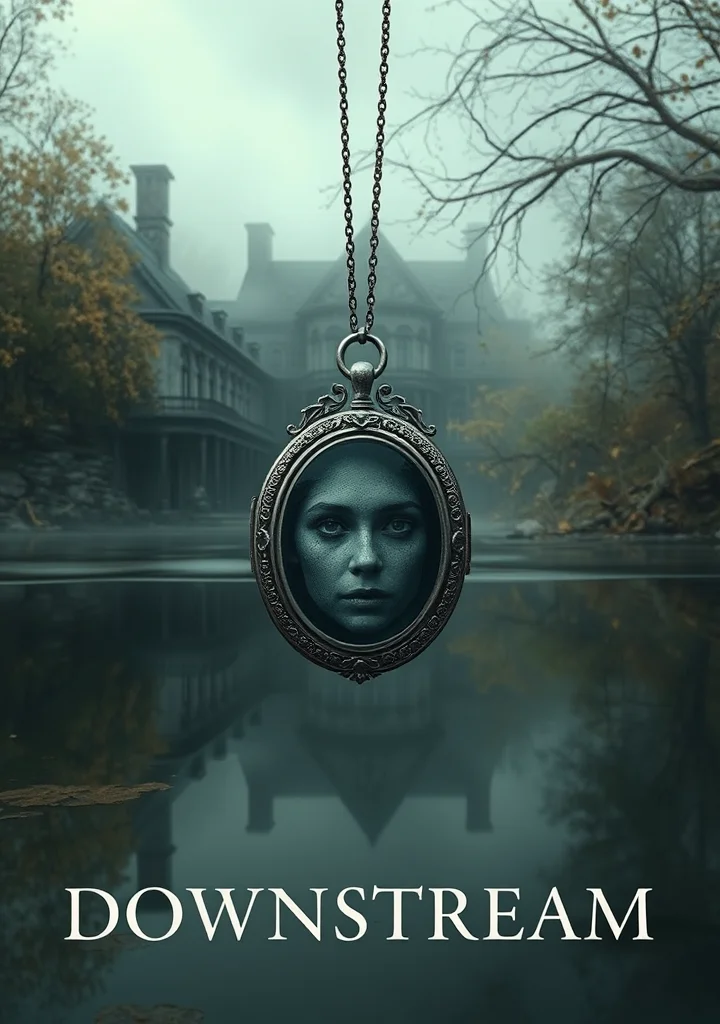
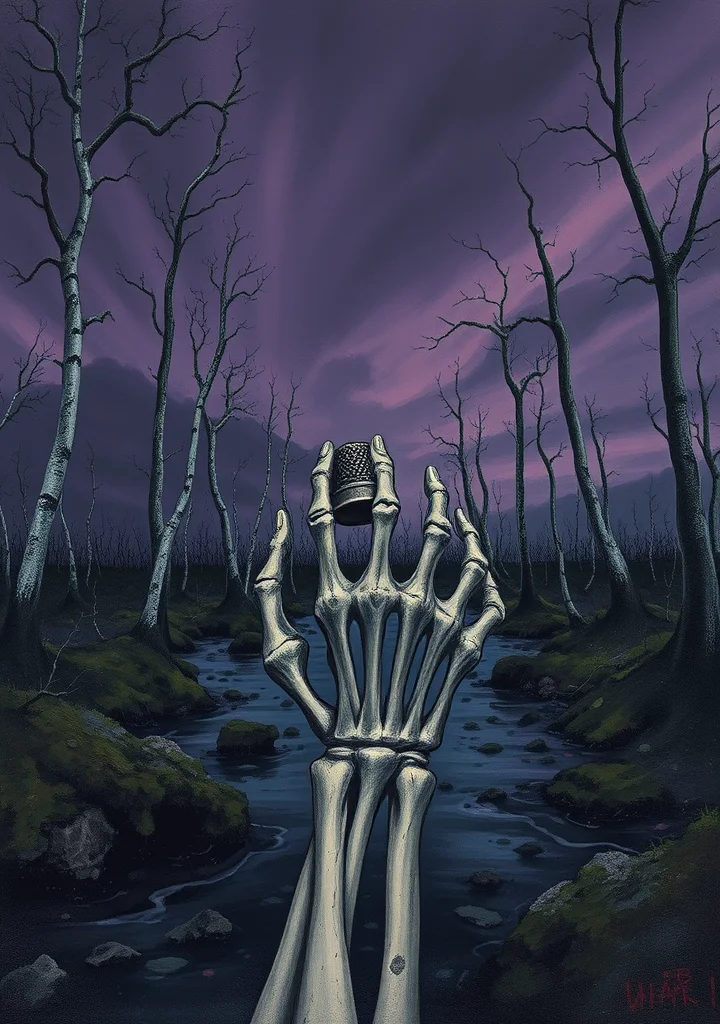
The river breathes in shadow. A slow, glacial unraveling of grief clings to the banks where the village of Älvborg surrenders to the encroaching mire. Old Man Hemlock, they say, drowned his bride in these currents – or perhaps the river *became* her grief, drawing her down into the silt and weeping willows. Now, decades later, a silence heavier than the fog settles with each passing autumn. It isn’t a place for remembering; it’s a place where memory itself dissolves into the water’s cold embrace. The narrative drifts like wreckage, fragments of lives snagged on submerged roots. A daughter returning to settle her father’s affairs finds the house filled not with absence, but with the residue of his obsession. He'd charted the river’s moods, cataloging the debris, the whispers carried on the tide. Each item pulled from the water feels less like discovery and more like an exhumation. The air tastes of decay and damp earth. The scent of bog iron and something older, something clinging to the stones beneath the water. Every reflection is distorted, mirroring not the world above but the dark, churning heart beneath. The further downstream one travels, the less certain the land is, the more insistent the river’s claim. It isn't merely a journey *along* the water, but *into* it – a descent into a past that refuses to stay buried, a current that pulls at the soul until it too is lost to the depths. The house itself seems to exhale the river’s chill, and those who linger too long find themselves shadowed by the same spectral currents that claimed Hemlock’s bride. The river isn't just a setting; it's an entity, a hunger, and it’s waiting to collect what’s left to be taken.
27 Part
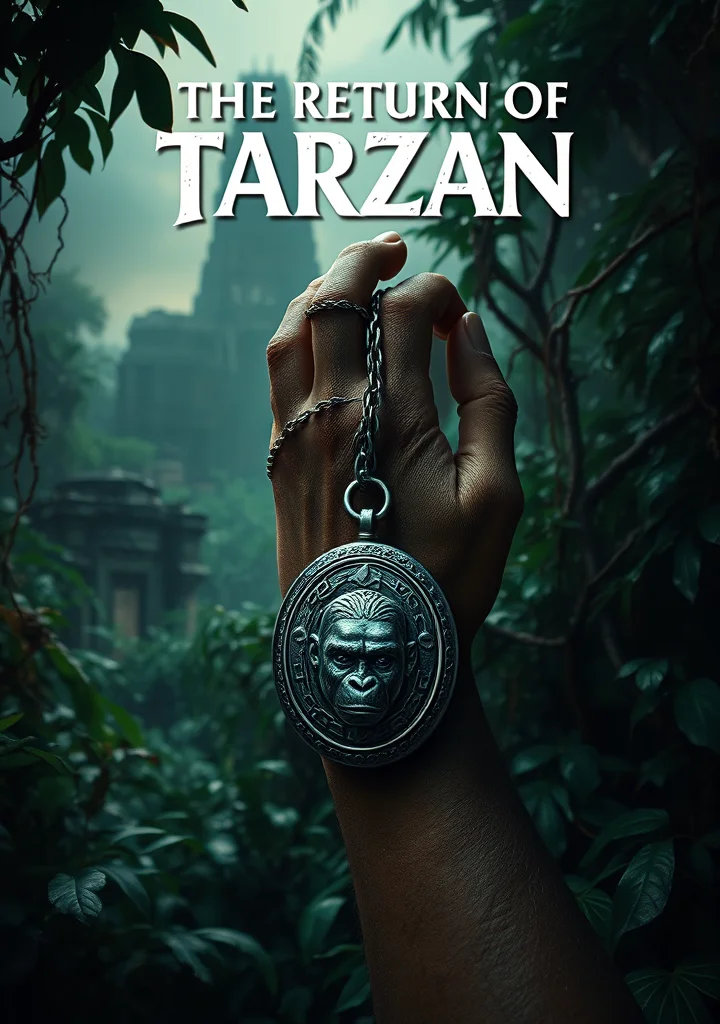
A creeping dread clings to the emerald shadows of the jungle, a suffocating humidity that mirrors the suffocating weight of forgotten histories. Burroughs doesn’t merely return Tarzan to his primal kingdom, he delivers him back to a fractured, decaying Eden haunted by the ghosts of his own making. This is not the triumphant lord of the apes we recall, but a man shadowed by loss, driven by a desperate unraveling of alliances both human and bestial. The air hangs thick with the scent of rot and the whisper of ancient, vengeful gods. The narrative bleeds into a fever dream of betrayal amongst the tribes, where the lines between hunter and hunted blur into a crimson smear across the landscape. A malignant presence – a subtle, insidious corruption – festers within the very heart of the jungle, twisting familiar faces into masks of savage intent. The return isn’t a homecoming, it’s an intrusion, a violation of a balance poised on the precipice of collapse. Sun-drenched clearings give way to suffocating, vine-choked ravines, mirroring the descent into the protagonist’s own fractured psyche. Every rustle of leaves, every guttural cry from the depths of the forest, carries the echo of a past that refuses to remain buried. This is a jungle steeped in the residue of violence, where even the most primal instincts are tainted by a creeping, unspoken despair. It is a return not to paradise, but to a tomb of shattered expectations, where Tarzan must confront not just his enemies, but the hollowed-out shell of the man he once was.
61 Part
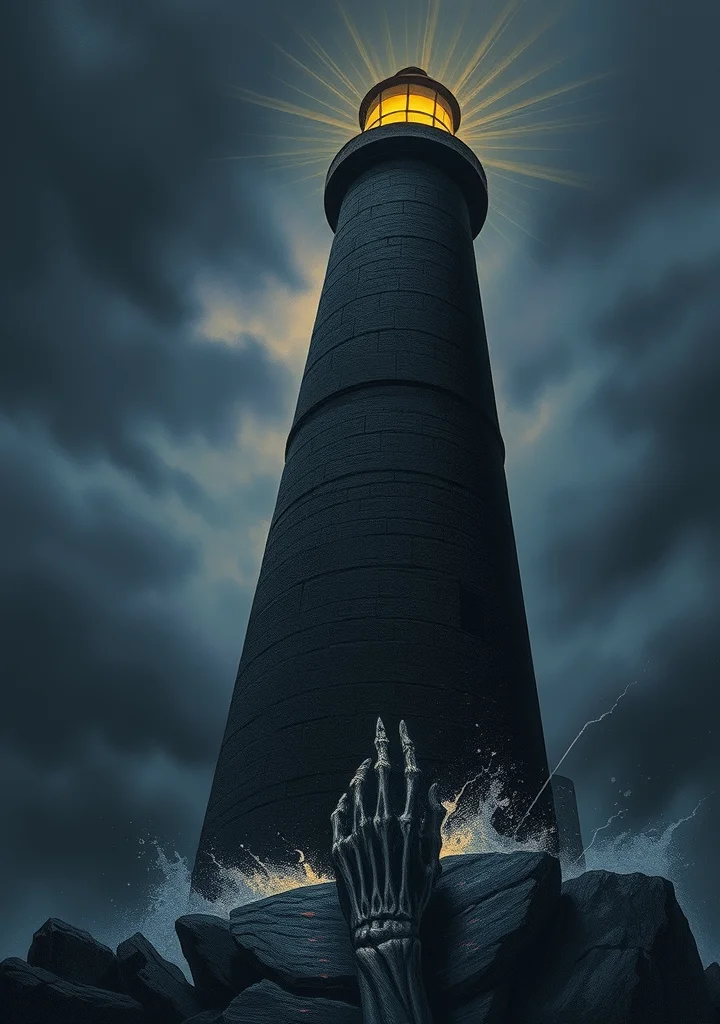
A creeping dread clings to the salt-laced air of the Cornish coast, where the manor of Blackwood stands sentinel against a bruised and perpetual twilight. Old Man Hemlock, keeper of the lighthouse and a soul weathered by decades of isolation, hears it first – a rasping, not of wind or wave, but something *within* the stone of the tower itself. It begins subtly, a disturbance in the rhythm of the beam, a tremor in the ancient masonry, but soon it worms its way into Hemlock’s mind, mirroring the decay of his own fractured memories. The rasp grows with the rising tide, echoing the secrets buried within Blackwood’s shadowed halls – tales of a drowned lineage, of a sea captain’s obsession with a spectral wreck, and of a creature dredged up from the abyss that now haunts the jagged cliffs. Every foghorn blast feels like a summons, every shadow a grasping hand. Hemlock's descent into madness is mirrored by the lighthouse's slow, agonizing surrender to the sea, as if the tower itself is becoming a grave for something ancient and hungry. The air thickens with the scent of brine and rot, and the rasp becomes a voice - a whisper of bone against stone, promising not rescue, but oblivion. A chilling, claustrophobic narrative unfolds where the boundaries between dream and reality, sanity and delirium, blur with the churning grey of the unforgiving sea. It’s a story of a man consumed by the echo of something monstrous, and a lighthouse that remembers a darkness older than time itself.
27 Part
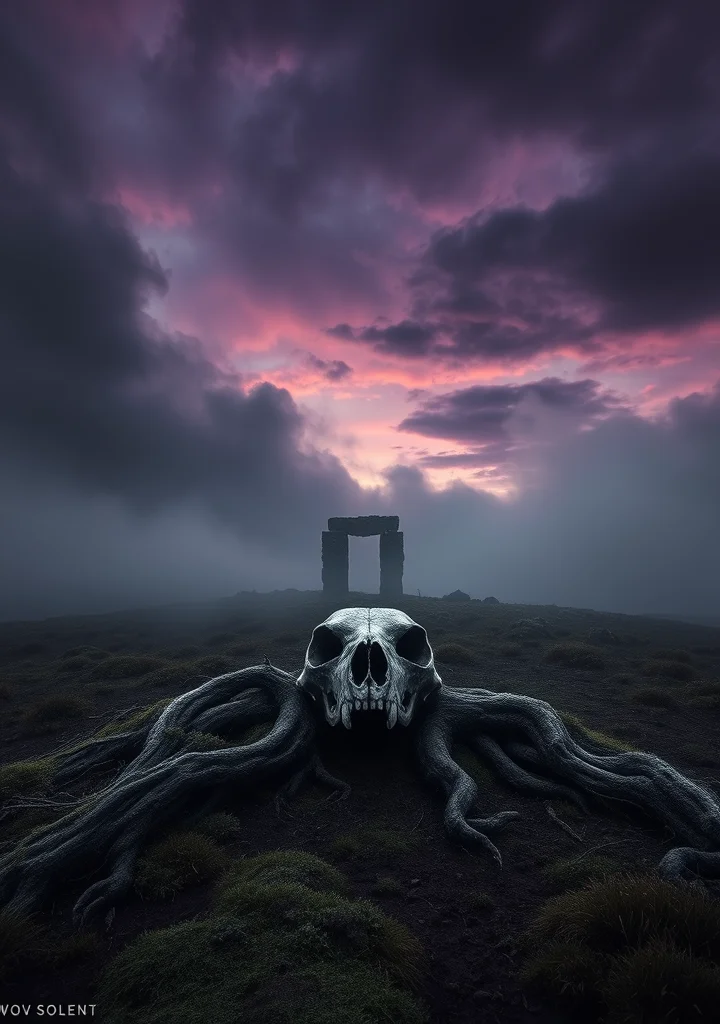
The Welsh borderlands breathe with a chill older than stone, clinging to the shadowed valleys where the Solent family—a lineage steeped in lunar madness and the scent of peat—holds dominion. This is a land where the wolf howls not just in the wilderness, but within the very blood of men, a primal yearning mirrored in the restless tides of the Solent’s inheritance. A web of obsessions—for the land, for the spectral echoes of ancestors, for the forbidden bloom of passion—tightens around the young, impulsive Robert Solent. He is drawn into a vortex of ancestral dreams and the suffocating weight of his mother’s decaying grandeur. The narrative unravels like a fog-wreathed moor, steeped in the claustrophobic intensity of the Solent household. Every room whispers with the past; every glance carries the weight of inherited madness. The air is thick with the scent of decay, the rustle of secrets in long corridors, and the unnerving stillness of a world where the boundary between the living and the dead is porous, worn thin by generations of ritual and grief. Robert’s awakening is not a blossoming, but an exposure—to the raw, unbridled forces of nature, to the suffocating embrace of his mother’s grief, and to a darkness that stirs within him, mirroring the wild, untamed landscapes he is bound to inherit. The story coils inward, suffocating in its own verdant, shadowed depths, a haunting meditation on the inheritance of obsession and the wolf-hunger that gnaws at the heart of the Solent line.
55 Part
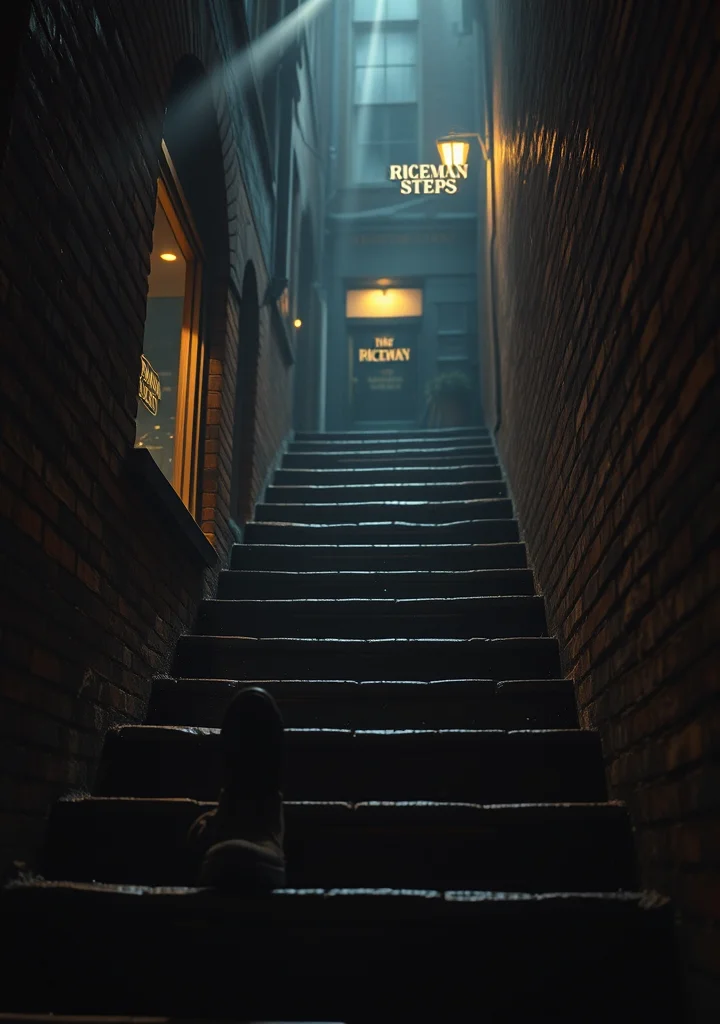
A London of perpetual twilight clings to the aging Mr. Edwin Rycroft, a retired draper suffocating in the dust of inherited wealth and encroaching loneliness. The steps themselves – narrow, brick-worn, descending into a warren of forgotten streets near Cheapside – become a morbid obsession, a physical manifestation of Rycroft’s descent into a melancholic delirium. Each echoing footfall upon those stairs isn’t merely a movement towards a pawnshop, but a surrender to the insidious creep of obsolescence. The narrative breathes with the chill of damp stone, the scent of mildewed ledgers, and the suffocating silence of rooms choked with antique clocks. A spectral quietude hangs over the city, punctuated by the rhythmic tick of time bleeding away Rycroft’s life. The pawnshop’s proprietor, a man shrouded in shadow and rumour, becomes a grim confessor, witnessing the slow disintegration of Rycroft's fortune and spirit. A creeping dread permeates the prose, born not of overt horror, but of the stifling weight of respectability and the gnawing fear of being forgotten. The city itself is a labyrinth of shadows, mirroring Rycroft’s fractured mind. The novel doesn’t offer grand horrors, but a slow erosion of hope, a chilling recognition of the emptiness at the heart of a life spent accumulating possessions, all shadowed by the ominous promise of the steps leading downwards, ever downwards, into the suffocating darkness of oblivion. It is a world built of grey light and the rustle of unseen things, where the past isn’t merely remembered, but actively decays around you.