
Rantai yang Dipinjam
  • 8
  • 0
  • 1
  • Read 8
  • 0
  • Part 1
Ongoing, First published Jun 01, 2026

Novel ini diungkap oleh struktur sosial yang kaku dan utang yang tak terhindarkan. cerita ini menelusuri langkah-langkah putus asa yang diambil oleh Areum dan Jinwoo karena mereka menghadapi konsekuensi brutal untuk mencari pinjaman dari raja dan ratu. sementara itu, Taehyung muda menavigasi hidup yang dibatasi oleh status omega-nya dan ibunya merencanakan untuk pernikahan yang dimotivasi secara politik kepada Pangeran Jeongguk. bab-bab ini mengungkapkan masyarakat di mana masa depan diperdagangkan dan otonomi pribadi ditantang oleh pengaturan yang kuat..
Copyright: All Rights Reserved
No person is allowed to use, redistribute, or modify your work in any form without your explicit permission.
Recommended for you
33 Part
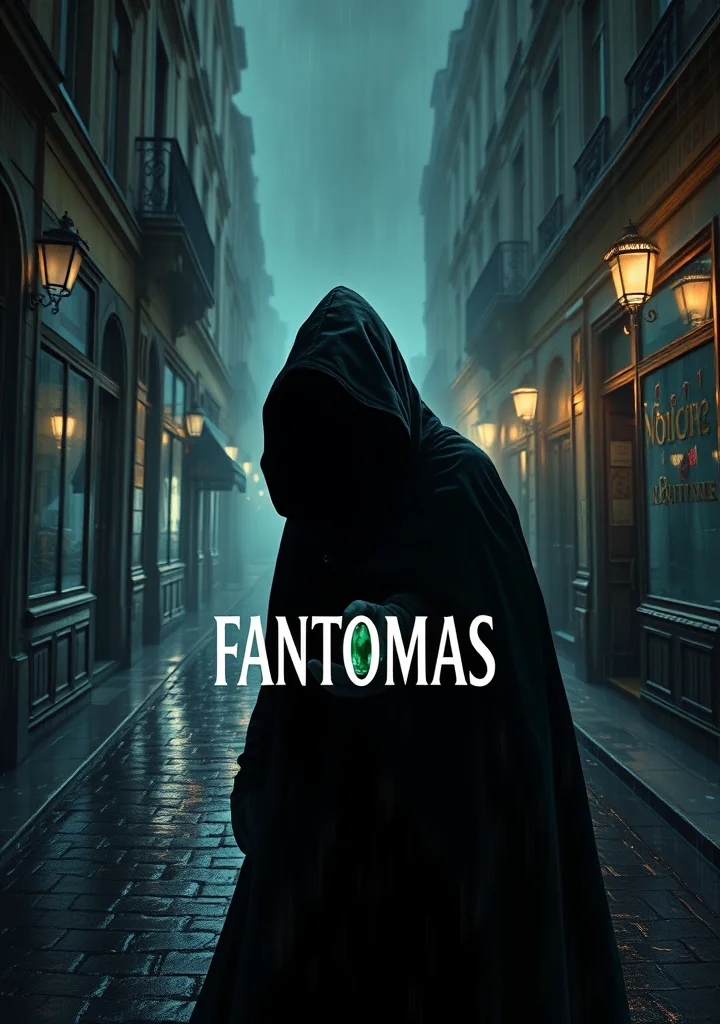
A creeping dread descends from the Parisian rooftops, clinging to the gaslit alleys like a phantom’s breath. Fantômas is not merely a criminal, but a negation—a void carved into the heart of the city, reflecting back its deepest fears. The narrative coils around a relentless pursuit, a dance between law and shadow where the hunter becomes the hunted, and the line between reality and nightmare dissolves with each stolen jewel and whispered accusation. The atmosphere is one of suffocating elegance, a world of opulent salons and labyrinthine sewers, all shadowed by the looming specter of a man who *isn’t* a man. Every act of defiance, every audacious theft, is performed with a theatrical flourish, leaving behind not evidence, but an unsettling echo of impossible physics. The story bleeds into a fever dream of disguises, identities fracturing under the weight of obsession. A relentless, suffocating paranoia permeates every page. The reader is drawn into a vortex of shifting loyalties, where even the most trusted allies harbor the scent of decay. The true horror isn’t what Fantômas *does*, but the unsettling realization that he embodies the chaos lurking beneath the veneer of order, a darkness that threatens to consume the very foundations of civilization. It is a chase not for a criminal, but for the reflection of a city’s soul, and the chase will leave you breathless, haunted by the certainty that Fantômas is always already *everywhere*.
10 Part
The Alpine air chills not just the skin, but the very bone, in Johanna Spyri’s *Cornelli*. This is not a tale of pastoral idyll, but of a fractured inheritance clinging to a precipice of stone and shadow. The story unfolds within a fortress of a farmhouse, carved into a mountainside that seems to bleed into the grey sky. A young woman, adrift from a fractured family, finds herself bound to this lonely place – a ward of its ancient, echoing rooms and the silence that clings to them like a shroud. The weight of generations presses down with every gust of wind, and the surrounding peaks seem to watch with cold, unforgiving eyes. The narrative doesn’t rush, but *seeps* into the reader’s consciousness, mirroring the slow erosion of the mountains themselves. It’s a landscape of muted colours, of perpetual twilight, where even the sun feels distant and spectral. The house itself breathes with a history of loss and isolation, each room a mausoleum of forgotten lives. A creeping sense of dread permeates the narrative, not from any overt horror, but from the suffocating weight of loneliness and the unyielding grip of the mountains. *Cornelli* is a novel of confinement, not merely physical, but within the echoing chambers of a haunted past, where the secrets of the land and the family’s history are buried as deep as the roots of the ancient pines. The atmosphere is one of pervasive melancholy, a slow, beautiful decay that clings to the reader long after the final page is turned.