Casa Azul, Laços Novos
  • 7
  • 0
  • 3
  • Read 7
  • 0
  • Part 3
Ongoing, First published May 23, 2026

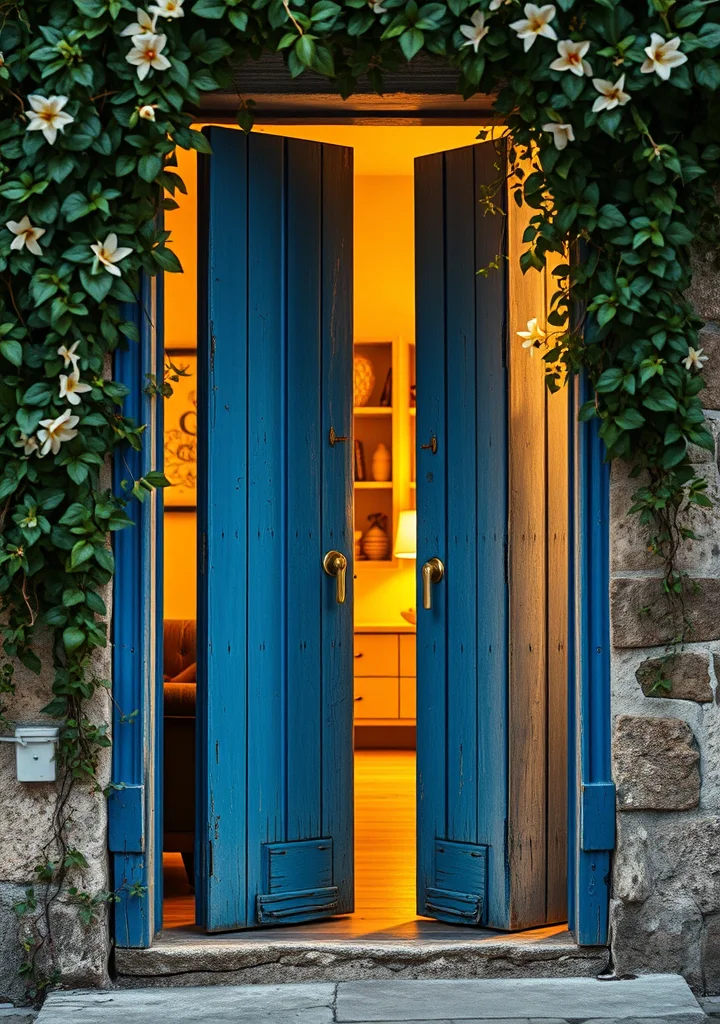
Seul pulsa com vidas e conexões inesperadas. Acompanhamos a família Kim e seu restaurante, e Jungkook, um CEO que cruza caminhos com Taehyung após um ato desesperado. Um encontro improvável floresce em atração. A casa azul de Taehyung, um refúgio de afeto e inocência, atrai Jungkook a um mundo de novas sensibilidades. A narrativa explora laços inesperados, a saúde mental e a busca por um lar. Uma história sobre encontros, acolhimento e a beleza de se reconectar com a própria essência.
Copyright: All Rights Reserved
No person is allowed to use, redistribute, or modify your work in any form without your explicit permission.
Recommended for you
11 Part
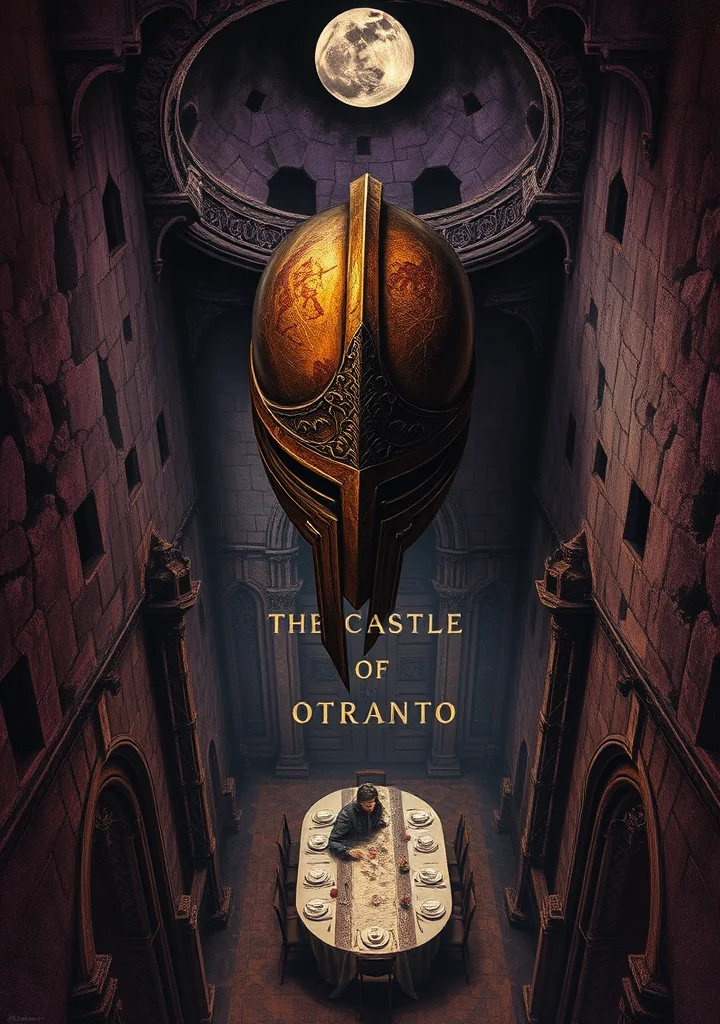
A suffocating dread clings to the stone of Otranto, a castle steeped in ancient prophecy and shadowed by generations of ambition. Within its echoing halls, the weight of a forgotten lineage presses down, manifested in the monstrous size of a helmet descending from unseen heights, crushing a son on his wedding day. The air itself is thick with superstition—portents bleed from decaying tapestries, and the very architecture seems to conspire against the living. A labyrinthine network of secret passages, crumbling vaults, and forgotten chambers breathes with the ghosts of tyrannical ancestors. The narrative unravels amidst flickering candlelight, revealing a lineage cursed by a dark inheritance—a claim to power purchased with blood and sealed by generations of unlawful deeds. The castle is not merely a structure, but a prison woven from despair. Its chambers are haunted by whispers of stolen birthrights, and the scent of decay permeates every stone. A creeping claustrophobia descends as the characters become puppets in a drama dictated by ancient scrolls and the machinations of a relentless, consuming fate. The shadows lengthen with each revelation, revealing a world where the boundaries between the living and the dead blur, and where the foundations of sanity crumble beneath the weight of ancestral sin. The narrative coils tighter, drawing the reader into a suffocating darkness where every breath is shadowed by the promise of violence and the chilling inevitability of the past returning to claim its due.
38 Part
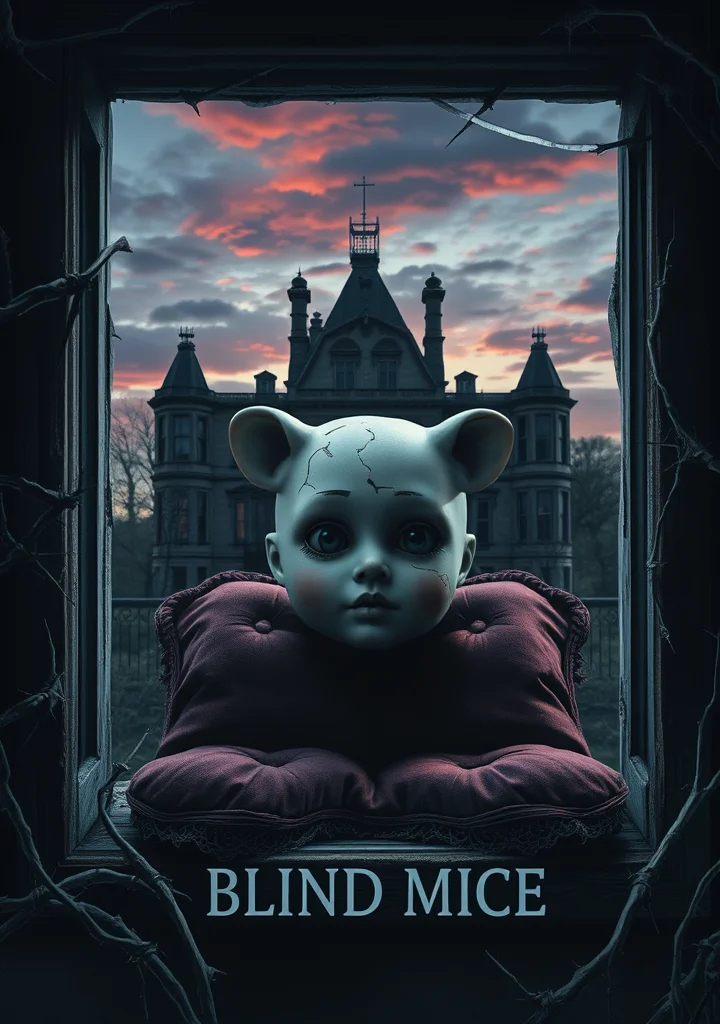
The manor exhales rot and regret. Dust motes dance in the slivers of moonlight piercing the boarded windows of Harrowgate, a place already swallowed by shadow before the first stone was laid. Within, the sisters – Elara, Lyra, and Wren – move as ghosts among the decaying finery, each blind in her own way. Not with eyes unseeing, but with hearts hollowed by a grief that curdles into something venomous, something hungry. They were born of a bargain struck with the land itself, a pact made to ensure their father’s fortune. Now, he’s gone, leaving only whispers of a monstrous inheritance and the echoing click of claws on stone floors. Each sister sees glimpses – fractured reflections in cracked mirrors, the phantom touch of cold hands, the scent of wet earth rising from beneath the floorboards. The manor breathes with the memory of their mother, lost to the labyrinthine gardens years ago, a loss they were told was a fever. But the whispers insist it was something else, something woven into the very fabric of Harrowgate. A darkness that doesn't merely haunt the house, but *is* the house. As the sisters unravel the threads of their father’s secrets, they discover that their blindness isn't merely sorrow, but a shield. For the things that stalk the corridors of Harrowgate are drawn to those who see too much. And the closer they come to the truth, the more they realize that they are not just hunted by what lurks within the manor walls, but by the insidious rot blooming within their own bloodlines. Each shadowed corner holds a fragment of a forgotten ritual, a piece of a monstrous puzzle, and the creeping realization that they, too, are becoming something monstrously akin to the darkness they seek to understand.
57 Part
Dust hangs thick in the Polish air, heavier than the linen worn by the peasants of Lipce. The seasons bleed into one another, marked not by calendar dates but by the ache in backs bent over soil, the slow rot of autumn’s bounty, the brutal thaw of spring revealing the bones of forgotten winters. This is a world where the land itself remembers, steeped in ancient rites and shadowed by superstitions that cling to the thatch roofs and muddy lanes. Every harvest is a pact with the unseen, every birth a fragile defiance of the hunger that gnaws at the edges of existence. But beneath the rhythm of the fields, a darkness stirs. A simmering discontent festers amongst the villagers, born of land disputes, whispered grievances, and the stifling weight of tradition. The air crackles with resentment, thick with the scent of manure and the metallic tang of blood spilled in drunken brawls. The boundaries between the human and the bestial blur in the long nights, fuelled by vodka and the primal urges that grip men driven to desperation. It is a world of brutal beauty, where the line between reverence and savagery is drawn in the crimson streaks of sunset over a wheat field, and where the silence between the thatched roofs whispers of secrets buried deeper than the roots of the ancient oaks. The very soil seems to pulse with a dark, vital force, a testament to the lives broken and rebuilt within its embrace. A slow, creeping dread descends, as the cycles of the seasons mirror the descent into violence that threatens to consume Lipce and all who dwell within its shadowed borders.
61 Part
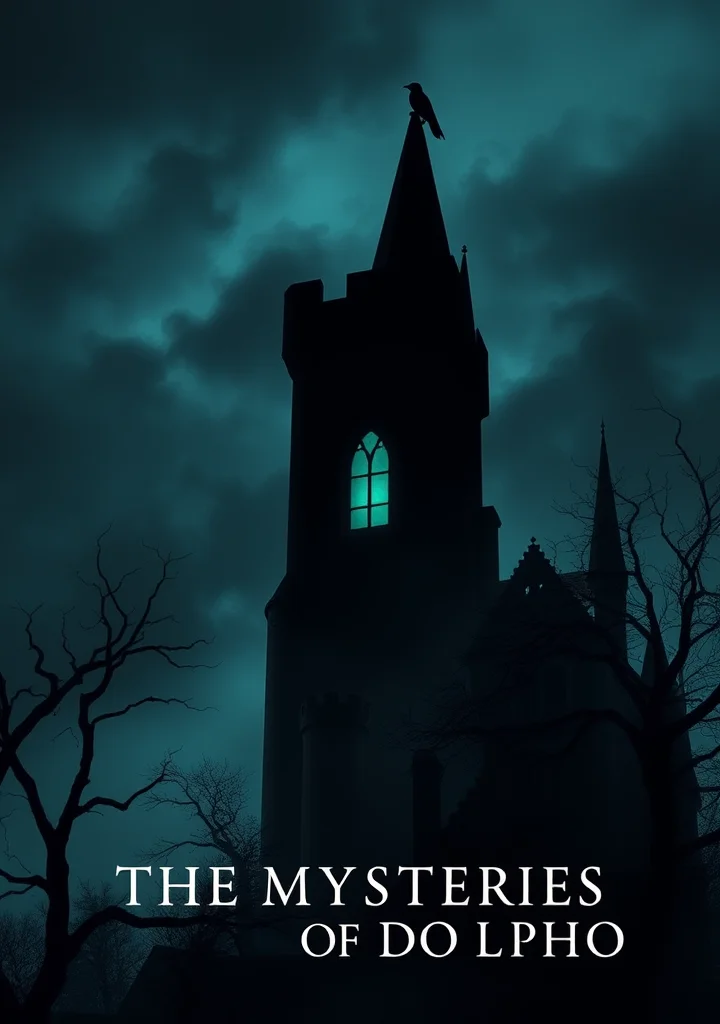
A perpetual twilight clings to the shadowed halls of Udolpho, where innocence is tested by the suffocating weight of ancestral secrets. The narrative unfolds within a labyrinth of crumbling castles and sunless forests, mirroring the fractured psyche of its heroine, Emily St. Aubert. Every echoing corridor whispers of past betrayals, every darkened chamber breathes with the icy presence of unspoken fears. A suffocating dread permeates the Italian landscape, born not of overt horror, but of insidious suspicion and the slow unraveling of sanity. The oppressive grandeur of Udolpho itself becomes a character, its vastness mirroring the boundless anxieties that consume Emily. The air is thick with the scent of decaying grandeur, and the story unfolds with the deliberate pace of a nightmare, punctuated by stolen glances, intercepted letters, and the chilling resonance of distant screams. It is a world where the boundaries between reality and hallucination blur, where the imagination, fueled by isolation and paranoia, conjures terrors far more potent than any visible threat. A creeping sense of helplessness pervades as Emily is drawn deeper into a web of familial intrigue, shadowed by the looming specter of a tyrannical uncle and the veiled machinations of those who would claim her inheritance. The narrative is steeped in a melancholic beauty, a haunting symphony of vulnerability and veiled menace, forever lingering in the half-light between revelation and despair.