
-
Read 778
-
0
-
Part 52
Completed, First published Mar 02, 2026
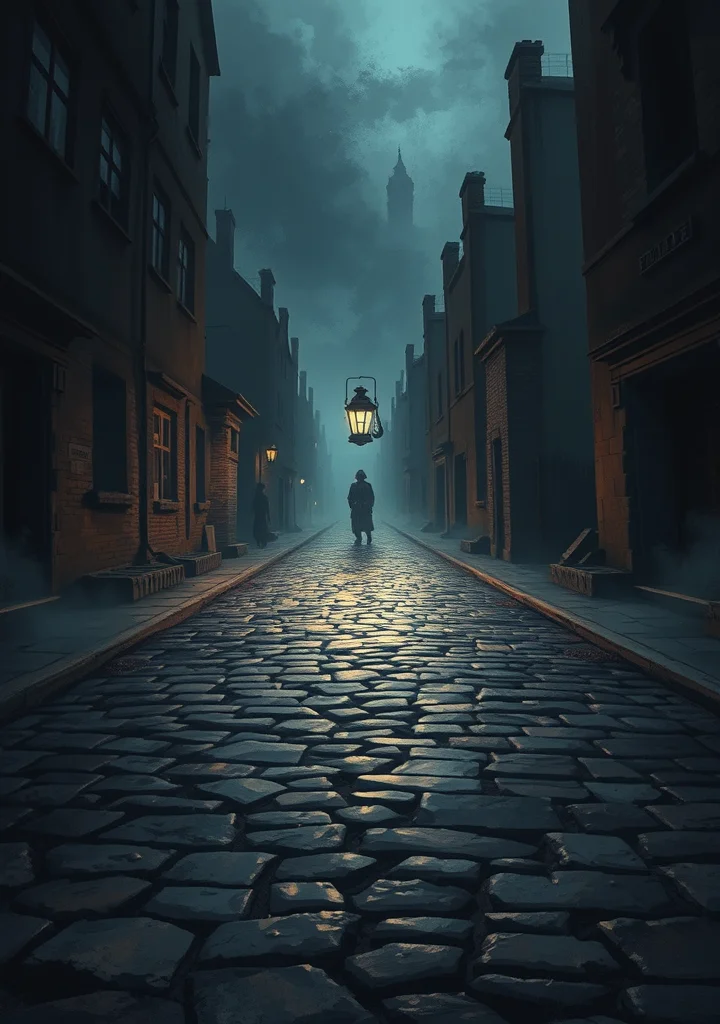
Dust hangs thick in the Polish air, heavier than the linen worn by the peasants of Lipce. The seasons bleed into one another, marked not by calendar dates but by the ache in backs bent over soil, the slow rot of autumn’s bounty, the brutal thaw of spring revealing the bones of forgotten winters. This is a world where the land itself remembers, steeped in ancient rites and shadowed by superstitions that cling to the thatch roofs and muddy lanes. Every harvest is a pact with the unseen, every birth a fragile defiance of the hunger that gnaws at the edges of existence.
But beneath the rhythm of the fields, a darkness stirs. A simmering discontent festers amongst the villagers, born of land disputes, whispered grievances, and the stifling weight of tradition. The air crackles with resentment, thick with the scent of manure and the metallic tang of blood spilled in drunken brawls. The boundaries between the human and the bestial blur in the long nights, fuelled by vodka and the primal urges that grip men driven to desperation.
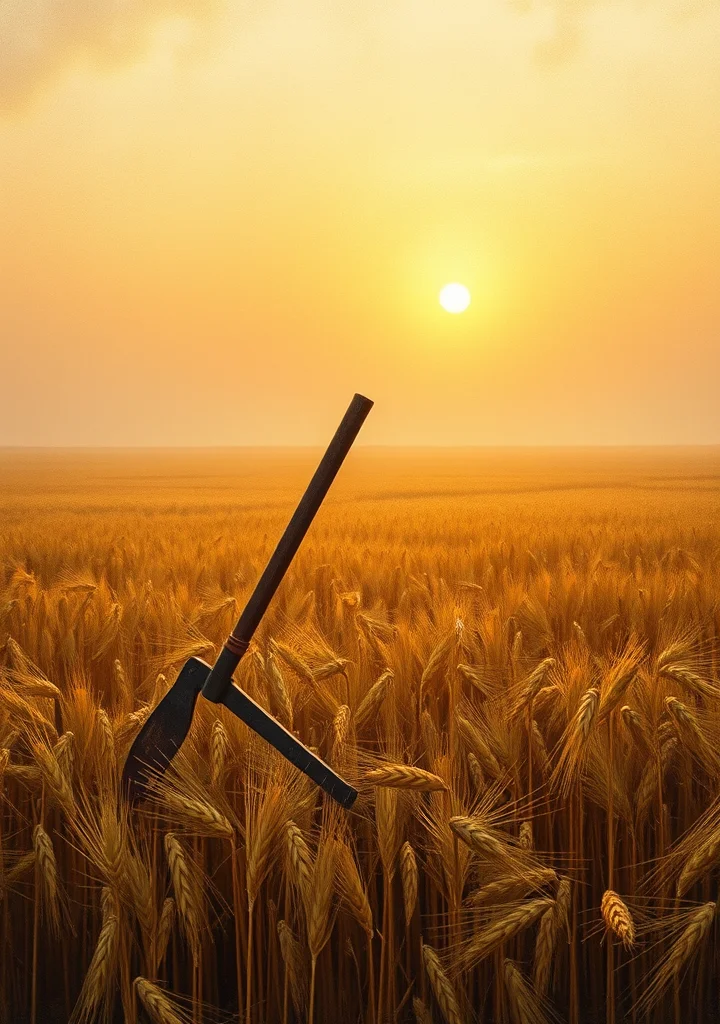
It is a world of brutal beauty, where the line between reverence and savagery is drawn in the crimson streaks of sunset over a wheat field, and where the silence between the thatched roofs whispers of secrets buried deeper than the roots of the ancient oaks. The very soil seems to pulse with a dark, vital force, a testament to the lives broken and rebuilt within its embrace. A slow, creeping dread descends, as the cycles of the seasons mirror the descent into violence that threatens to consume Lipce and all who dwell within its shadowed borders.
Copyright: Public Domain
This license allows anyone to use your story for any purpose, including printing, selling, or adapting it into a film freely.
This license allows anyone to use your story for any purpose, including printing, selling, or adapting it into a film freely.
Chapter List
-
« The Peasants »📖 Continue Reading
-
« Publisher’s Note »
-
« The Peasants »
-
« I »
-
« II »
-
« III »
-
« IV »
-
« V »
-
« VI »
-
« VII »
-
« VIII »
-
« IX »
-
« X »
-
« XI »
-
« XII »
-
« I »
-
« II »
-
« III »
-
« IV »
-
« V »
-
« VI »
-
« VII »
-
« VIII »
-
« IX »
-
« X »
-
« XI »
-
« XII »
-
« XIII »
-
« I »
-
« II »
-
« III »
-
« IV »
-
« V »
-
« VI »
-
« VII »
-
« VIII »
-
« IX »
-
« X »
-
« XI »
-
« I »
-
« II »
-
« III »
-
« IV »
-
« V »
-
« VI »
-
« VII »
-
« VIII »
-
« IX »
-
« X »
-
« XI »
-
« XII »
-
« XIII »
52
-
« The Peasants »
-
« Publisher’s Note »
-
« The Peasants »
-
« I »
-
« II »
-
« III »
-
« IV »
-
« V »
-
« VI »
-
« VII »
-
« VIII »
-
« IX »
-
« X »
-
« XI »
-
« XII »
-
« I »
-
« II »
-
« III »
-
« IV »
-
« V »
-
« VI »
-
« VII »
-
« VIII »
-
« IX »
-
« X »
-
« XI »
-
« XII »
-
« XIII »
-
« I »
-
« II »
-
« III »
-
« IV »
-
« V »
-
« VI »
-
« VII »
-
« VIII »
-
« IX »
-
« X »
-
« XI »
-
« I »
-
« II »
-
« III »
-
« IV »
-
« V »
-
« VI »
-
« VII »
-
« VIII »
-
« IX »
-
« X »
-
« XI »
-
« XII »
-
« XIII »
More like this